Frequently Asked Questions about COVID-19
COVID-19 is a contagious disease caused by the SARS-CoV-2 virus. Most people with COVID-19 have mild symptoms, but some may become severely ill.
Most of the time, COVID-19 feels like a cold or flu. Common symptoms include:
- Fever or chills
- Cough
- Sore throat
- Headache
- Muscle or body aches
- Congestion or runny nose
- Feeling very tired
- Loss of taste or smell
- Nausea or vomiting
- Diarrhea
Someone with these symptoms should get medical help immediately:
- Breathing problems
- Chest pain or pressure
- Confusion
- Trouble waking up or staying awake
- Skin, lips, or nails that appear pale, blue, or gray
This chart lists common symptoms. Testing is the only reliable way to tell the difference between COVID-19 and a cold or flu because the symptoms are very similar.
Over-the-counter COVID-19 tests are available at most drug stores. They are simple and accurate. Some also can test for flu at the same time. A healthcare professional can also test you for COVID-19, flu, and other respiratory viruses.
Get tested soon if you think you might have COVID-19. There are drugs that can treat it, but they must be taken within 5-7 days of when symptoms start.
Anyone can get COVID-19, but the people who are at the most risk of serious illness are:
- Older adults
- People with other medical problems including:
- Cancer
- Heart, lung, kidney or liver disease
- Diabetes (type 1 or type 2)
- Sickle cell disease
- HIV
- Down syndrome
- Dementia
- Very overweight (obese) people
- People in nursing homes or long-term care facilities
- Pregnant people
- Young children, under age 2 years
- Smokers
- People with weakened immune systems from cancer treatment or organ transplantation
Yes. The virus can spread from infected people before they show any signs of infection. People who don't know they are infected may go to work, school, or other public places and spread COVID-19.
Contact a healthcare professional or take a home test right away. If you test positive and you are at risk of getting very sick or dying of COVID-19, a healthcare professional may give you a prescription. Several drugs are available that can lower the chances that you will get very sick, and they can keep you from spreading the disease. But they need to be started within 5-7 days of when symptoms start.
Get medical help immediately if you have trouble breathing, chest pain or pressure, confusion, or other serious symptoms. (See "What does COVID-19 feel like?" above.)
If you have COVID-19, stay home to keep from spreading the disease.
Manage your symptoms with over-the-counter medications. Acetaminophen, naproxen, or ibuprofen can help lower a fever and help with aches and pains. Stay home until your symptoms are improving and you no longer have a fever. Don't go back to your normal routine until you can go 24 hours without taking a pain reliever to lower your fever.
If you have been exposed to someone with COVID-19 but aren't having symptoms, wait at least 5 days before getting tested. The infection may not show up on the test if you take it too soon.
Some people develop health problems that last for weeks, months, or even years following a case of COVID-19. This is known as Long COVID, or post-COVID conditions (PCC).
Long COVID can include a wide range of symptoms. They vary from person to person. A few of them are:
- Feeling very tired
- Coughing
- Breathing problems
- Trouble concentrating, or "brain fog"
- Headaches
- Sleep problems
These symptoms may come and go. They may be minor, or they may interfere with daily life.
Vaccination
All major medical societies recommend staying up to date with COVID-19 vaccines. The vaccines are updated to match the version of the virus that is spreading at the time. Getting vaccinated is the best way to help protect yourself and your family from serious illness due to COVID-19.
COVID-19 vaccines are recommended for:
- Adults age 50 years and older
- Children age 6-23 months
- Children and adults who have chronic health conditions
- Older children who have or live with someone who has a chronic health condition
- Women who are pregnant or breastfeeding
- Residents of long-term care facilities
- Adults and children with impaired immune systems due to disease (e.g., cancer or HIV) or medications they must take to treat a health condition (e.g., for organ transplantation)
- Household members and those in close contact with individuals who are immunocompromised
- Anyone age 6 months and older who wants to be vaccinated against COVID-19
Sources: American Academy of Pediatrics, American Academy of Family Physicians, American College of Obstetricians and Gynecologists, Infectious Diseases Society of America, Centers for Disease Control and Prevention
COVID-19 vaccines are safe and effective for nearly everyone, but they are not recommended for children under age 6 months or people who have had a severe allergic reaction to one.
Yes. The defenses your body builds after an infection don't last very long. Vaccination rebuilds them.
Plus, the virus keeps changing. Vaccines are updated to keep up.
Yes. Even against new variants, the current vaccines lower the chances that you will get very sick, go to the hospital, or die from COVID-19. Vaccine makers update their vaccines to keep up with the changing virus.
Mild side effects are common for people who get a COVID-19 vaccine. These symptoms are a side effect of your body building defenses against the virus. They may include:
- Sore arm
- Swelling or redness where you got vaccinated
- Fever
- Headache
- Muscle aches
- Feeling tired
- Nausea or vomiting
These symptoms usually go away on their own in a few days. Contact a healthcare professional if they don't, or if they get worse a day or more after getting vaccinated.
In rare cases, some people developed swelling of the heart muscle (myocarditis) or the lining around the heart (pericarditis) after receiving an mRNA vaccine. It was more common in young men. But the benefits of the vaccine still outweigh the risks: COVID-19 itself can cause the same kind of swelling. The vaccine caused these side effects less often than COVID-19 did. The swelling also was less serious from the vaccine than from the disease.
All vaccines in the United States go through strict, detailed testing before people can get them.
The US Food and Drug Administration (FDA) carefully reviews all the results from years of testing before approving vaccines. Independent experts at the US Centers for Disease Control and Prevention (CDC) and elsewhere review the evidence before recommending who should get vaccinated. Once vaccines are available, CDC continues to watch for any serious side effects.
Billions of doses of COVID-19 vaccines have been given safely worldwide since they were first introduced in 2020. Serious side effects are very rare and are less serious than the effects of COVID-19. The benefits of the COVID-19 vaccines are far greater than the risks from the disease.
For more information, see How Do We Know If Vaccines Are Safe and Effective?
Yes, studies show COVID-19 vaccination is safe for people who are pregnant, breastfeeding, trying to get pregnant, or might become pregnant.
Obstetricians recommend the vaccine because pregnant patients and their unborn children are more likely to get very sick or die from COVID-19 than people who are not pregnant.
COVID-19 vaccines also give unborn children a head start on protection from COVID-19: mothers who get the vaccine while pregnant pass immunity on to their newborn. Since the vaccines are not approved for children under age 6 months, this inherited immunity helps at a vulnerable time for young children.
Yes, according to multiple studies. Not only are the vaccines safe, healthcare professionals strongly recommend them. People with chronic health conditions are more likely to get very sick or die from COVID-19 than people without these conditions. Vaccines are the best way to prevent the worst effects of COVID-19, especially for people with:
- Cancer
- Heart, lung, kidney, or liver disease
- Diabetes (type 1 or type 2)
- Sickle cell disease
- HIV
- Down syndrome
- Dementia
No, COVID-19 vaccines do not interfere with most prescription and over-the-counter drugs. When prescribed, antibiotics may be taken before or after COVID-19 vaccination.
Talk with a healthcare professional if you have specific questions about medication you are taking.
Although vaccination helps protect against severe disease and related complications including hospitalization and death, it may not be as effective in preventing mild COVID-19 infections.
It typically takes a few weeks for the body to build immunity after vaccination, so it is possible to be infected with the virus that causes COVID-19 before or after vaccination.
Since COVID-19 vaccines do not contain live virus, it is not possible to get the disease from the vaccine.
Updated and reviewed May 2026
Sources: American Academy of Pediatrics, American College of Obstetricians and Gynecologists, Infectious Diseases Society of America, Centers for Disease Control and Prevention, Food and Drug Administration
Related Resources
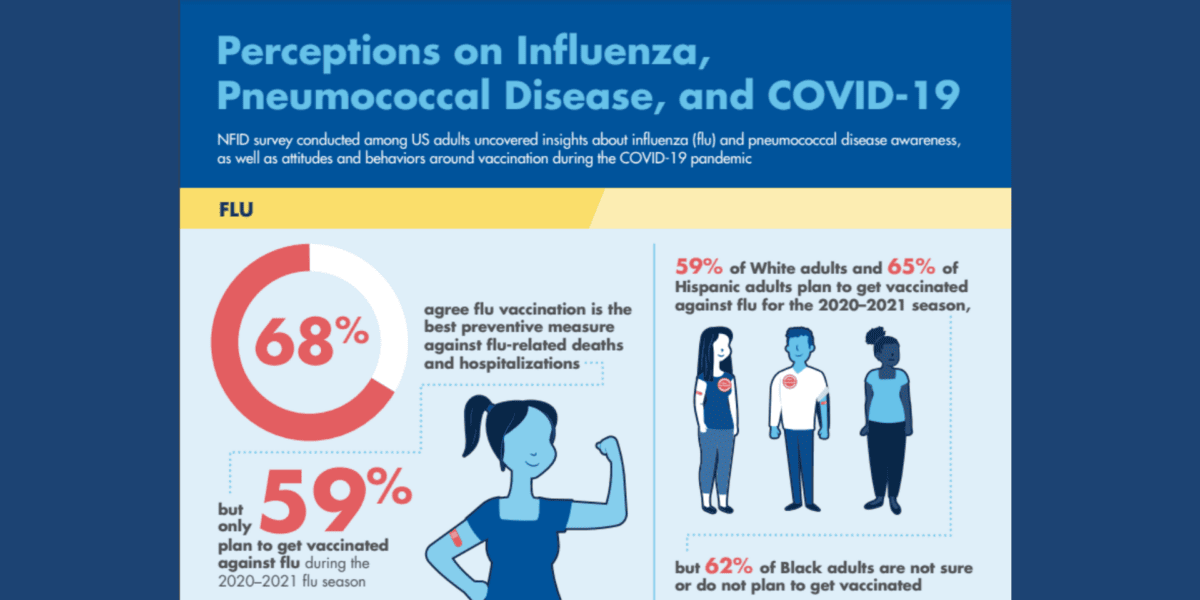
Jacqueline’s Story (COVID-19)
The essential nurse home visitor learns that she does not actually have to lay her healing hands on someone to be essential
Riza’s Story (COVID-19)
Nurse recognizes that due to COVID-19, she must figure out new ways to be there for her clients, through the lens of a phone
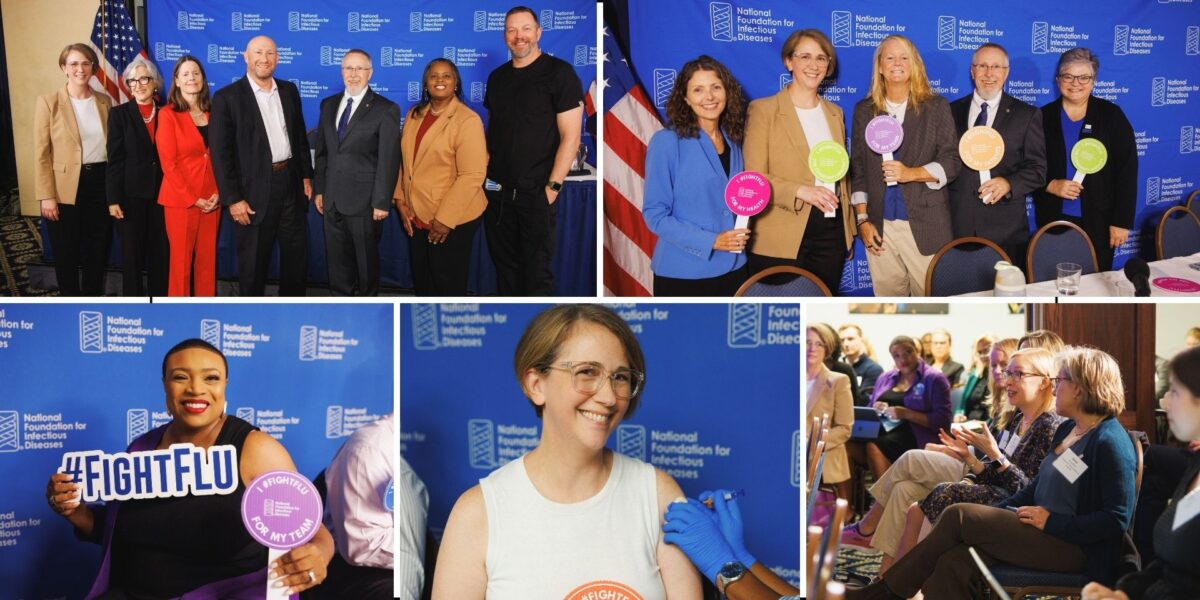
Kate’s Story (COVID-19)
Healthcare professional working in a shelter admits a COVID-19 positive mom with her new baby
- « Previous
- 1
- …
- 10
- 11
- 12
Related Posts