 Measles Collaborative Executive Director Patricia (Patsy) A. Stinchfield, MS, PNP, shares her perspective on the current measles outbreaks across the US, including a new website to help clinicians respond.
A fifth person in Pennsylvania has died of measles in little more than a month. As of October 5, 2026, the Pennsylvania Department of Health(opens in new tab) reports 1,004 cases in 39 of 67 counties. This is nearly a quarter of all US cases in 2026, which total 4,020, according to the Johns Hopkins US measles tracker(opens in new tab). There is much the rest of the country can learn from what Pennsylvania is enduring.
How Fast Can Measles Spread?
First, measles is the most contagious virus known on the planet, and up to 9 of 10 unvaccinated people exposed to the virus will get infected. Each infected person can transmit the virus to 12 to 18 others, so a spiderweb of infection spreads quickly.
The worrisome pace of the outbreak in Pennsylvania reflects just that. In the first quarter of 2026, there were 12 people sick with measles—83% of them young children, nearly all unvaccinated, and just 1 hospitalized—and by the end of March, at least a week had passed with no new cases. Two quarters later, the disease has spread like wildfire across the state, with tragic results: 106 new cases reported in the last week, 194 hospitalizations, two-thirds of cases now in adults, fewer than 1% of those with measles vaccinated, and 5 deaths.
These are numbers not seen in the US in more than 35 years. The lesson is that even one case of measles in a community—or a dozen, as in this situation—is a public health emergency worthy of an intense response to stop the spread. State and local public health departments have done an excellent job bringing pop-up vaccination clinics and home visits to vaccinate thousands of people rapidly. The measles, mumps, and rubella (MMR) vaccine, given as 2 doses at least 28 days apart, is 97% effective and the only way to prevent the disease without the dangers of getting infected. Still, measles’ mission is to find and infect those without immunity.
How Does MMR Vaccination Protect Communities?
The second lesson is that the counties without any reported cases are highly vaccinated communities, with MMR vaccination rates above the 95% threshold needed for community immunity. Vaccination not only protects the individual but also the vulnerable who are unable to be vaccinated, such as infants and those who are pregnant or immunocompromised. When 95% of people in a family, school, county, or state are vaccinated, community immunity forces the measles virus to search elsewhere.
Who Is at Risk for Severe Measles?
The tragedy of the 5 deaths in Pennsylvania, all unvaccinated, highlights the third lesson: measles is not just a simple rash illness of childhood. People of any age can get infected and die of measles (it has been widely reported that the deaths ranged in age from newborns to 40 year olds). This underscores the importance of vaccination before pregnancy. Infants and people with chronic illnesses fare poorly if infected, and even healthy teenagers can develop severe, life-threatening complications. We must cocoon people with cancer undergoing treatment by vaccinating everyone around them.
Why Was the Measles Collaborative Formed?
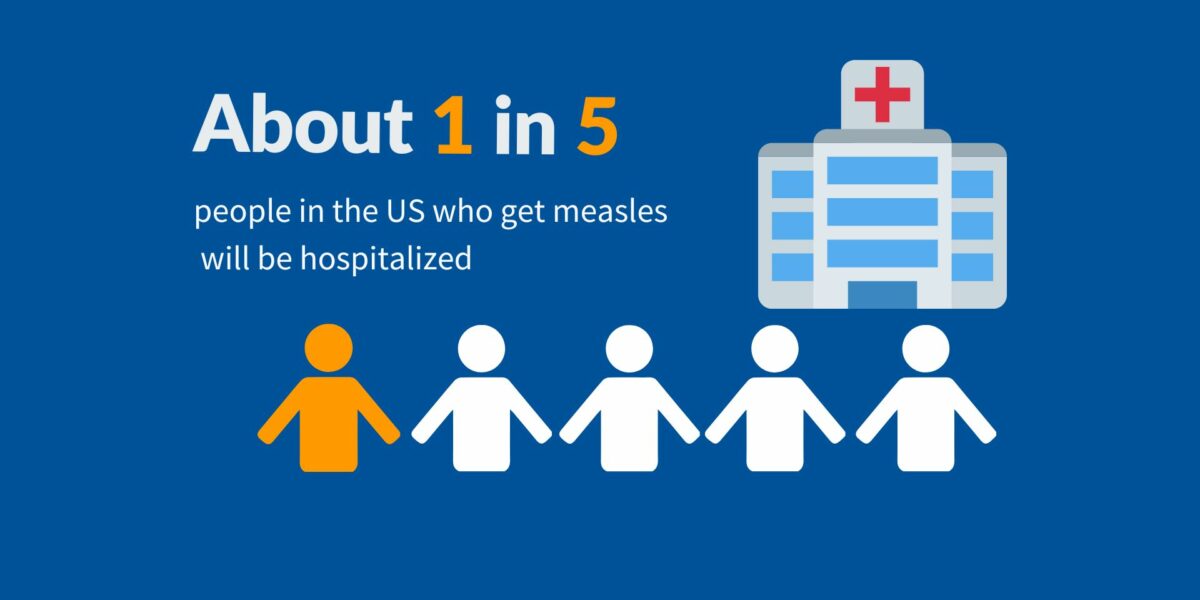
Measles is a vaccine-preventable disease, yet it can take lives; cause permanent blindness, deafness, and brain injury; and temporarily weaken the immune system, even after a mild case. Outbreaks disrupt communities and cost millions of unnecessary public health and healthcare dollars. Based on the current trajectory of cases, we know more illness and death are to come.
To help change that trajectory, in June 2026, the National Foundation for Infectious Diseases (NFID) committed to support the Measles Collaborative, a multi-society initiative that grew out of the Measles Summit convened by NFID and the Infectious Diseases Society of America. The Collaborative’s work is driven by an urgent need to turn around the rapidly growing and deadly measles outbreaks by helping clinicians who have little to no experience managing measles. Eleven workgroups of specialists are translating their expertise into evidence-based, current, practical information for clinicians caring for children and adults with measles. Today, we are launching our new website, www.nfid.org/measles-collaborative, to share these resources.
Together, Collaborative members are working to educate the public and clinicians about measles, including newer issues such as congenital measles. For example, members drafted a congenital measles FAQ(opens in new tab), now posted on the website of the American Academy of Pediatrics, one of the Collaborative’s partner organizations. The Collaborative is also developing a new registry of measles cases to help improve understanding of contemporary short- and long-term complications of measles.
How Can You Protect Yourself and Your Community from Measles?
Now is the time for everyone to check their MMR vaccination status, as well as that of loved ones and friends. If unsure, get an MMR vaccination at your local pharmacy, clinic, or health department. Encourage your community to do likewise.
We urgently need to raise awareness about the dangers of measles at all ages, and the safe, simple, and successful step to prevent it: MMR vaccination. Measles was declared eliminated in the US in 2000. That status is now at risk, and with coordinated efforts, we can and must protect it.
The Measles Collaborative will share new, helpful information widely through partner organizations and the Measles Collaborative website. Keep in touch and share what help you need in your area by contacting the Measles Collaborative at measlescollaborative@nfid.org(opens in new tab).
To join the conversation and get the latest news on infectious diseases:
- Like and follow NFID(opens in new tab) on social media
- Listen and subscribe to the Infectious IDeas podcast
- Subscribe to receive future NFID Updates(opens in new tab)