
Bethesda, MD (May 12, 2026)—The National Foundation for Infectious Diseases (NFID)—in partnership with the Infectious Diseases Society of America (IDSA)—convened 15 leading medical and professional societies for a Measles Summit, held May 7–8 in San Diego. The summit brought together frontline clinicians and public health professionals to examine the escalating measles outbreak, analyze emerging clinical and epidemiological patterns, and develop new resources to help healthcare professionals nationwide respond to the growing public health challenge of measles occurring in their communities.
As of May 7, 2026, 1,842 confirmed measles cases have been reported in the United States this year, including cases in 37 states and the District of Columbia. This is the highest number of measles cases in the US in 35 years. Ninety-two percent of reported cases occurred among individuals who were unvaccinated or whose vaccination status was unknown.
Because measles was declared eliminated in the US in 2000, many clinicians and public health professionals working today have limited firsthand experience with the disease.
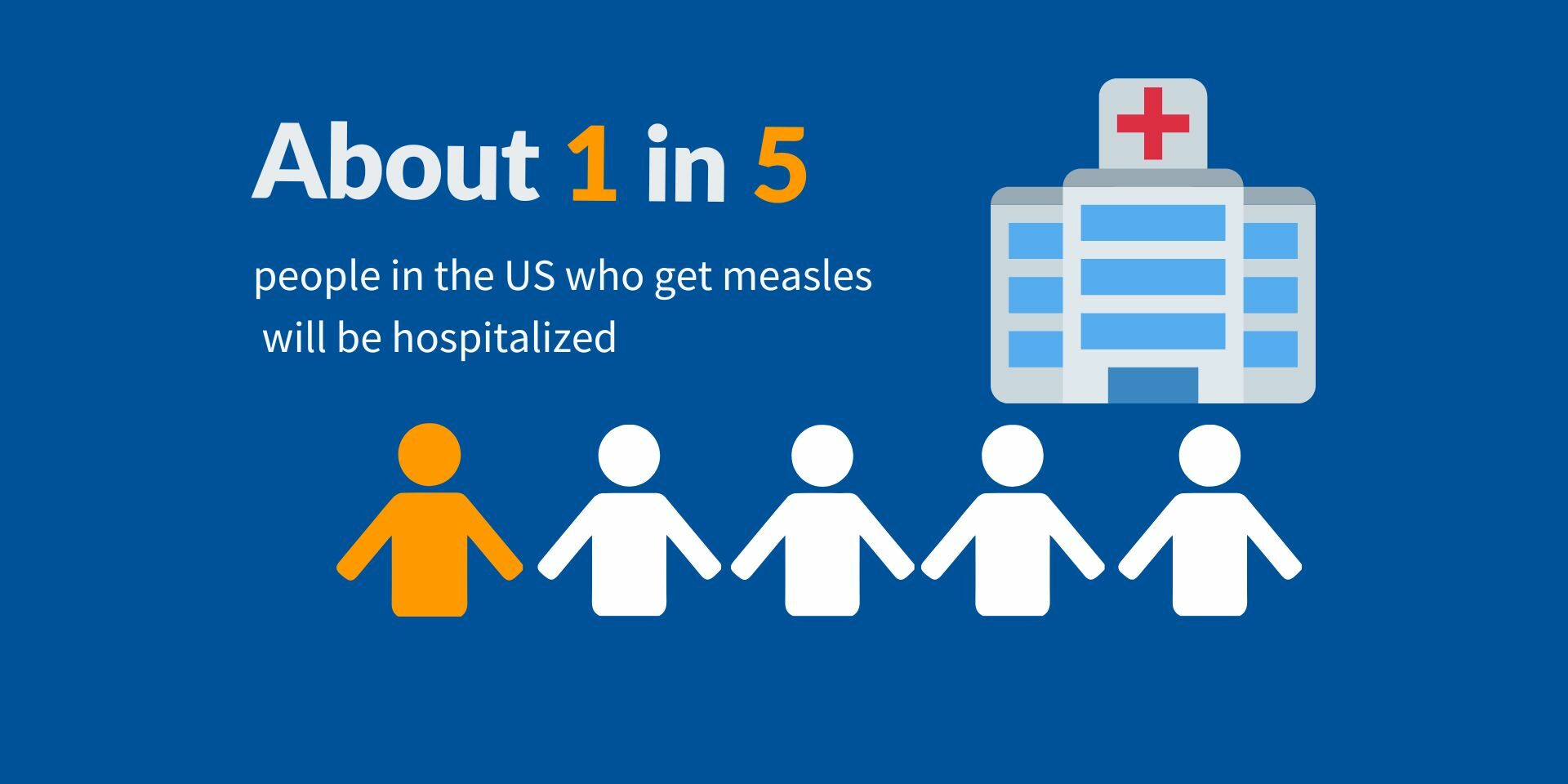
Measles can lead to severe complications, including pneumonia, seizures, brain damage, and death. About 1 in 5 unvaccinated people in the US who get measles will be hospitalized, and 1–3 out of every 1,000 will die, even with the best care.
“This is a preventable crisis,” said infectious disease specialist and epidemiologist Ruth Lynfield, MD, who co-organized the summit. “Measles outbreaks would not be occurring if vaccination rates were higher. As a result, healthcare professionals, public health leaders, and others on the front lines are confronting a disease many have never seen in practice.”
The summit identified priority needs, including
- Updated clinical guidance and education incorporating emerging research on the clinical impact and long-term complications of measles infection, and considerations for pregnancy, neonatal, and pediatric care;
- Readily accessible, actionable resources and decision-support tools for healthcare professionals across settings responding to measles cases, from schools and urgent care centers to clinics and hospitals;
- Updated healthcare system preparedness and infection control approaches informed by lessons learned from recent outbreaks and applicable across healthcare settings;
- State and local public health resources for outbreak response and case management tailored to the needs and realities of affected communities;
- Protocols for following measles cases and understanding the long-term complications;
- Communication approaches that incorporate community voices so that healthcare and public health professionals can work together to address local questions and concerns, educate about the impact of measles and underscore the importance of immunization in protecting children and families from measles
The summit aims to help healthcare professionals, hospitals and health systems, and public health departments respond to outbreaks, including preventing and managing measles in vulnerable populations such as pregnant women and infants who are too young to be vaccinated.
“Even one case of measles raises an alarm because the disease is so contagious and potentially serious,” said Patricia (Patsy) A. Stinchfield, RN, MS, CPNP, NFID immediate past-president.
Summit participants will collaborate to develop resources and disseminate practical tools to support measles prevention and response. “We look forward to sharing these resources and partnering broadly to help ensure they reach the communities that need them most,” Lynfield said.
Participating organizations include:
- American Academy of Family Physicians
- American Academy of Pediatrics (AAP) Committee on Infectious Diseases and AAP Section on Infectious Diseases
- American Clinical Laboratory Association
- American College of Obstetricians and Gynecologists
- Association for Professionals in Infection Control and Epidemiology
- Association of Public Health Laboratories
- American Society of Health-System Pharmacists
- American Society for Microbiology
- Council of State and Territorial Epidemiologists
- Infectious Diseases Society of America
- National Association of Pediatric Nurse Practitioners
- National Association of School Nurses
- National Foundation for Infectious Diseases
- Pediatric Infectious Diseases Society
- Society for Healthcare Epidemiology of America
Quotes from Participating Organizations
American Academy of Family Physicians President Sarah C. Nosal, MD, FAAFP:
“Measles outbreaks serve as a stark reminder of the invaluable role vaccines play in preventing the spread of infectious—and preventable—diseases. When vaccinations are deferred, delayed, or skipped, resulting outbreaks risk not only death and disability but disrupt families, schools, and communities. Staying up to date on vaccines, including measles-mumps-rubella (MMR), is one of the simplest, most powerful ways to protect children and stop the spread of disease.”
American Academy of Pediatrics President Andrew D. Racine, MD, PhD, FAAP:
“We can stop contagious diseases like measles in their tracks and protect our most vulnerable communities through on-time vaccinations. Every child deserves to thrive and grow, and vaccinations are what allow our communities to be healthy by protecting those at greatest risk, especially infants. As we all work toward restoring high vaccination rates, it is important that clinicians, especially those on the frontlines, are supported in addressing ongoing outbreaks.”
American College of Obstetricians and Gynecologists President Camille A. Clare MD, MPH, CPE, FACOG:
“This summit is coming at a critical time when it is necessary to have a strong, unified voice on the importance of measles vaccination. Measles infection can have detrimental effects on those who are not vaccinated, and one of the groups at greatest risk is pregnant women. Vaccines are an essential part of prepregnancy, prenatal, and postpartum care. They offer protection to both pregnant patients and their infants against potentially deadly diseases. With vaccine hesitancy and threats to evidence-based medicine more pervasive than ever, ACOG is pleased to take part in this convening because it will take our collective and continued efforts to help stem the outbreak of measles in this country.”
American Society for Microbiology President Alexander J. McAdam, MD, PhD, D(ABMM):
“The resurgence of measles in the US puts patients and communities, especially those who are most vulnerable, at risk of serious complications. Vaccination is our most effective tool to prevent measles; it is 97% effective after two doses. Rapid, accurate testing and surveillance are essential to identifying cases early and limiting spread. A robust public health system rooted in science-based policies is critical to sustaining these efforts. ASM is proud to partner with public health leaders and experts to advance the science, policy, and infrastructure needed to protect people and stop measles outbreaks.”
American Society of Health-System Pharmacists Executive Vice President and CEO Samuel Calabrese, MBA, RPh, CPEL, FASHP:
“Recent measles outbreaks present significant public health challenges. The American Society of Health-System Pharmacists (ASHP) is pleased to collaborate with NFID, IDSA, and other leading organizations on this critical summit to help healthcare providers and organizations respond to current outbreaks, and strengthen efforts to address and prevent future ones.”
Association for Professionals in Infection Control and Epidemiology (APIC) President Kathy Ward, RN, BSN, MPH, CIC, FAPIC:
“Infection preventionists across the country are united in their concern about what sustained measles transmission means for patients and the healthcare system. While healthcare facilities will continue to respond to individual cases, high vaccination coverage remains the most effective way to protect communities and preserve access to care.”
The Association of Public Health Laboratories CEO Scott J. Becker, MS:
“The Association of Public Health Laboratories is deeply concerned about the rapid rise of measles cases in 2025 and 2026. Every new case increases the risk to infants, immunocompromised individuals, and entire communities. Public health laboratories stand ready to provide rapid and accurate laboratory tests to guide public health responses to measles outbreaks and help contain further spread of disease.”
Council of State and Territorial Epidemiologists Executive Director Janet Hamilton, MPH:
“The Council of State and Territorial Epidemiologists is committed to working with our federal and local partners to support front-line public health teams responding to the exceptional scale of measles outbreaks across the US, which is well beyond what our current public health infrastructure was calibrated to manage. As we navigate these shifting transmission dynamics, it is clear that sustained vaccination remains our most effective tool to protect families and restore the protective shield that preserves the health of our communities.”
Infectious Diseases Society of America President Ronald G. Nahass, MD, MHCM, FIDSA:
“The measles outbreaks we are witnessing across the country are preventable and are the result of the spread of misinformation about vaccines. IDSA is proud to convene and partner with infectious diseases experts and our healthcare colleagues to end the current measles outbreaks and to stem future vaccine-preventable outbreaks.”
National Association of Pediatric Nurse Practitioners President Felesia Bowen, PhD, DNP, PPCNP-BC, FADLN, FAAN:
“Pediatric-focused advanced practice nurses are often the first point of contact for families, making us critical partners in preventing the spread of measles through timely vaccination, education, and early identification of cases. We are proud to work alongside infectious disease experts in this collaborative effort to protect children and families from this highly contagious and potentially life-threatening disease.”
National Association of School Nurses President Lynn Nelson, MSN, RN, NCSN:
“School nurses are often among the first healthcare professionals to identify symptoms of communicable disease in children and respond to concerns from families and school communities. As measles outbreaks continue to emerge across the country, school nurses play a critical role in early recognition, family education, outbreak response coordination, and helping support healthy learning environments. NASN is proud to collaborate with national partners to ensure school health professionals have access to timely, evidence-based resources to protect students and communities.”
National Foundation for Infectious Diseases President Jeffery A. Goad, PharmD, MPH:
“The National Foundation for Infectious Diseases is committed to working with partners who have stepped forward to support front-line clinicians in responding to measles cases in communities with low vaccination rates. Vaccination is the most effective way all of us can protect ourselves, our families, and our communities from measles.”
Pediatric Infectious Diseases Society President Debra L. Palazzi, MD, MEd, FPIDS:
“Each case of measles threatens not only the individual, but also those around them. A coordinated, collective approach is important to support an effective public health response. The Pediatric Infectious Diseases Society is committed to working with our summit partners and all front-line clinicians to protect our communities, particularly infants too young to be vaccinated and immunocompromised children unable to receive vaccination, from the near- and long-term harms posed by measles.”
Society for Healthcare Epidemiology of America President-Elect Ann-Christine Nyquist, MD, MSPH, FPIDS, FIDSA:
“Vaccines are one of the most effective tools we have for preventing infection and protecting public health. With measles cases on the rise, SHEA is deeply concerned about the impact on our communities, particularly the risk of transmission of infection to vulnerable populations. We are committed to supporting the Measles Summit by helping ensure clear, accurate information about the importance and safety of measles vaccination reaches the public and healthcare workers, who play a critical role in prevention and patient trust. Increasing awareness and confidence in vaccination and utilizing tried and true methods to prevent the spread of one of the most contagious diseases known is essential to safeguarding public health.”
About the National Foundation for Infectious Diseases
Founded in 1973, the National Foundation for Infectious Diseases (NFID) is a non-profit 501(c)(3) organization dedicated to educating and engaging the public, communities, and healthcare professionals about infectious diseases across the lifespan. NFID has a 4-star rating from Charity Navigator and has earned a Platinum transparency seal from Candid/GuideStar. For more information, and to access trusted science-based resources on immunization for both healthcare professionals and the public, visit www.nfid.org.
Contact: Diana Olson at dolson@nfid.org
Recent Press Releases

New Survey: Most US Adults Support Vaccines, but Many Remain Unclear About Respiratory Vaccine Recommendations
NFID launches National Respiratory Communications Initiative to help deliver clear, consistent, evidence-based guidance on respiratory disease prevention

NFID Announces Launch of National Respiratory Communications Initiative
NRCI brings together leading immunization, patient advocacy, and public health organizations to make evidence-based prevention guidance easier to find, understand, and use.

NFID Announces 2026-2027 Board of Directors
NFID is pleased to announce the 2026-2027 NFID Board of Directors and updated slate of officers