

Simple actions—like washing your hands—remain one of the most powerful tools to help prevent infections and save lives
Bethesda, MD (May 5, 2026)—In recognition of World Hand Hygiene Day, the National Foundation for Infectious Diseases (NFID) is reminding everyone to take a simple but powerful step to help protect their health: wash their hands.
Through its national Hands In For Handwashing campaign, NFID is working to raise awareness about the importance of proper hand hygiene to help stop the spread of infectious diseases.
“Handwashing is one of the easiest and most effective ways to prevent the spread of infectious diseases, yet too many people skip it when it matters most,” said NFID Medical Director Robert H. Hopkins, Jr., MD. “The Hands In For Handwashing campaign reminds us that protecting our health—and the health of those around us—is literally in our hands.”
A Simple Habit with a Big Impact
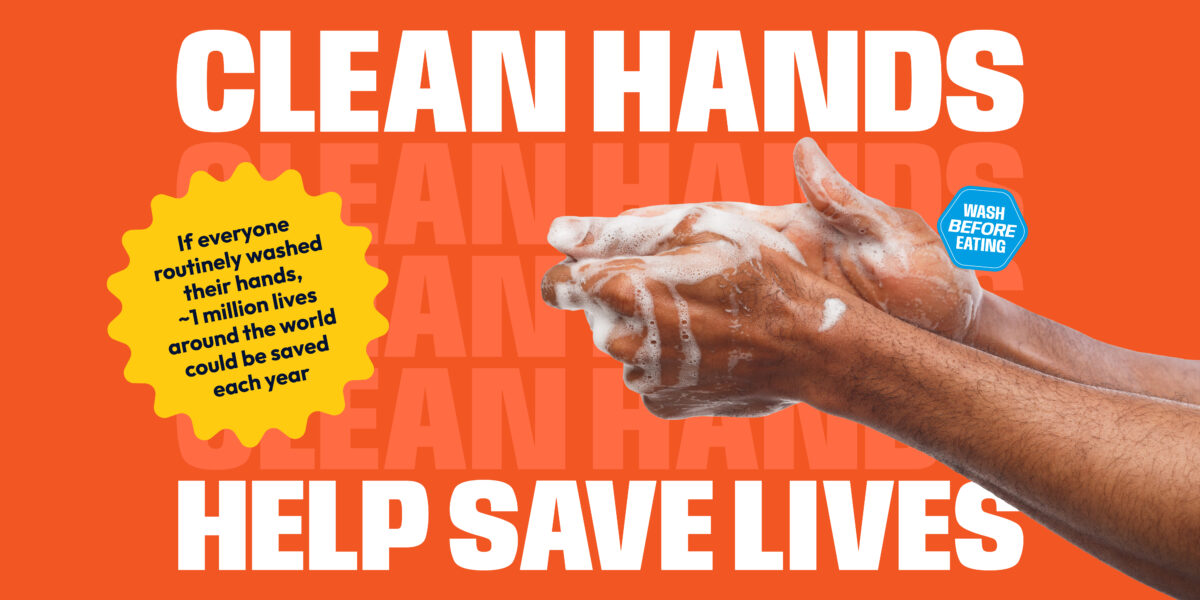
About 80% of infectious diseases are spread by dirty hands. Routine handwashing can help reduce the spread of illnesses like C. diff, COVID-19, flu, hepatitis A, norovirus, and rotavirus. Experts estimate that if everyone consistently practiced proper hand hygiene, up to 1 million lives could be saved globally each year.
Despite these benefits, handwashing is often inconsistent and situational. NFID survey data have shown that many people are more likely to wash their hands during cold and flu season, even though germs spread year-round. Others admit to forgetting or choosing not to wash their hands at key times, like after visiting a grocery store or healthcare setting such as a pharmacy, doctor’s office, or hospital.
Back to Basics: 5 Steps to Proper Handwashing
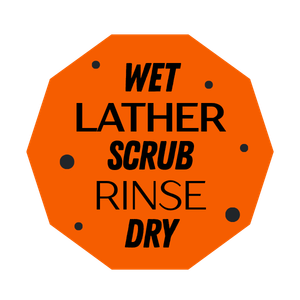 NFID encourages everyone to follow these 5 key steps to wash hands effectively:
- Wet your hands with clean, running water
- Lather with soap, including backs of hands, between fingers, and under nails
- Scrub for at least 20 seconds
- Rinse well under clean, running water
- Dry using a clean towel or air dry
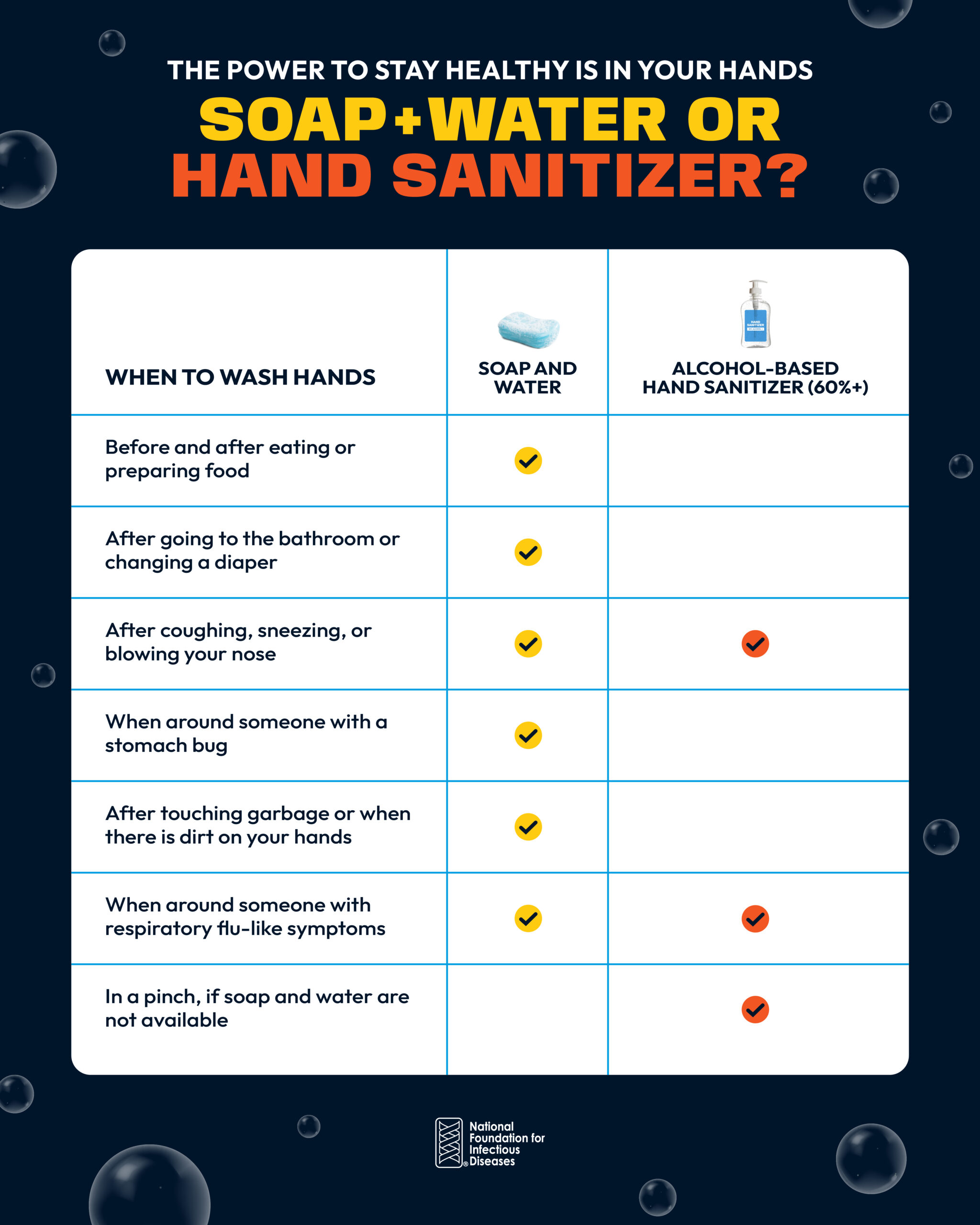
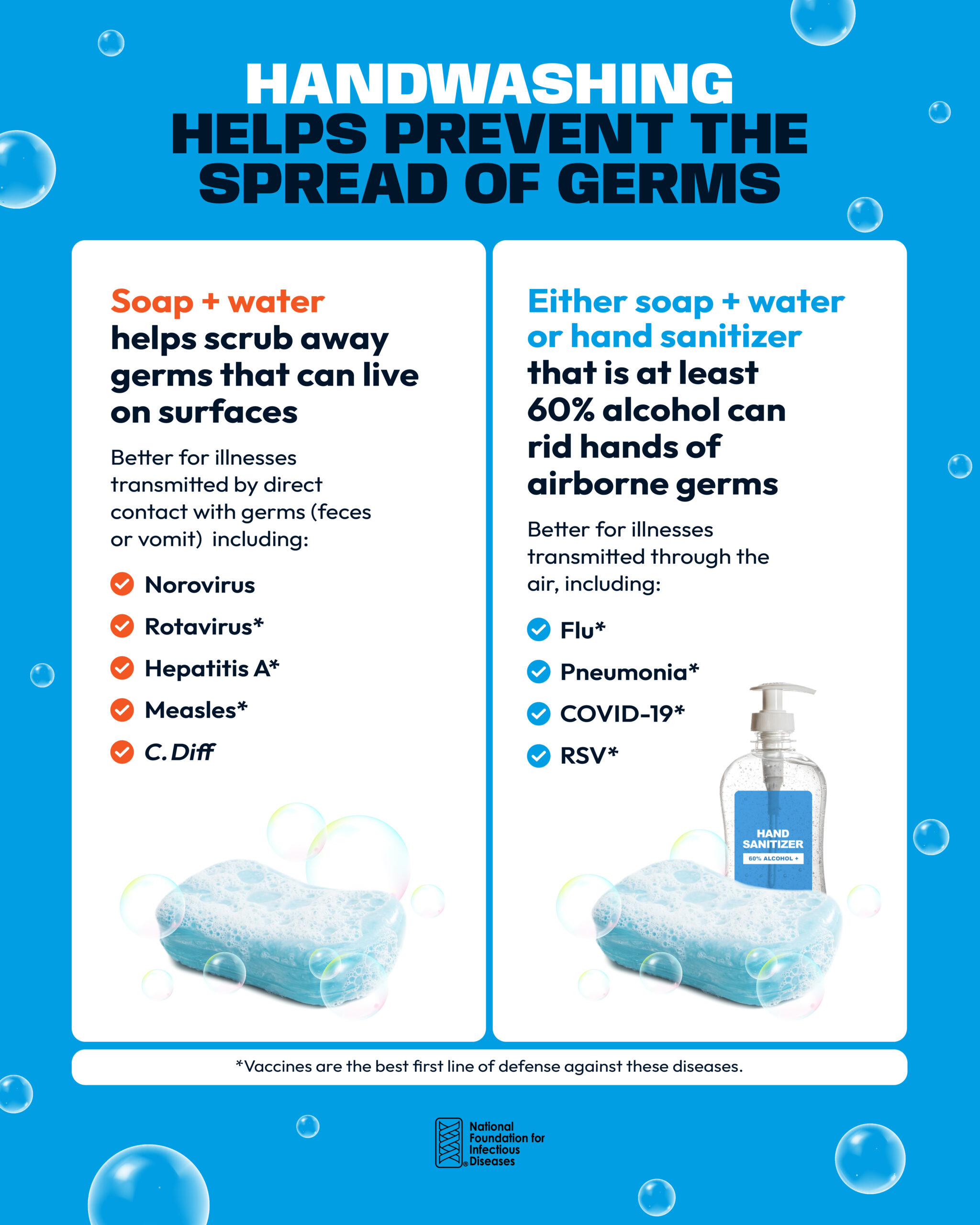
If soap and water are not available, using alcohol-based hand sanitizer can help get rid of germs. These NFID graphics show when and how to wash your hands:

Hand Hygiene: A Critical Line of Defense
Hand hygiene is also a cornerstone of infection prevention and control. According to the Centers for Disease Control and Prevention, cleaning hands with soap can reduce illness and prevent the spread of infections, including respiratory and diarrheal diseases. In fact, proper handwashing can help prevent about 1 in 3 diarrheal illnesses and nearly 1 in 5 respiratory infections among children.
In healthcare settings, the stakes are even higher. Healthcare personnel may need to clean their hands up to 100 times during a single shift to protect patients and themselves from potentially life-threatening infections.
“Clean hands are fundamental to patient safety and public health,” said Hopkins. “On World Hand Hygiene Day, we are reminded that this simple action remains one of the most powerful tools we have to stop the spread of infections.”
NFID encourages everyone to join the Hands In For Handwashing movement by practicing proper hand hygiene and sharing the message with others.
About the National Foundation for Infectious Diseases
Founded in 1973, the National Foundation for Infectious Diseases (NFID) is a non-profit 501(c)(3) organization dedicated to educating and engaging the public, communities, and healthcare professionals about infectious diseases across the lifespan. NFID has a 4-star rating from Charity Navigator and has earned a Platinum transparency seal from Candid/GuideStar. For more information, visit www.nfid.org/handwashing.
Contact: Communications@nfid.org
Recent Press Releases
New National Survey Finds Nearly Half of US Adults Admit to Not Washing Their Hands at Key Moments
2025 NFID State of Handwashing Report finds that many US adults forget or choose not to wash their hands at key times when germs can easily spread