What vaccines do adults need this respiratory season? Recommendations vary by age, health, and pregnancy status. TameIt.org brings together guidance from AAFP, AAP, ACOG, and IDSA for every stage of life.
Most US Adults Support Vaccines but Don’t Know Which Ones They Need
US adults support vaccines but don’t know which ones are recommended for them, according to a new survey by the National Foundation for Infectious Diseases (NFID) released at the 2026 Annual Respiratory Season Kick-Off on September 24, 2026. As respiratory season gets underway, NFID and partners announced the launch of the National Respiratory Communications Initiative (NRCI) to help turn support for vaccination into action. NRCI and its flagship website, TameIt.org(opens in new tab), aim to make evidence-based guidance easy to find, understand, and use.
Nearly 8 in 10 survey respondents agreed that vaccines are among the best and most proven ways to protect against serious infectious diseases. But less than half actually tried to get vaccinated against influenza (flu), COVID-19, respiratory syncytial virus (RSV), or pneumococcal disease in the past year. Yearly flu vaccines are recommended for everyone ages 6 months and older, but more than a quarter of respondents either said flu vaccination was not recommended for them or they were unsure.
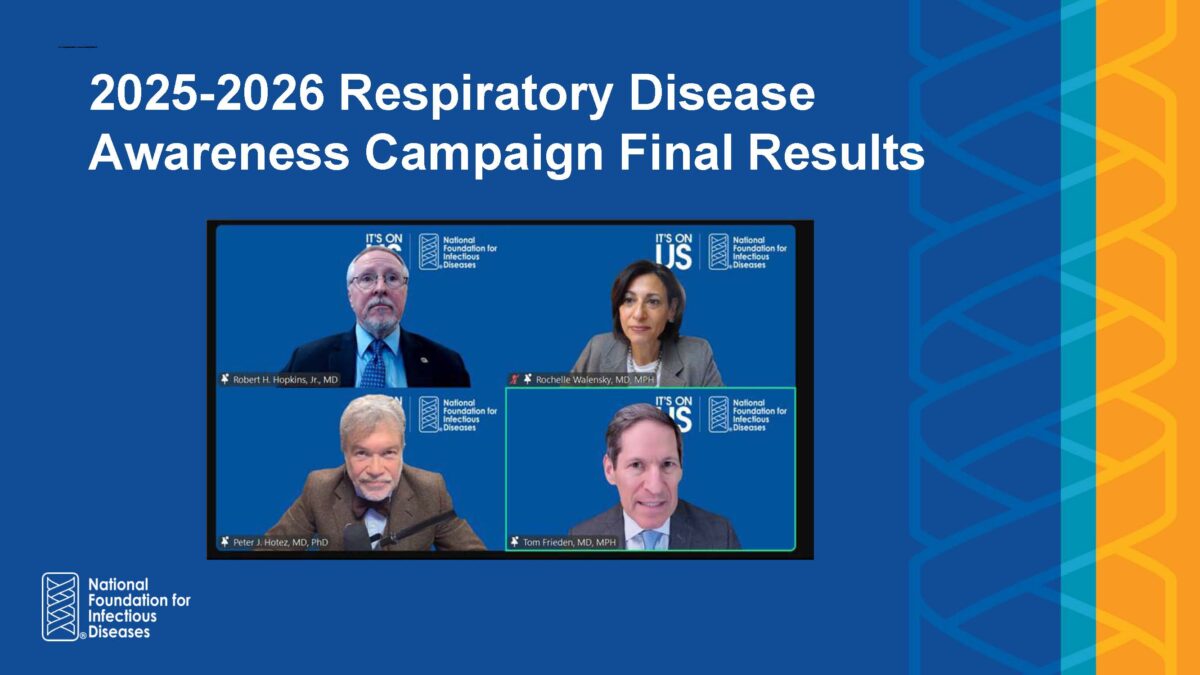
“Having effective prevention tools is only part of the solution,” said NFID Medical Director Robert H. Hopkins Jr., MD. “People need clear, trusted guidance to understand their risks, determine what preventive strategies are right for them, and to take action.”
“It’s become harder for people to find information they can trust at the moment that they need it,” said NFID Executive Director and CEO Rebecca Alvania, PhD, MA, MPH. “When people go looking for answers, what they find can be fragmented – different messages from different sources without clear next steps.”
TameIt.org(opens in new tab) brings together evidence-based vaccination recommendations(opens in new tab) for every stage of life from the American Academy of Family Physicians (AAFP), the American Academy of Pediatrics (AAP), the American College of Obstetricians and Gynecologists (ACOG), and the Infectious Diseases Society of America (IDSA). The website also includes rigorously reviewed materials, including one pagers, content for social media, and other resources that partners can “pick up, put their own name on, and share with their communities,” Alvania said.
“When organizations, state programs, and local health departments can all reinforce each other with consistent messaging and practical resources, then people can hear one message, and then they can confidently act,” added Michelle Fiscus, MD, FAAP, chief medical officer of the Association of Immunization Managers (AIM), one of the founding Steering Committee members of NRCI. The other founding partners are Immunize.org, the National Adult Influenza and Immunization Summit, and Vaccinate Your Family.
About 710,000 people were hospitalized with flu-related illnesses in the 2024-2025 season and about 45,000 died, according to the US Centers for Disease Control and Prevention (CDC). COVID-19 led to 390,000-550,000 hospitalizations and 45,000-64,000 deaths. The 2025-2026 season was less severe but still claimed tens of thousands of lives and put hundreds of thousands in the hospital.
“I don’t know how severe a respiratory virus season we’re going to have, but I am pretty certain that millions of Americans will be sickened and far too many hospitalized from respiratory viruses,” said former CDC Principal Deputy Director Anne Schuchat, MD. “The best way to prevent becoming one of those statistics is to get vaccinated.”
AAFP Chief Medical Officer Margot L. Savoy, MD, MPH, FAAFP, compares vaccines to video game “cheat codes” that give players special powers. “Vaccines are like cheat codes for life,” she says. “Vaccines are our opportunity to level up before the season has the opportunity to take hold, and to save us from unnecessary illness, hospitalization, and death.”
Other speakers at the briefing included Kate Berry, MPP, senior vice president of clinical affairs at America’s Health Insurance Plans (AHIP), Ryan A. Stanton, MD, FACEP, president-elect of the American College of Emergency Physicians (ACEP), and Gary Stein, Board member of Families Fighting Flu, who helped create the nonprofit after his daughter died from influenza.
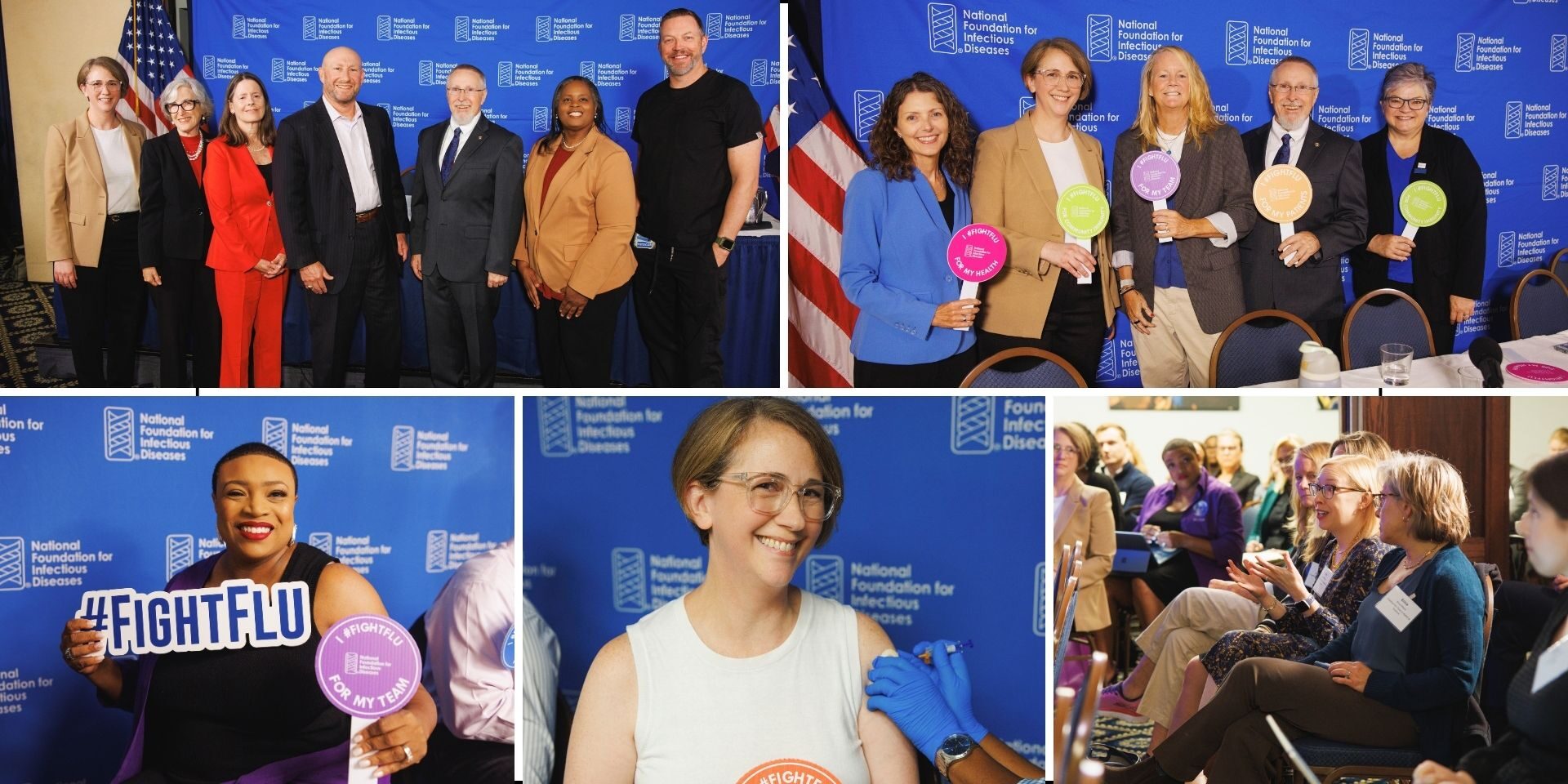
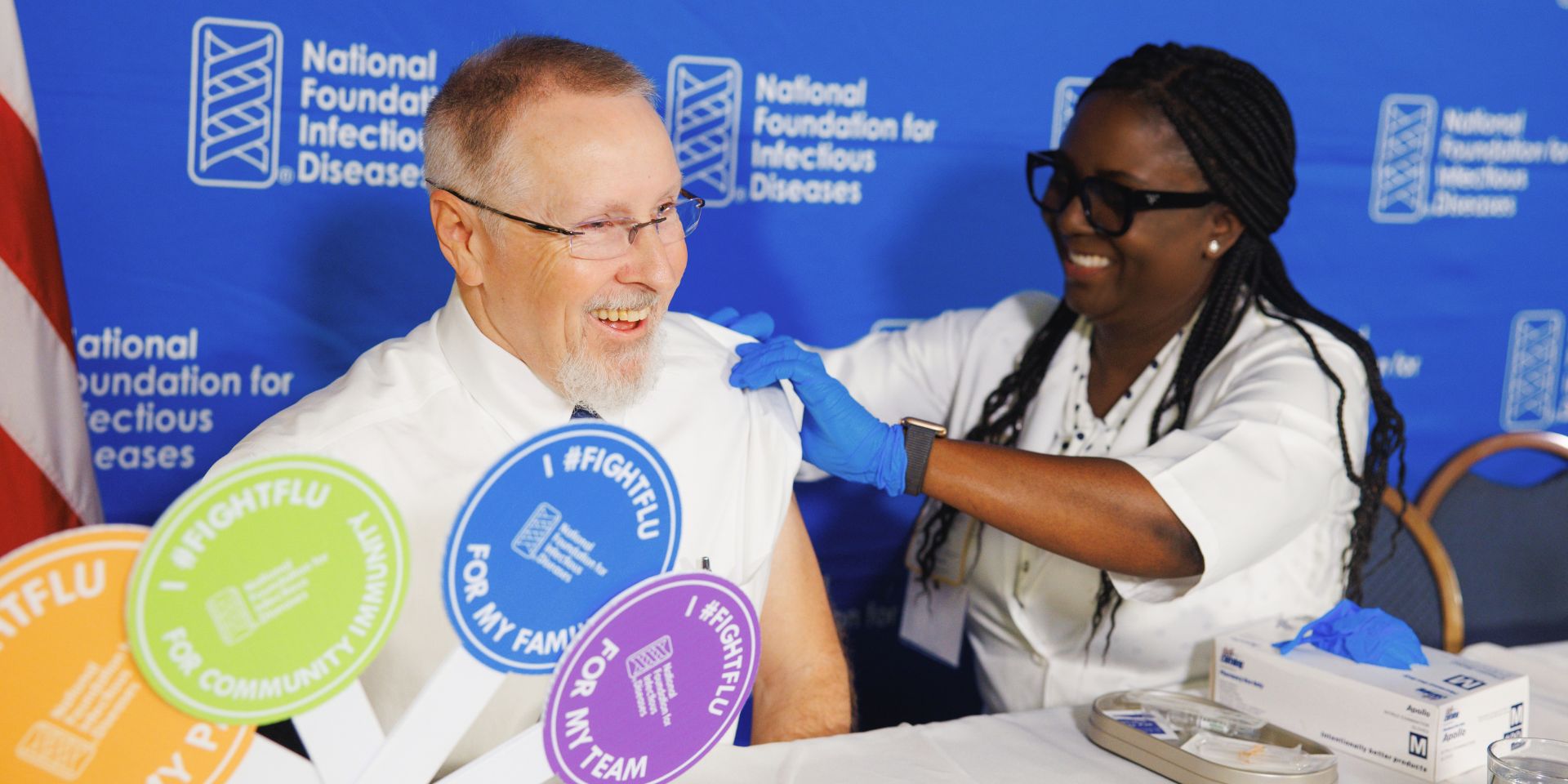
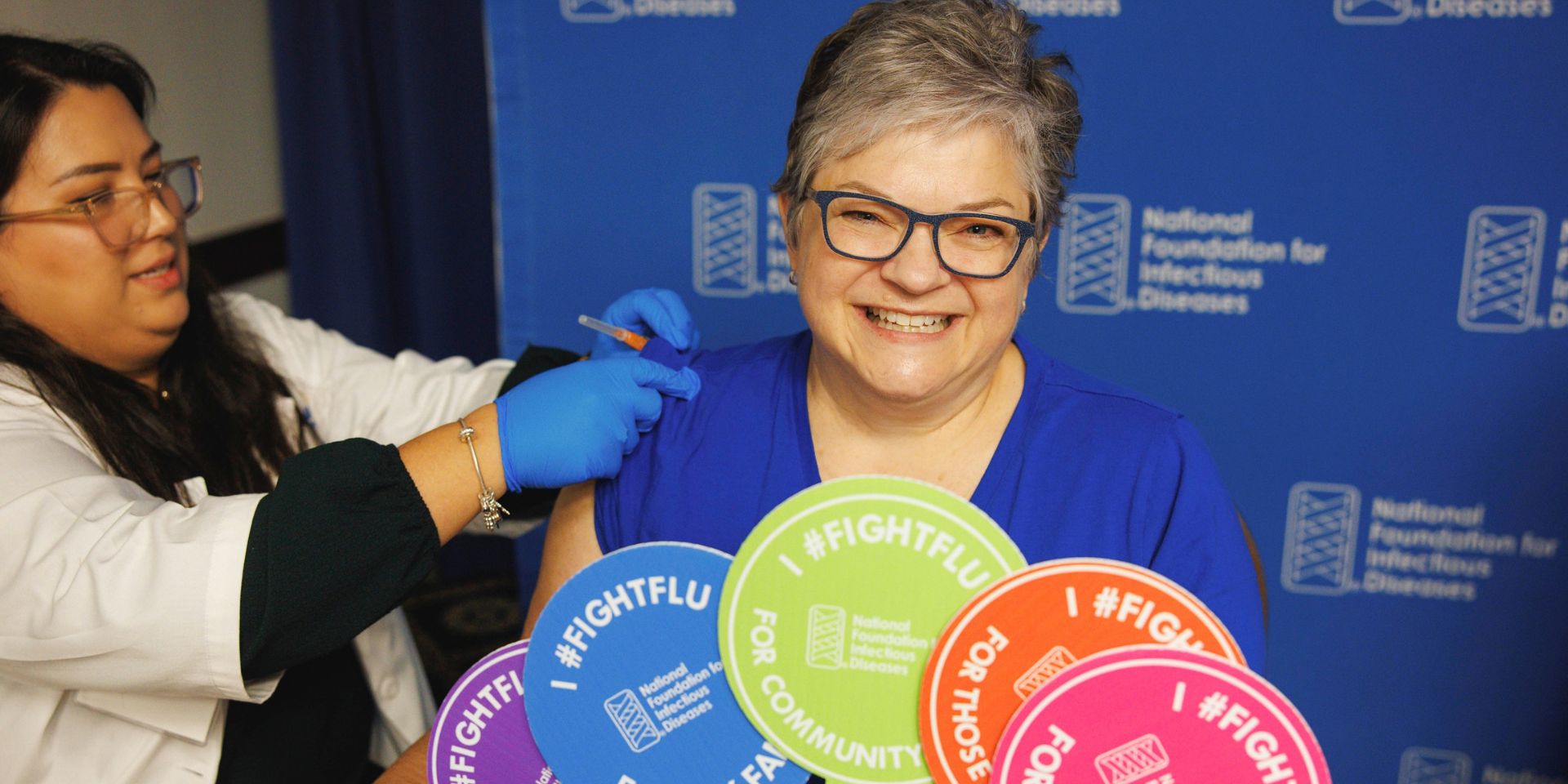
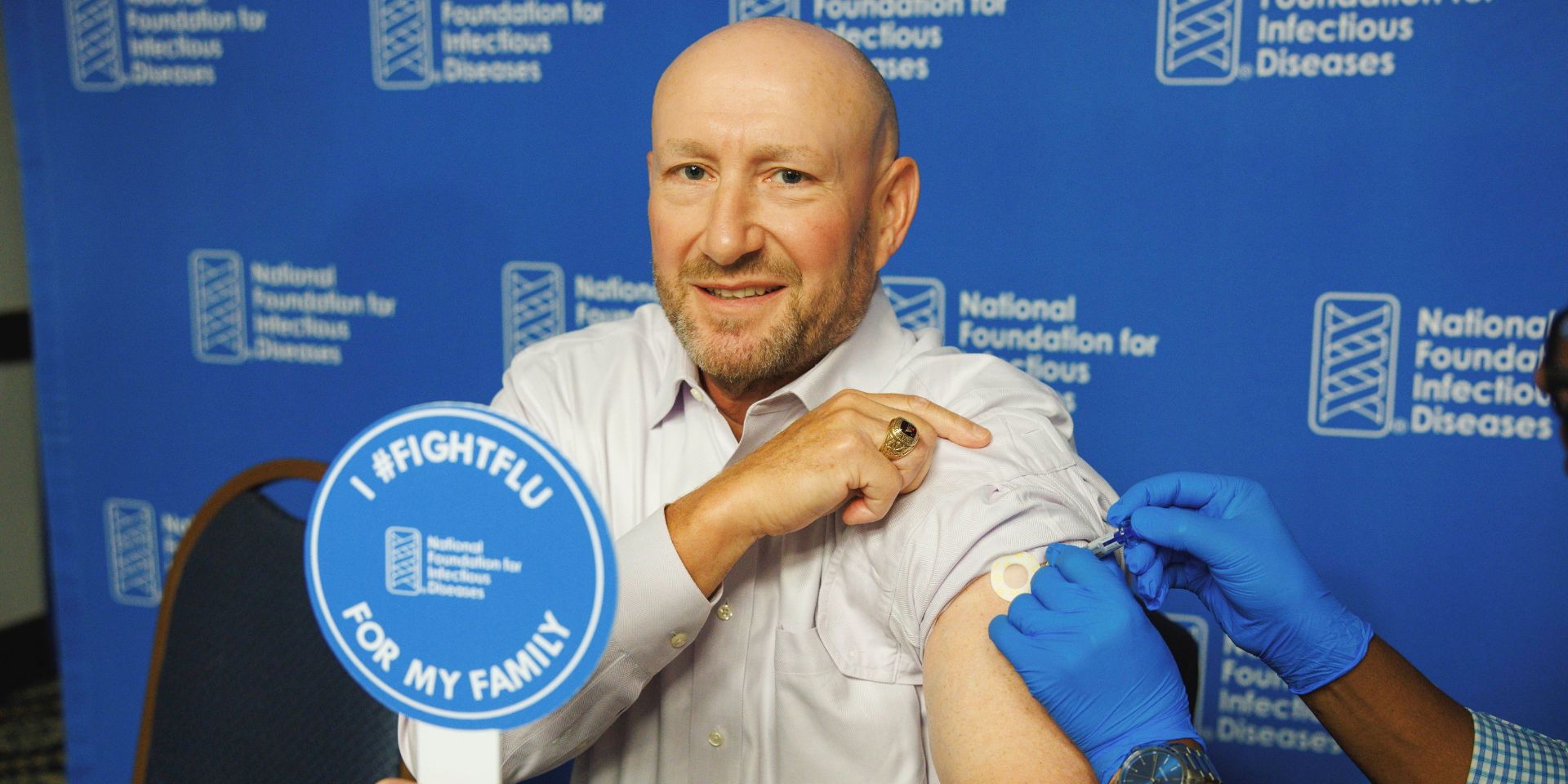
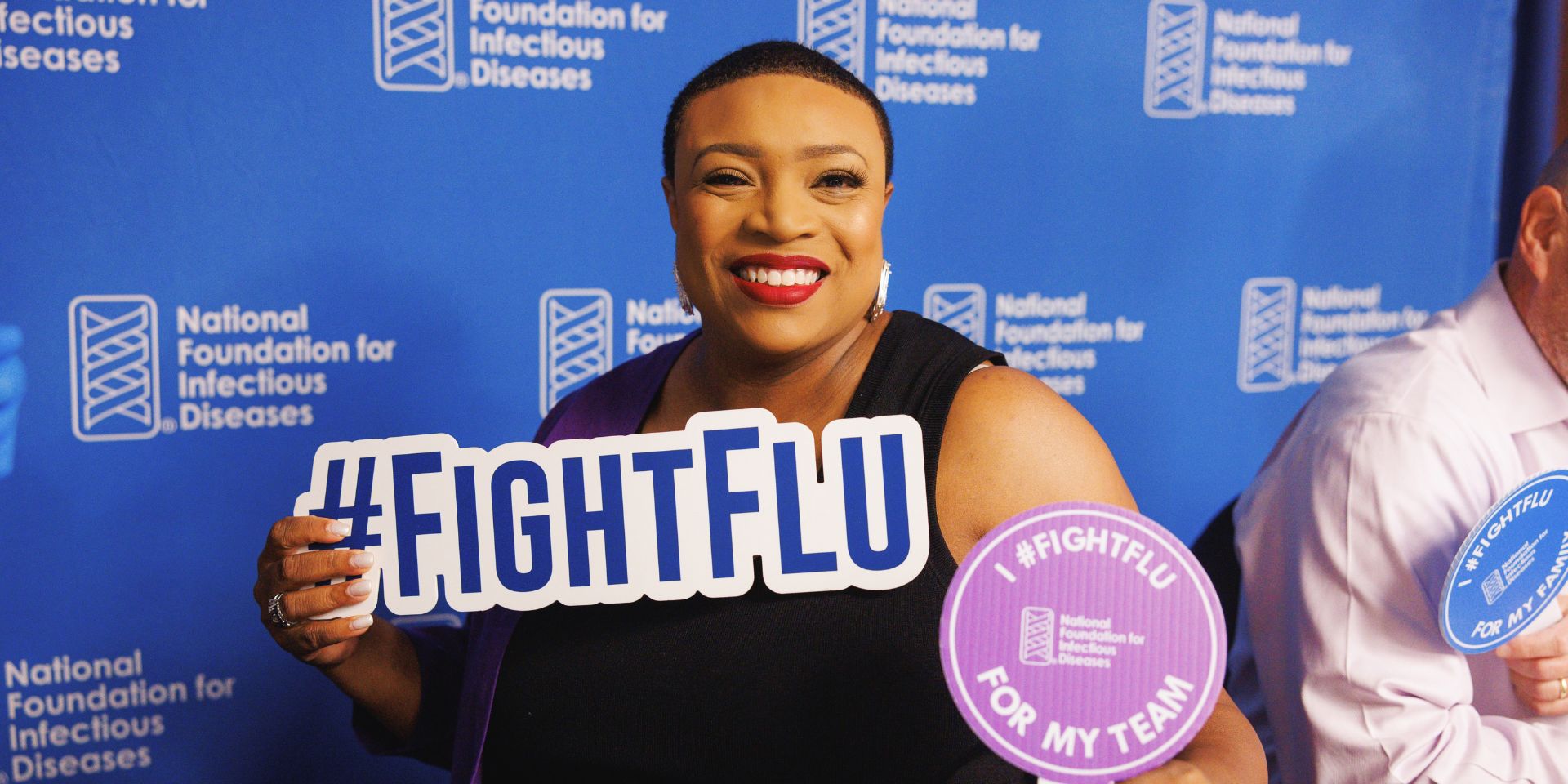
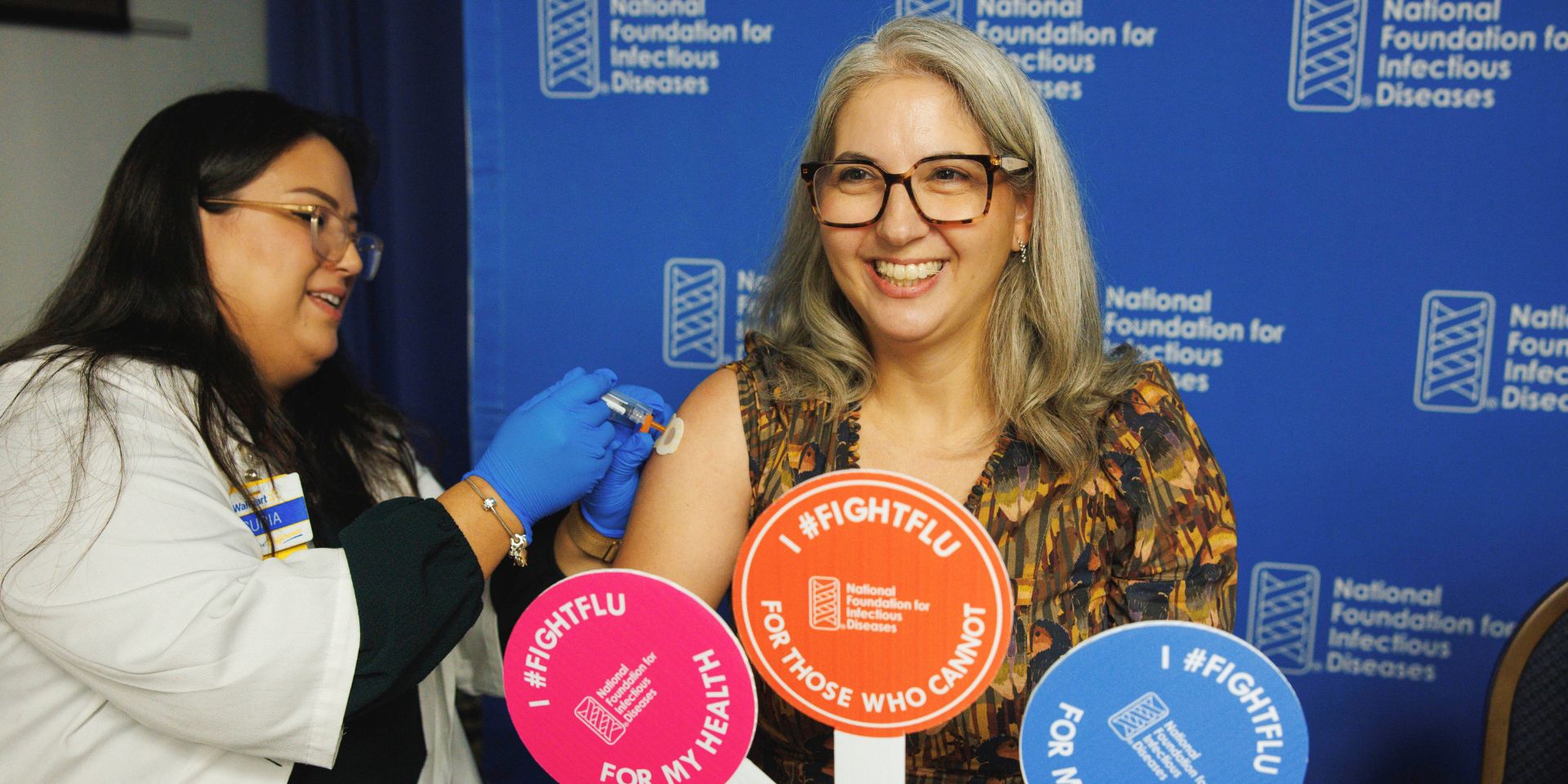
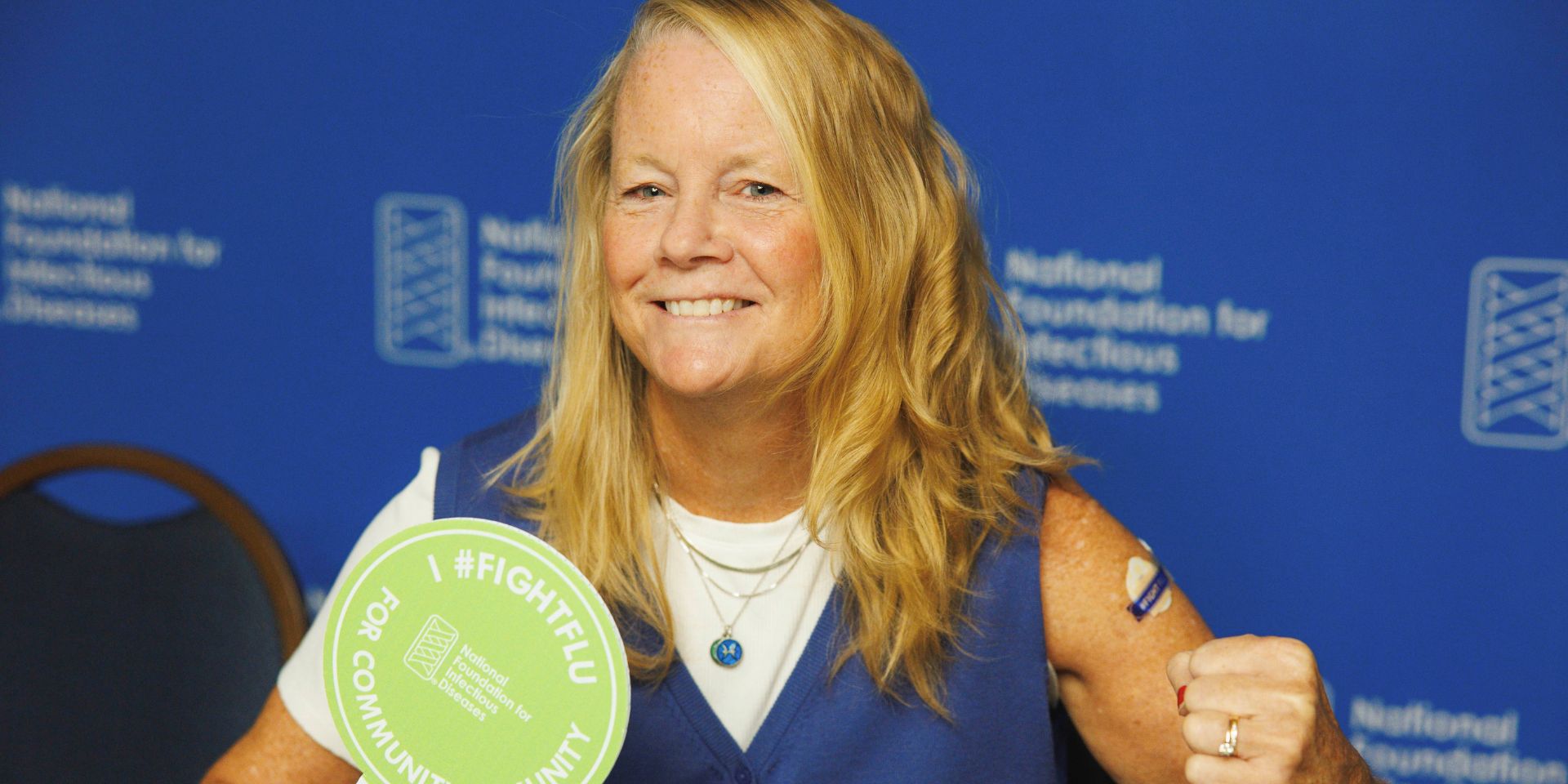
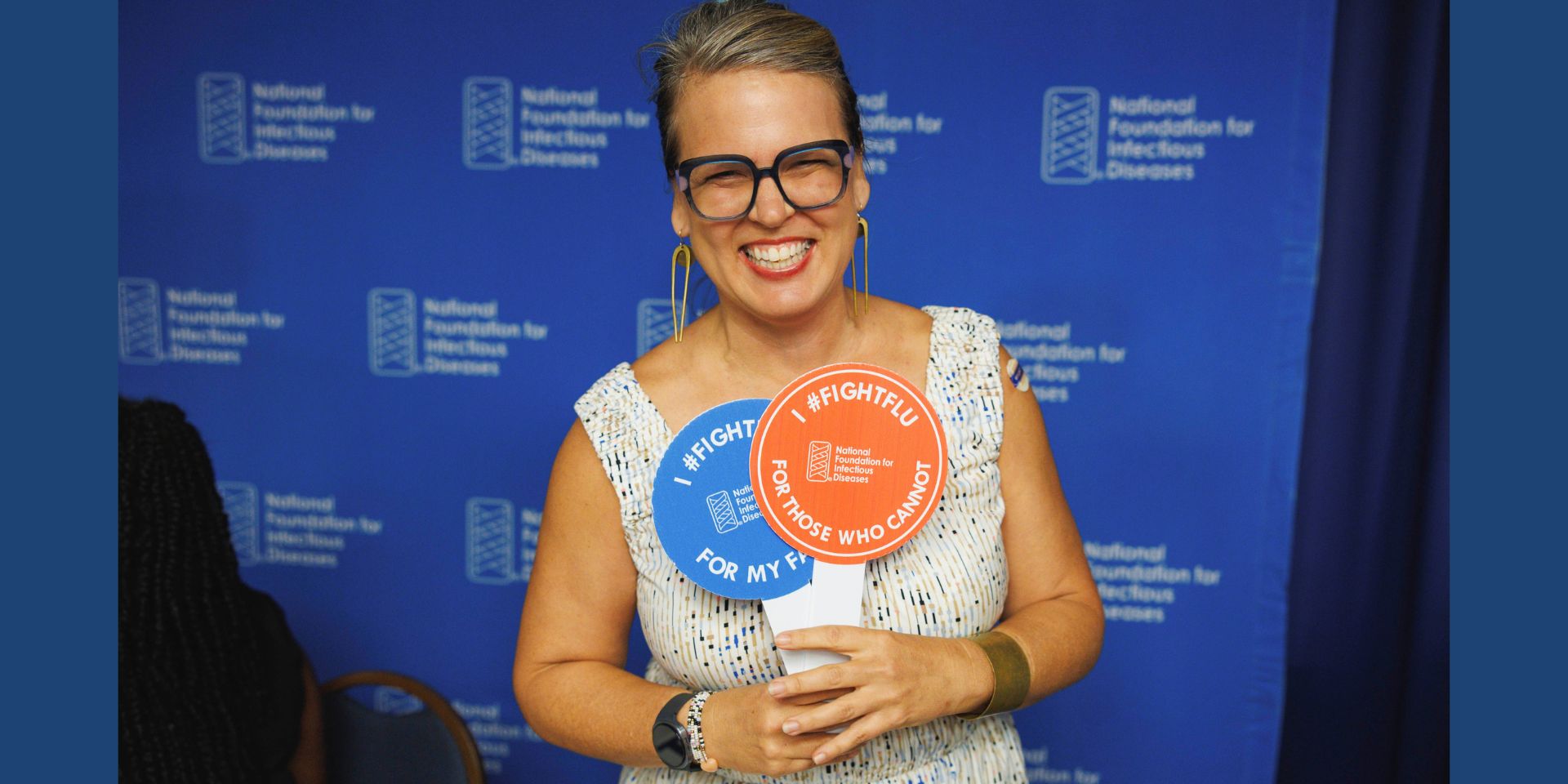
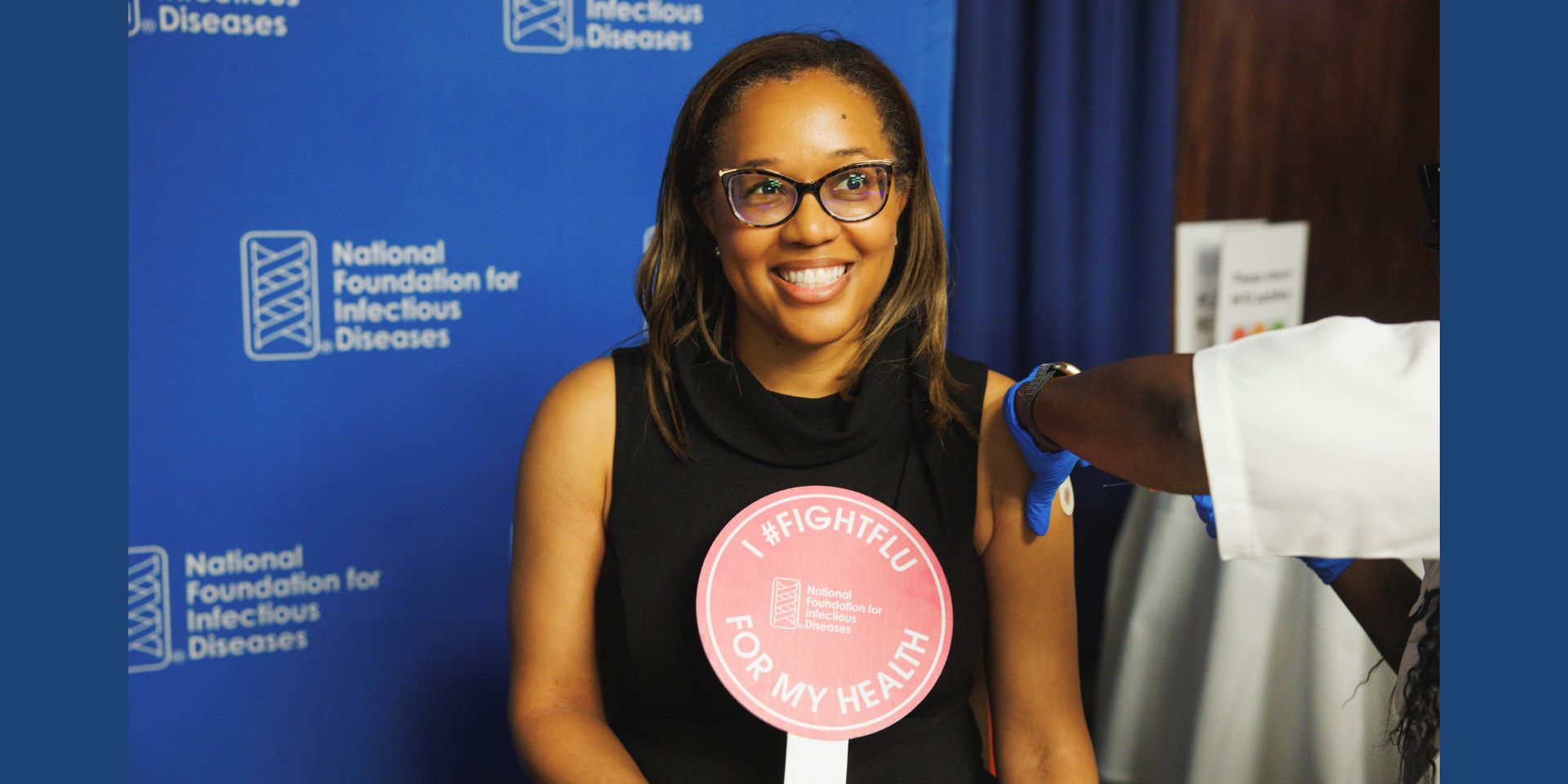
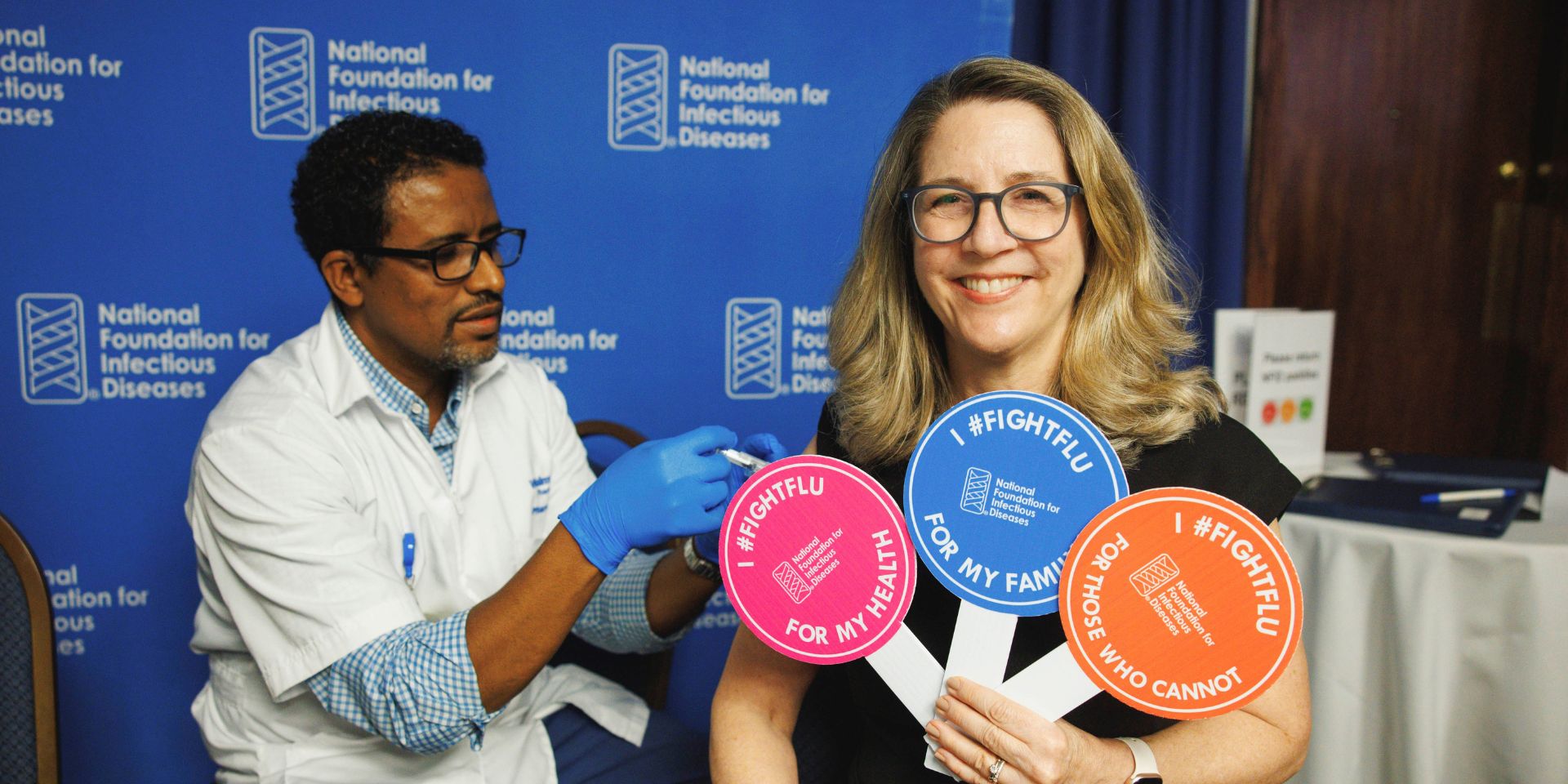
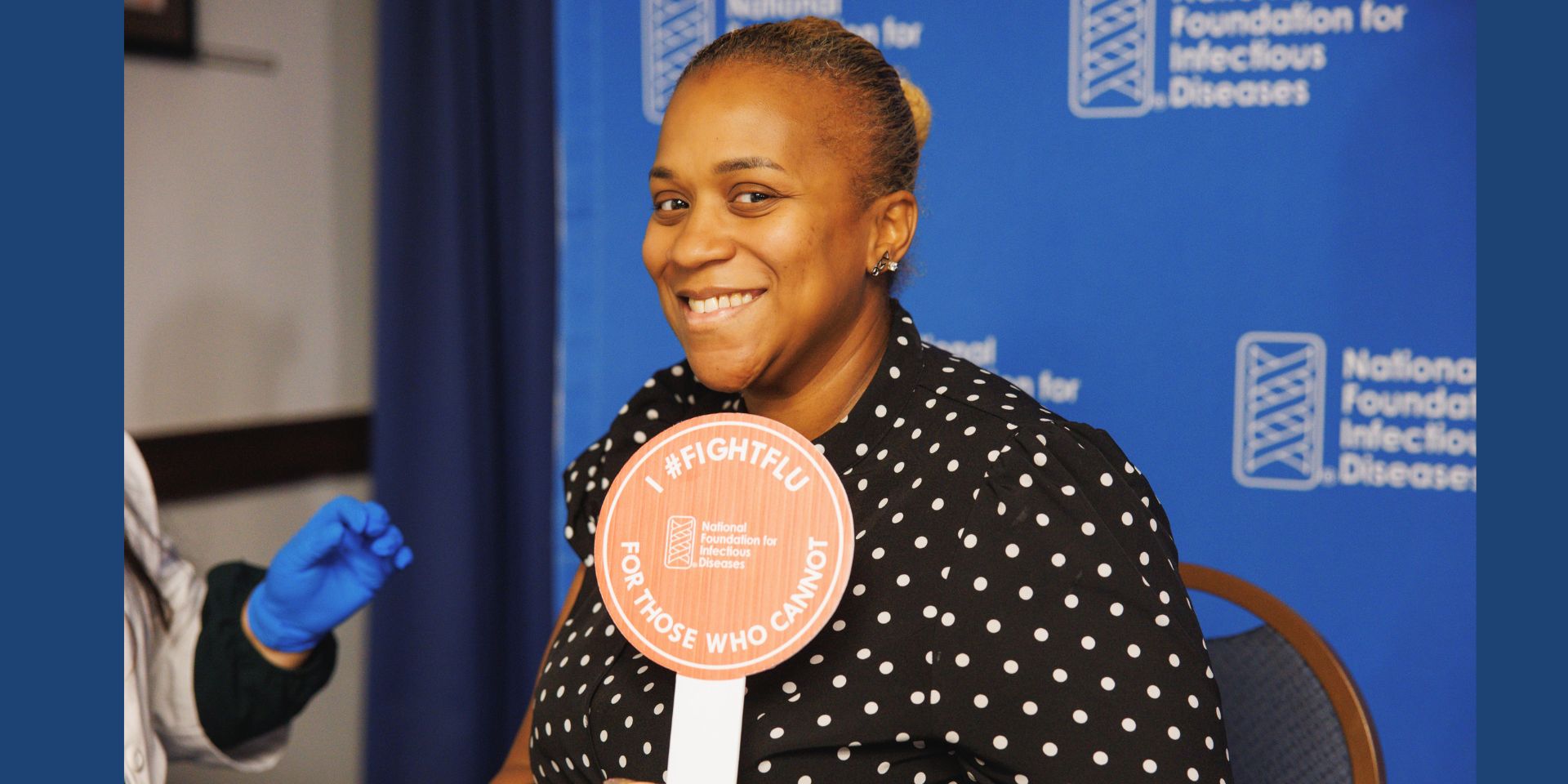
Several panelists and partners got vaccinated at a vaccine clinic following the news briefing as part of the NFID Leading By Example initiative to raise awareness about the importance of disease prevention through vaccination.
Meet the Monsters: Let’s Tame Them

Source: NFID
Partner organizations and immunization advocates are invited to:
- Use the Tame It materials(opens in new tab). Check out TameIt.org(opens in new tab) for free and ready-to-brand resources in both English and Spanish.
- Tell us what you need. Submit your resources(opens in new tab) to the Tame It library and tell us more about what resources are most helpful for your communities and what messages will resonate most. Contact: TameIt@nfid.org(opens in new tab).
- Reach out to become a partner. If your organization reaches patients, families, older adults, or communities affected by respiratory illness, join NFID(opens in new tab).
A video of the NFID Annual Respiratory Season Kickoff briefing is available at: www.nfid.org/2026RespiratoryKickOff.
Leading By Example Vaccine Clinic

To join the conversation and get the latest news on infectious diseases:
- Like and follow NFID(opens in new tab) on social media
- Listen and subscribe to the Infectious IDeas podcast
- Subscribe to receive future NFID Updates(opens in new tab)