
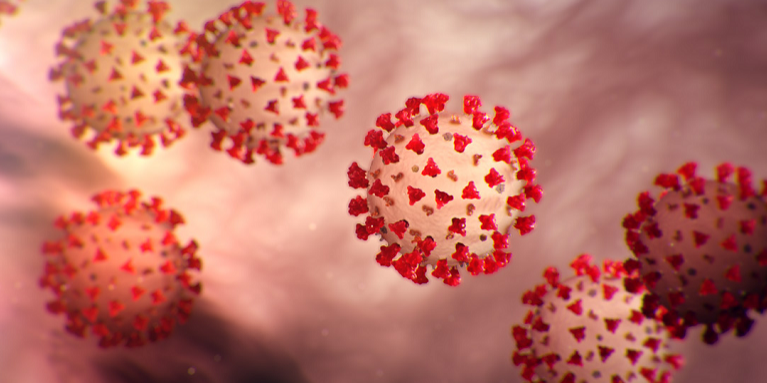
What Are Coronaviruses?
The virus that causes COVID-19 is a member of a large group known as coronaviruses, which infect both people and animals. They are called coronaviruses because the spikes that cover the outside of the virus reminded researchers of a crown. Corona means crown in Latin.
Most coronaviruses cause nothing worse than the common cold, but some can cause serious diseases, including severe acute respiratory syndrome (SARS), Middle East respiratory syndrome (MERS), and COVID-19.
Coronavirus Disease 2019 (COVID-19) was first identified in Wuhan, China, in 2019. The coronavirus that causes the disease is called SARS-CoV-2. More than 7 million people worldwide have died from COVID-19 since the start of the global pandemic.
SARS and MERS: COVID-19’s Cousins
Middle East respiratory syndrome (MERS) first appeared in Saudi Arabia and Jordan in 2012. More than 2,600 cases in 27 countries have been reported to the World Health Organization (WHO). Symptoms include fever, cough, and difficulty breathing. Pneumonia often develops. More than a third of the cases reported to WHO have died, but this probably overestimates how serious the disease is. WHO says many MERS infections are mild and are never reported.
Severe acute respiratory syndrome (SARS) came out of southern China in 2002. Health officials recorded about 8,000 cases and more than 770 deaths in 29 countries. High fever, headache, and muscle pain often were followed by a cough and breathing problems. Nearly 1 in 10 infected people died. The virus was contained in 2003 and has not reappeared.
A Quick Guide to COVID-19
How it spreads |
Tiny droplets and airborne particles released when people breathe, talk, sing, cough, or sneeze |
Common symptoms
Serious symptoms:
|
|
Impact |
|
Vaccine? |
Yes |
Can it be treated? |
Yes |
How Common or Serious is COVID-19?
COVID-19 is not the global health emergency it was a few years ago, but it is still a serious disease.
- Most people will recover fully, but COVID-19 can cause serious illness that leads to hospitalization or death.
- From October 2025 to April 2026, at least 3.8 million people in the US came down with COVID-19, 120,000 went to the hospital, and 12,000 died, according to preliminary estimates from the US Centers for Disease Control and Prevention (CDC).
- Up to 1 in 4 adults have symptoms that linger for months. Patients with what is known as Long COVID may have a wide range of symptoms, including cough, headaches, feeling tired, taste or smell problems, and trouble concentrating or remembering.
What Causes COVID-19?
The virus that causes COVID-19 is called SARS-CoV-2. It spreads in tiny drops that people release when they breathe, talk, sing, cough, or sneeze. The tiniest drops can float in the air.
People can spread the virus before they have symptoms.
What is Long COVID?
COVID-19 symptoms sometimes come back, or rebound, a few days after a patient recovers. Rebound symptoms are usually mild and go away in a few days.
Symptoms that last for 3 months or longer are known as Long COVID. It can happen to anyone who caught the virus, but it is more common in people who got very sick, especially if they were hospitalized. Long COVID is also more common in people with other health problems and those who have not been vaccinated.
Symptoms
Most people get infected with human strains of coronaviruses at some point in their lives. These illnesses usually last for a short amount of time, and symptoms may include:
- Fever
- Chills
- Cough
- Headache
- Runny nose
- Shortness of breath
- Sore throat
Additional symptoms have been reported with COVID-19. Coronaviruses can cause other more serious illnesses, such as pneumonia or bronchitis. This is more common in individuals with heart and lung disease, those with weakened immune systems, infants, and older adults.
Who is Most at Risk?
Anyone can get COVID-19, but some people are more likely to get very sick or die, including:
- People over age 65
- People with weakened immune systems
- People who have chronic health conditions such as heart disease, lung disease, kidney disease, diabetes, or obesity
Children under age 2 and pregnant women are also more likely to get very sick from COVID-19.
Prevention
The best way to protect against COVID-19 is to get vaccinated. People who get vaccinated may still get sick, but they are much less likely to get very sick, be hospitalized, or die.
Other steps to lower your chances of getting sick:
- Wash hands with soap and water for at least 20 seconds or use hand sanitizer
- Avoid touching your eyes, nose, and mouth
- Cover coughs and sneezes with a tissue
- Clean and disinfect objects and surfaces
- Avoid close contact with people who are sick
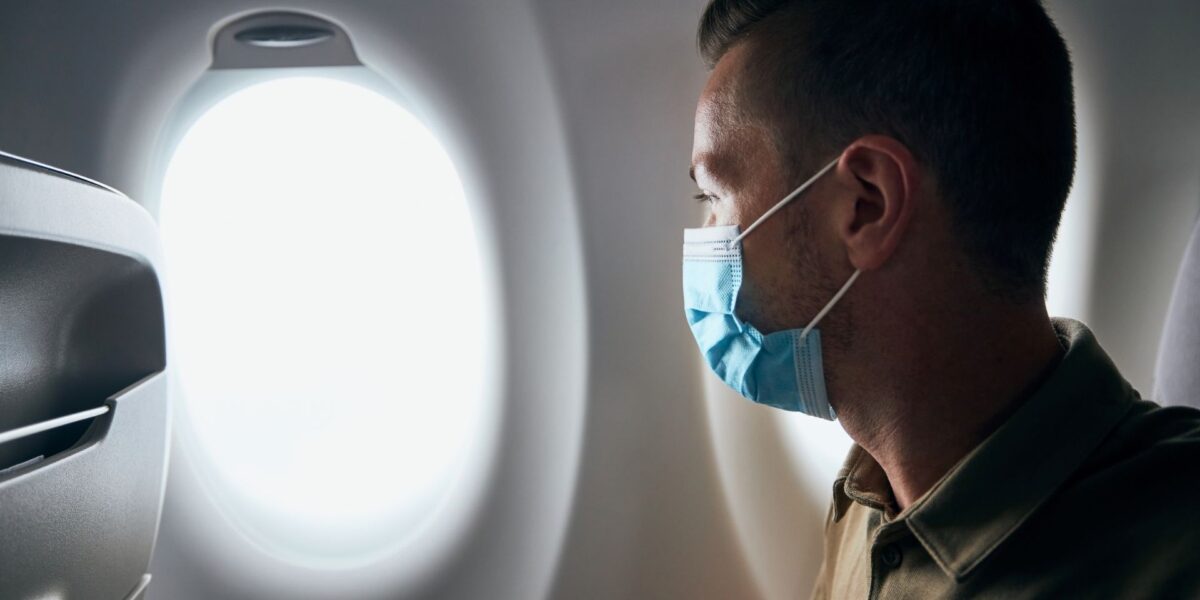
- Wear a face mask, particularly if you are at high risk for severe disease
- Take steps for cleaner air, such as opening windows or going outdoors
If you feel sick, stay home to avoid spreading disease to others.
Treatment
If you think you may have COVID-19, get tested. If you test positive, talk with a trusted healthcare professional to see if treatment is right for you.
Drugs to treat the disease need to be taken within a few days of when the illness starts. COVID-19 shares symptoms with many other diseases, and COVID drugs don’t work on them, so it’s important to get tested in order to get the right treatment.
Two pills have been shown to make COVID-19 illness less severe and last a shorter time period. Either one must be taken no more than 5 days after symptoms start.
- Nirmatrelvir with ritonavir
- Molnupiravir
To help relieve symptoms:
- Take pain and fever medications
- Use a humidifier or take a hot shower
- Drink plenty of liquids
- Stay home and rest
Reviewed and updated April 2026
Sources: Centers for Disease Control and Prevention, Food and Drug Administration, World Health Organization
Related Resources
Respiratory Immunization Updates: Protecting Maternal and Special Populations
In this recorded webinar, NFID hosts a discussion on the importance of respiratory vaccination among pregnant women and immunocompromised individuals …
2025 National Survey on Respiratory Diseases
The 2025 national survey examines attitudes and behaviors regarding flu, RSV, COVID-19, and pneumococcal disease.
2025-2026 US Respiratory Season Updates
In this recorded webinar, NFID hosts a discussion highlighting the importance of immunization to help protect against severe illness during the upcoming respiratory season …
Related Posts
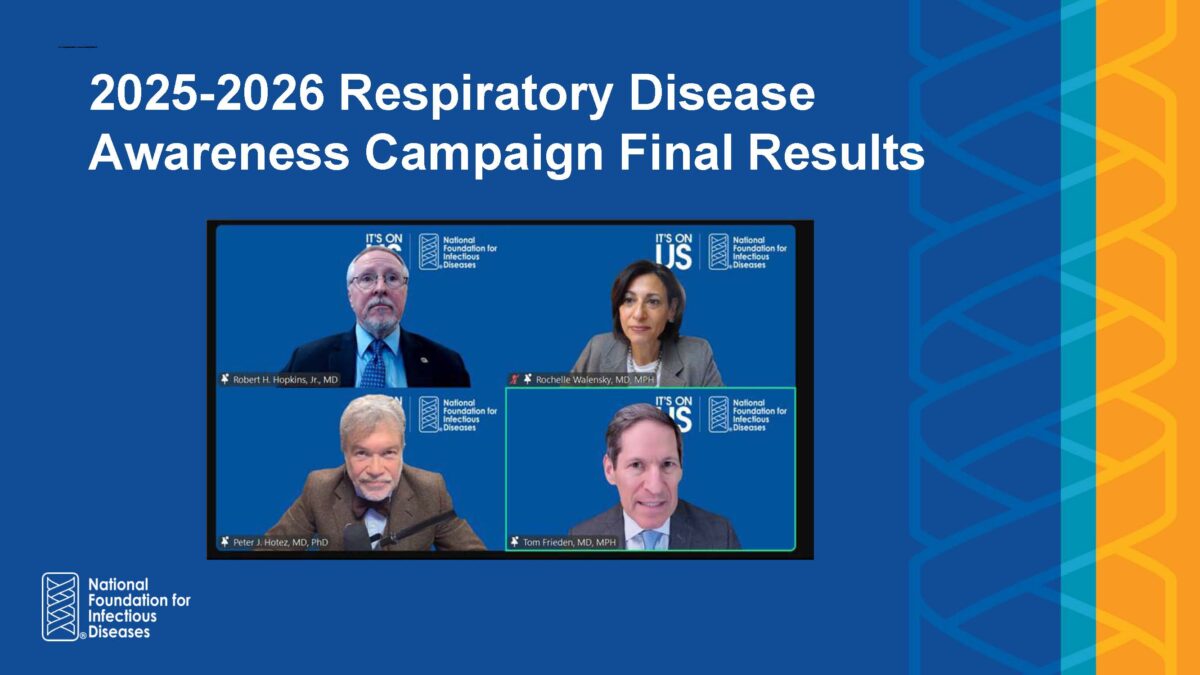
Advancing Prevention in a Complex Respiratory Season
2025–2026 Respiratory Campaign round-up: NFID and partners urge immunization to help protect against COVID-19, flu, RSV, and pneumococcal disease
News Round-Up: Public Health in Flux
News and expert insights on public health policy, outbreak response, and evolving risks across the US and globally

5 Reasons Why Vaccines Are Good for Your Heart
For people with heart disease, getting vaccinated is as important to staying healthy as diet and exercise