
From shifts in vaccine policy to measles outbreaks, respiratory virus activity, and a new COVID-19 variant, the infectious disease landscape constantly shifts. Read on for the latest news and expert insights on public health policy, outbreak response, and evolving risks across the US and globally.
Outbreaks: Measles, HMPV, and Polio
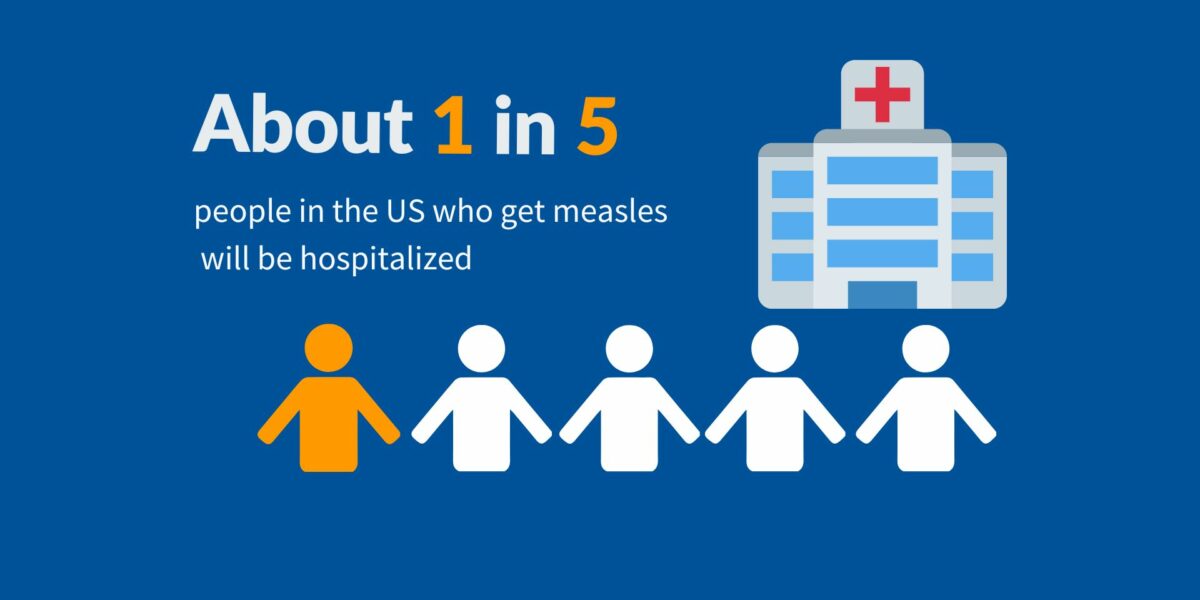
Measles in West Texas Federal Detention Center Reaches the Public: Measles cases in Texas’ federal detention facilities broke through to the public, infecting at least 4 El Paso residents who worked in one of the centers and potentially exposing the highly contagious disease to the wider population. “By definition, when more than 2 measles cases occur in a community where there should be 0 cases, this is an outbreak,” said Flor M. Muñoz, MD, MSc, National Foundation for Infectious Diseases (NFID) Board member and an associate professor at Baylor College of Medicine in Houston. “Lack of transparency and lack of understanding the urgency of the situation results in delayed care, further spread of disease, poor outbreak control, and unnecessary illness and potential death among the most vulnerable.” Source: The Texas Tribune
HMPV Detections Surge across US: Should You Be Worried? Cases of human metapneumovirus (HMPV), a virus which can cause respiratory illness, have been surging over the last few months. Octavio Ramilo, MD, chair in the Department of Infectious Diseases at St. Jude Children’s Research Hospital, said HMPV was initially described as causing the symptoms of respiratory tract infections similar to respiratory syncytial virus (RSV) in children, but soon it became “clear that it affects adults as well with significant impact on older adults, those with chronic conditions, and those living in nursing homes.” Unlike influenza or RSV, there is no vaccine or treatment that can prevent HMPV infection. Source: Newsweek
CDC Issues Travel Alert on Polio Risk in 32 Countries: The Centers for Disease Control and Prevention (CDC) put out an advisory recently urging Americans to take “enhanced” precautions if traveling to countries where the poliovirus appears to be circulating, including countries in Europe, Africa, and the Eastern Mediterranean. “Polio continues to be an issue and is an increasing issue in many countries of the world related primarily to decreases in vaccination,” says NFID Medical Director Robert H. Hopkins Jr., MD. “If you are fully vaccinated, your risk is extremely low — near zero — of getting a polio infection.” Source: Everyday Health
COVID-19
What is BA.3.2? What to know about COVID-19 Variant Dubbed ‘Cicada’: A COVID-19 variant that has remained undetected for years is catching the attention of health officials in the United States and abroad. First detected in a person traveling to the US in June 2025, it was nicknamed cicada after the rarely emerging insects because it has largely remained “underground” since discovery, said NFID Medical Director Hopkins. While mutations could mean existing COVID-19 boosters may not prevent infection as effectively, they can still offer protection against severe disease and death, especially as vaccine formulations catch up. Source: USA Today
Shingles
Shingles Rates Appear to Be Growing in Both Younger and Older Adults: While your likelihood of getting shingles if you are under 50 and overall healthy is still relatively low, those who live with a chronic health condition have a significantly higher risk, especially in times of stress. “You want to do what you can to keep your immune system strong, whether that’s through healthy habits like being physically active, eating well, and getting enough sleep,” says Dr. Hopkins. “Protect yourself with a vaccine if you are eligible—it’s a very helpful tool in helping to stop the negative effects of this disease.” Source: HealthCentral
RSV
RSV Is Still Surging in These 9 States, Hitting Kids Under 4 Hardest: Although cold and flu season is winding down in the United States, RSV activity still remains high in many parts of the country. RSV is a highly contagious virus that can infect the lungs and airways. It’s very common, especially among children. While most healthy people who get RSV recover on their own, the infection can become severe or deadly. Source: Today
RSV Springs Ahead: A later-than-expected rise in rates of RSV may keep respiratory infections on the radar into the spring, based on the latest data from the CDC. Clinicians need to continue to consider RSV in the differential diagnosis along with influenza and COVID-19 for patients of any age who present with respiratory illness, Hopkins said. The shift in seasonal prevalence of RSV will affect older adults as well as young children, he noted. “When more RSV is in a community, more disease is likely to occur in all age groups,” he said. Source: Medscape
Public Health Policy
A ‘Hijacked Plane’: CDC, Under RFK Jr.’s Influence: A series of controversial policy changes directed by the Health and Human Services (HHS) secretary have left experts fearful of the future implications for public health. The most impactful of those moves has been the reorganization of the Advisory Committee on Immunization Practices (ACIP), a crucial panel that issues vaccine guidance linked to insurance coverage. “We don’t really know what was going on behind the scenes, because there’s not been much transparency,” said Kevin A. Ault, MD, NFID vice president, who previously served on ACIP. Jeffery A. Goad, PharmD, MPH, NFID president and former liaison to one of the CDC work groups, called the move a “radical departure” from what was observed during previous presidential administrations. “CDC and ACIP have been in place and independent through every political change. It doesn’t matter what party is in power. The scientific process, the rigor, the independence of the CDC and ACIP has always been there,” he said. Source: BioPharma Dive
Op-Ed: The Report That Proves the Point—ACIP, COVID Vaccines, and Predetermined Conclusions: The ACIP meeting scheduled for March 2026 has been postponed. The committee, as currently constituted, cannot vote. In the meantime, a leaked work group report prepared for that meeting has been circulating. It deserves a careful response, not because every concern it raises is wrong, but because the document as a whole reveals something important about the process that produced it. Source: CIDRAP
To join the conversation and get the latest news on infectious diseases:
- Like and follow NFID on social media
- Listen and subscribe to the Infectious IDeas podcast
- Subscribe to receive future NFID Updates