
NFID President-Elect Kevin A. Ault, MD, reflects on the importance of immunizing his pregnant patients, as part of our series for National Immunization Awareness Month.
Several years ago, I was enrolling pregnant women for a clinical trial to prevent respiratory syncytial virus (RSV). RSV is a common cause of respiratory infections for infants and is the most common reason for newborns to be hospitalized during the first few years of life. When I talked with potential participants, I found pregnant women already knew a lot about RSV. Everyone had a child, niece, or friend’s newborn who’d had a harrowing late-night ER visit because of it. The overwhelming response was “sign me up.”
How Maternal Vaccination Protects Newborns From RSV
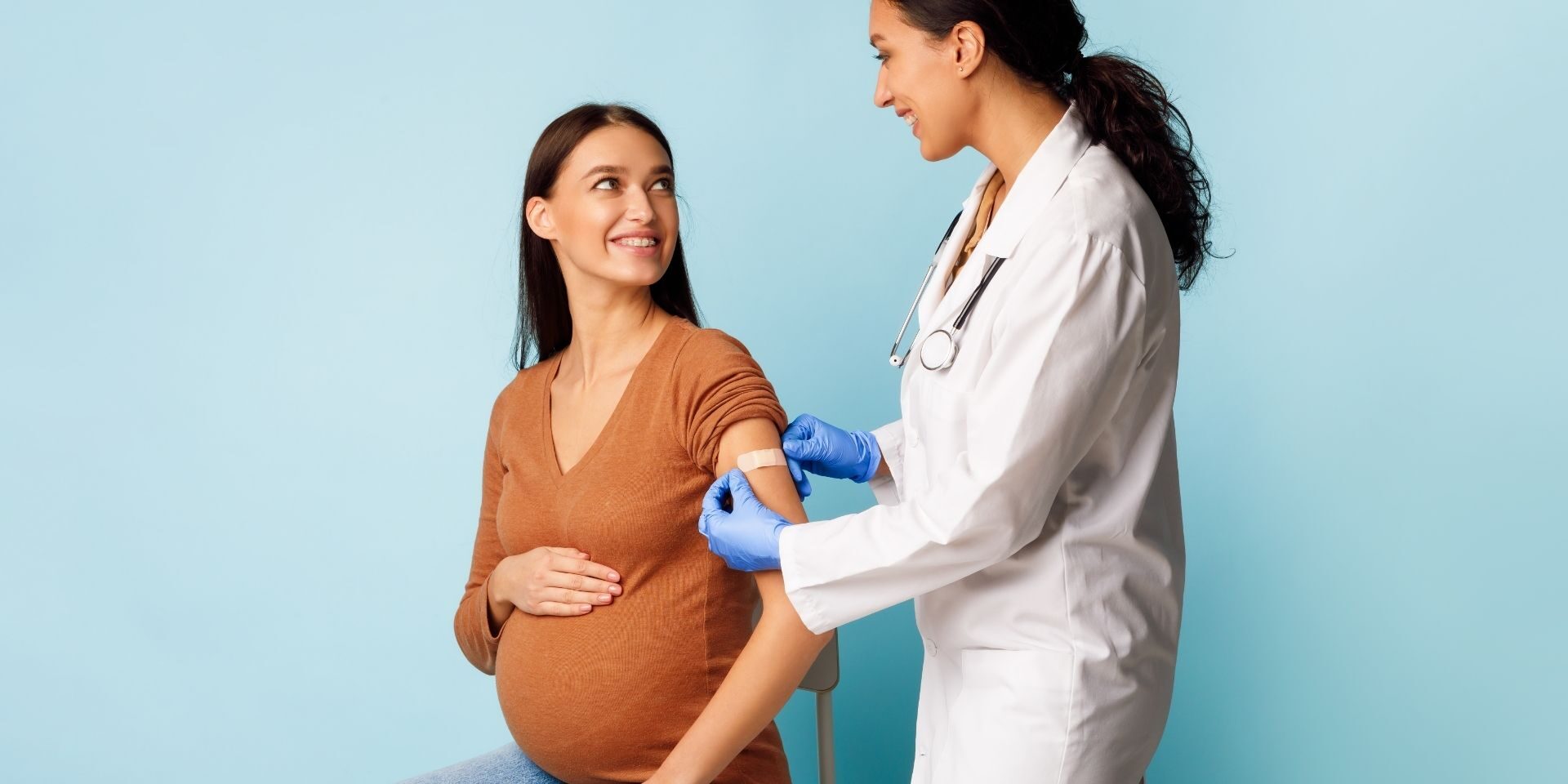
The goal of that trial, and multiple similar maternal immunization trials, was to vaccinate pregnant women to protect newborns. Antibodies from the mother cross the placenta and protect against RSV during those critical first few months of protection. In the first respiratory season after the approval of RSV vaccine for pregnant women, RSV hospitalizations for newborns dropped approximately 30 to 40% in the US. A more recent 2026 study published in JAMA Network Open found an almost 70% reduction in infant hospitalizations among pregnant women who were vaccinated against RSV.
There’s also more than one way to prevent RSV in infants: two monoclonal antibodies are available as well. Parents of young children should be talking now to their physicians and pediatric healthcare professionals about how to prevent RSV in the upcoming respiratory season.
What Vaccines Are Recommended During Pregnancy?
The American College of Obstetricians and Gynecologists (ACOG) has recently updated its clinical recommendations for maternal immunization, and the National Foundation for Infectious Diseases (NFID), along with numerous other organizations, has endorsed this guidance. Up to four vaccines may be recommended during pregnancy to prevent infections in newborns:
- RSV
- Influenza (flu)
- COVID-19, and
- Pertussis (also known as whooping cough)
These vaccines could prevent tens of thousands of hospitalizations in newborns every year in the US.
A New Vaccine on the Horizon: Group B Strep (GBS)
Another maternal vaccine is now in clinical trials, and this one has an NFID connection, too. On October 20, Shabir A. Madhi, MMed, PhD will be honored with the 2026 Maxwell Finland Award for Scientific Achievement. Professor Madhi and his colleagues recently published results from an early-stage trial of a vaccine for group B Streptococcus (also known as GBS). GBS rarely causes disease in adults, but in newborns it can cause serious infections—including sepsis, pneumonia, and meningitis—affecting about one infant out of every 2,000-3,000 newborns.
Talk to Your Healthcare Professional This Fall
August is National Immunization Awareness Month. Looking at the bigger picture of vaccines, maternal immunization is one of the areas where we have seen recent advances to prevent newborn infections during those first few vulnerable months of life. Talk with your obstetrician, midwife, family doctor, or other healthcare professional about which vaccines your family may need for the upcoming fall and winter respiratory season–and throughout the year.
NFID has resources to help you find out what vaccines you and your family need. To join the conversation and get the latest news on infectious diseases:
- Like and follow NFID on social media
- Listen and subscribe to the Infectious IDeas podcast
- Subscribe to receive future NFID Updates