
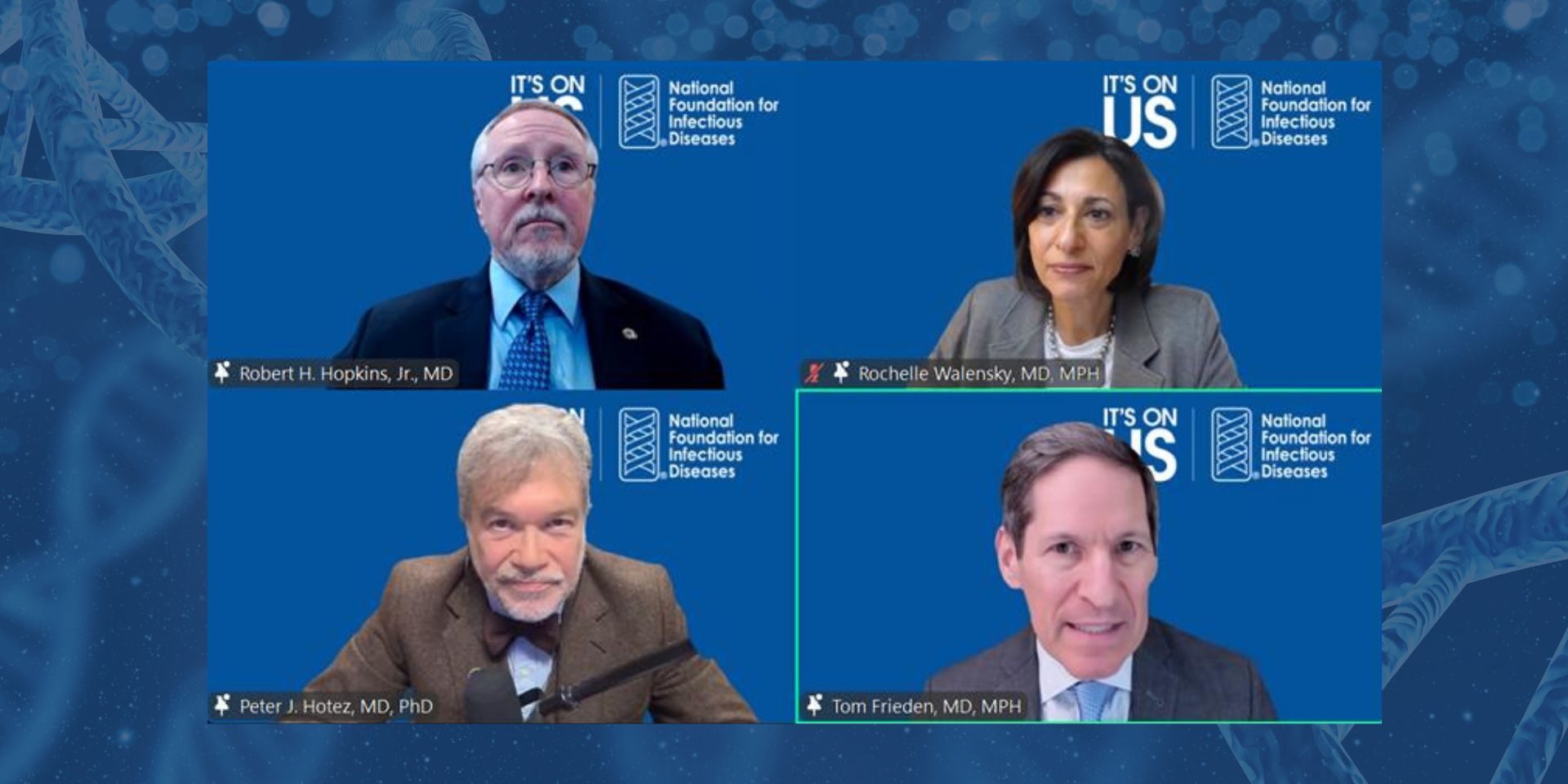
Survey Reveals Misconceptions about Vaccines and Declining Vaccination Rates
Bethesda, MD (December 3, 2025) — As respiratory viruses surge during the holiday season, the National Foundation for Infectious Diseases (NFID) is sounding the alarm: vaccination rates are declining, and misconceptions persist. At a news briefing today, experts unveiled new survey findings that reveal gaps in vaccine uptake and trust among US adults – underscoring the urgent need for clear guidance and action to increase vaccinations for influenza (flu), COVID-19, respiratory syncytial virus (RSV), and pneumococcal disease.
According to the NFID survey, among adults who have not received a flu vaccine this respiratory season, 16% expressed safety concerns about vaccine side effects, while 13% said they “never get sick.” Similar patterns emerged for COVID-19, with 20% citing worries about side effects and 12% saying no healthcare professional has recommended vaccination. For both flu and COVID-19, 12% of unvaccinated adults stated that vaccines don’t work very well and 12% are concerned about getting sick from vaccines.
These misunderstandings about vaccine safety and effectiveness come at a time when flu, RSV, and COVID-19 continue to cause tens of thousands of hospitalizations and deaths in the US every year, often among those who are unvaccinated, older adults, and people with chronic health conditions. NFID experts emphasized that vaccines remain the most effective tool to prevent severe illness and save lives – noting that serious complications from respiratory diseases can occur in anyone, even young, healthy individuals.
“Given how serious these diseases can be and how effective vaccines are at protecting against the worst outcomes, it’s disappointing to see misconceptions persist,” said Robert H. Hopkins, Jr., MD, NFID medical director. “I am confident enough in these vaccines that I have been vaccinated, as have all my family members. I encourage others to be immunized so they have the same protection I give to my family and to my patients.”
Recent data from IQVIA reinforce the NFID survey results, showing a year-over-year decline in vaccination rates. Vaccination rates from retail pharmacies have dropped since 2024, with a 27% decrease in COVID-19 vaccinations, 6% decrease in flu vaccinations, and 34% decrease in RSV vaccinations.
The NFID survey data also reveals generational divides in vaccine uptake and trust, with younger generations increasingly turning to social media as a trusted source for respiratory vaccine information. When asked who they trust the most for accurate information about vaccines for flu, COVID-19, RSV, or pneumococcal disease, the top source cited by 44% of US adults was their doctor, nurse, or pharmacist. Among Gen Z adults (defined as age 18-28 years), social media is the second-most trusted source for vaccine information, a concerning trend given the proliferation of vaccine misinformation online.
“Access to up-to-date and fact-based information around vaccines is one of the keys to bridging the gap between scientific knowledge and life-saving action,” said Tom Frieden, MD, MPH, founder and CEO of Resolve to Save Lives.
“We must remain rooted in science, which proves vaccines are the most effective tool to protect against COVID-19, RSV, influenza, and pneumococcal disease,” said Peter J. Hotez, MD, PhD, dean of the National School of Tropical Medicine at Baylor College of Medicine.
Although most US adults report that they are able to access vaccines in their area, nearly half (44%) do not feel that current guidance on which respiratory vaccines to receive this season is clear.
To help combat confusion, NFID is urging healthcare professionals and the public to rely on trusted sources and follow evidence-based recommendations for the 2025–2026 respiratory season:
- Annual flu vaccination for everyone age 6 months and older
- COVID-19 vaccination for those at high risk (including young children, pregnant women, older adults, and people with chronic health conditions), and anyone age 6 months and older who wants to be vaccinated against COVID-19
- RSV vaccination for pregnant women or RSV immunization (monoclonal antibody) for infants whose mothers did not receive an RSV vaccine during pregnancy; RSV vaccination for certain adults age 50-74 and all adults age 75 and older
- Pneumococcal vaccination for children younger than age 5 years, all adults age 50 years and older, and people with certain chronic health conditions or other risk factors
“Vaccines save lives, yet trust and vaccination rates are declining year-over-year. Progress happens when we take the time to understand how communities are thinking about vaccines and to provide them with the information they need to make healthy choices for them and their families. With genuine compassion and clear information, healthy practices become something people choose—not something imposed,” said Rochelle Walensky, MD, MPH, professor at Harvard University and co-founder and chief medical advisor for the Vaccine Integrity Project, which has compiled a detailed review of the evidence on respiratory vaccine safety and effectiveness.
The erosion of trust is reflected in vaccination patterns, which vary across political affiliation. The NFID survey found that Democrats (34%) are more likely than Republicans (20%) or Independents (19%) to have received an updated COVID-19 vaccine, and Democrats (41%) and Republicans (35%) are more likely than Independents (22%) to have received a flu vaccine this respiratory season. “The politicization of vaccination hurts everyone, because the viruses don’t care who you voted for,” said Hopkins.
Additional information about the NFID survey research and resources to help patients and healthcare professionals navigate this complex respiratory season are available at www.nfid.org/2025FluNews.
About the National Foundation for Infectious Diseases
Founded in 1973, the National Foundation for Infectious Diseases (NFID) is a non-profit 501(c)(3) organization dedicated to educating and engaging the public, communities, and healthcare professionals about infectious diseases across the lifespan. NFID has a 4-star rating from Charity Navigator and has earned a Platinum transparency seal from Candid/GuideStar. For more information, and to access trusted science-based resources on immunization for both healthcare professionals and the public, visit www.nfid.org.
This news briefing series is sponsored by NFID in collaboration with professional societies and patient advocacy partners, and unrestricted educational grants from AstraZeneca, Sanofi Pasteur Inc., and Seqirus USA Inc. NFID policies prohibit funders from controlling program content.
About the NFID Survey Methodology
The NFID survey was conducted online by Big Village from November 10-12, 2025, among a nationally representative sample of 1,015 US adults age 18 and older. Respondents were selected from a pool of volunteers for online surveys, and the data were weighted by age, sex, geographic region, race, and education to accurately reflect the US adult population based on Census data. Each respondent received a single weighting factor to ensure demographic representation, and both weighted and unweighted results are reported. As with all sample surveys, results may be subject to various sources of error, including sampling, coverage, nonresponse, and post-survey adjustments.
About the IQVIA Data
IQVIA’s National Prescription Audit (NPA) provides comprehensive insights into U.S. prescription activity across retail, mail service, and long-term care channels. It captures outpatient retail prescription transactions, projecting to represent the full universe of prescription demand. This data does not include all vaccination data, including any vaccination data from hospitals, clinics, providers or other non-retail locations.
Media Contact: NFID@apcoworldwide.com
Recent Press Releases
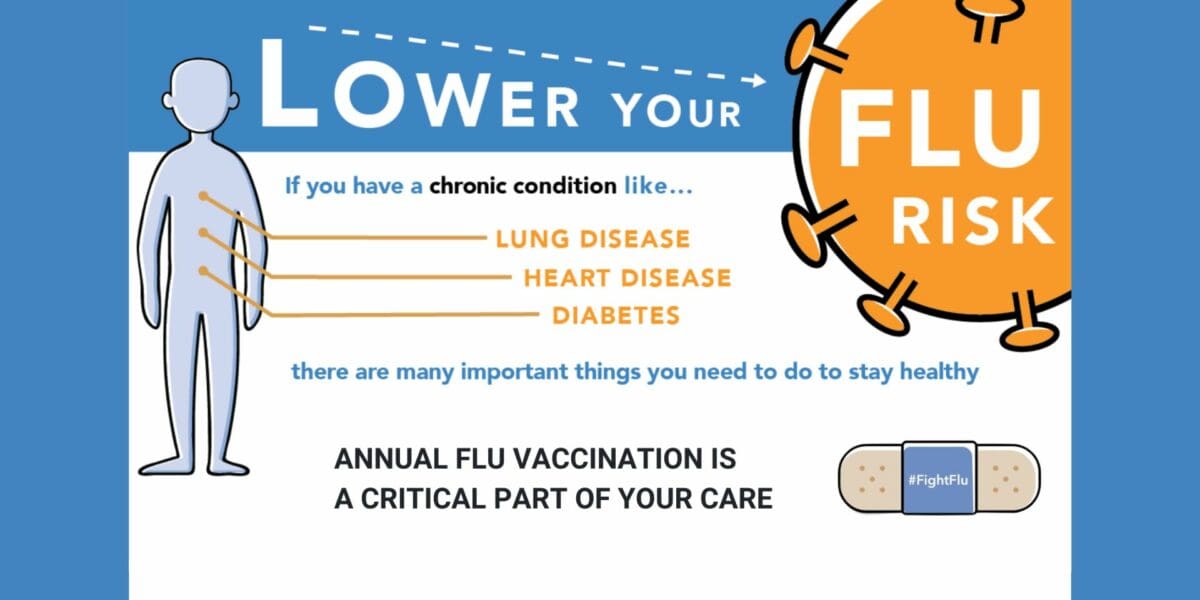
National Health Organizations: Flu Shots Critical for Individuals with Diabetes, Heart, and Lung Disease
During National Influenza Vaccination Week, experts encourage everyone age 6 months and older to get vaccinated to reduce risk of severe illness and hospitalization
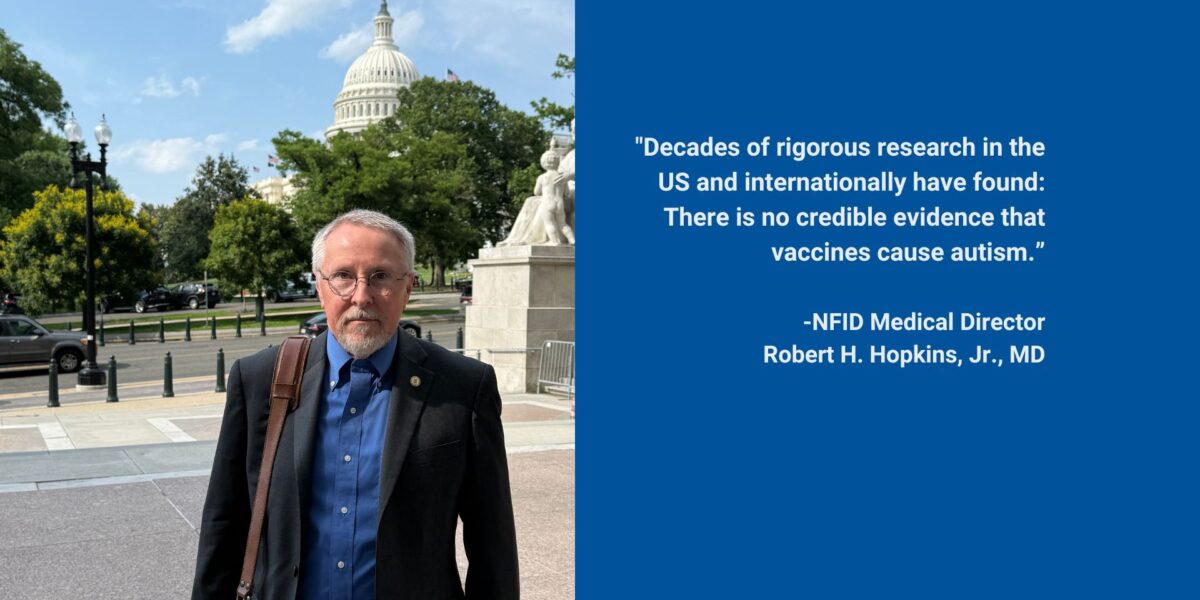
NFID Calls for Scientific Integrity and Transparency in CDC Communications
Decades of rigorous research in the US and internationally have found no credible evidence that vaccines cause autism.
Medical Experts Urge Pregnant Women and Families to Talk with a Trusted Healthcare Professional about Respiratory Disease Prevention
Amid evolving and sometimes conflicting vaccine guidance, NFID kicks off its Respiratory Season News Briefing Series to help families facing tough decisions about their health