
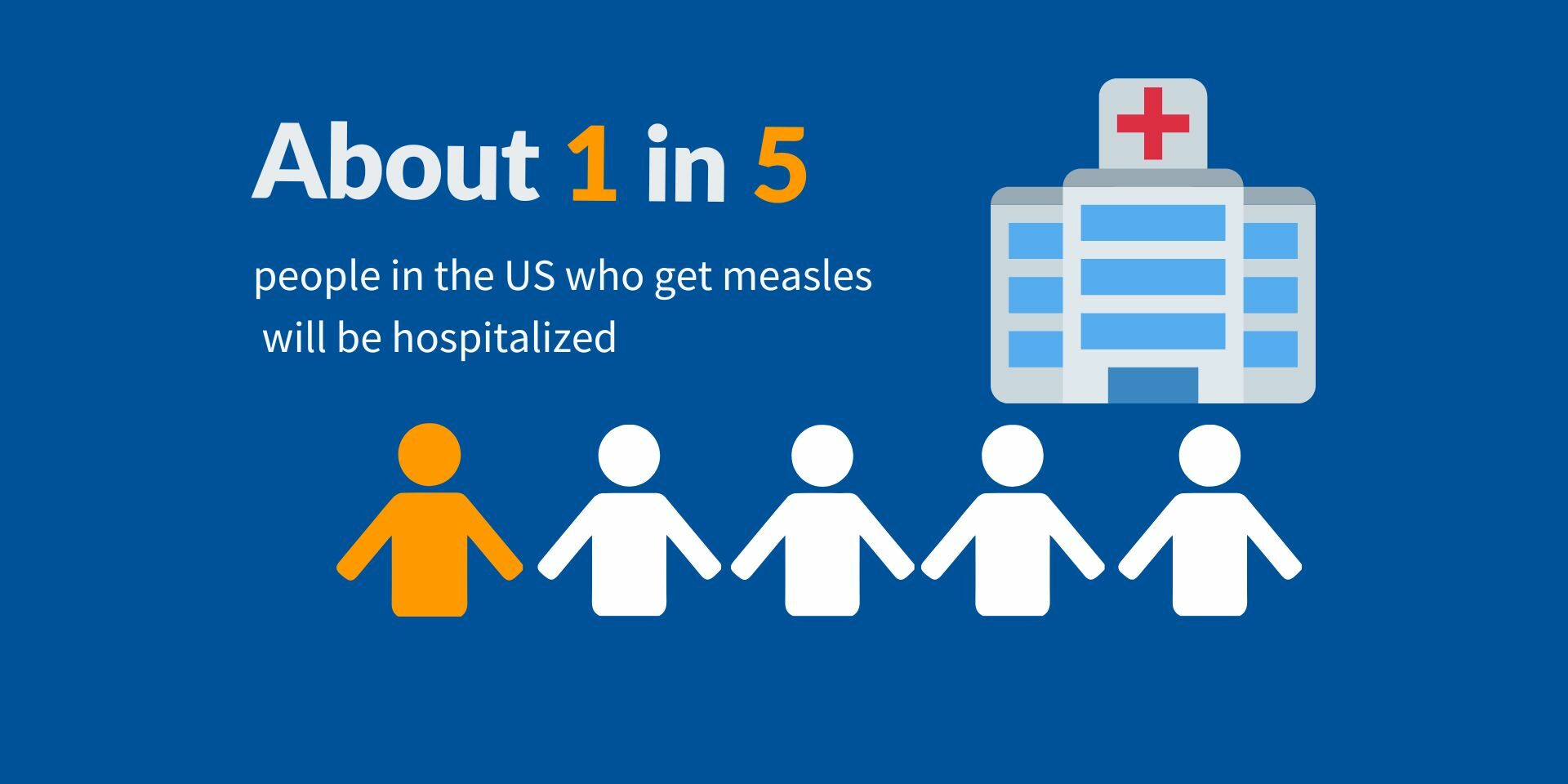
From changes to immunization schedules to resurging measles outbreaks, a prolonged influenza (flu) season, and renewed debate over COVID-19 vaccines, the infectious disease landscape is shifting rapidly. Read on for recent news and expert insights on COVID-19, flu, measles, outbreak preparedness, and vaccine policy—including growing concerns about data gaps, divergent immunization recommendations, and the real-world consequences for public health.
Immunization Schedules
Clinicians Unite Behind AAP Vaccine Schedule: The American Academy of Pediatrics’ childhood immunization schedule for 2026 preserves recommendations for vaccines that are no longer universally recommended under the Department of Health and Human Services (HHS’s) overhaul of the Centers for Disease Control and Prevention (CDC) schedule. “We used to partner very closely with CDC to create a unified or harmonized set of vaccine recommendations, but recent changes are a strong departure from medical evidence and no longer offer the optimal way to prevent illness in children,” Sean T. O’Leary, MD, MPH, professor of pediatrics and infectious diseases at the University of Colorado Denver Anschutz Medical Campus and Children’s Hospital Colorado, told reporters during a press conference. Twelve medical professional organizations endorsed the AAP schedule. Source: Healio
CDC and AAP Are Split on 2026’s Vaccination Schedule: The AAP’s stance is simple. “Comparing the US childhood immunization schedule to that of Denmark or other countries,” as the CDC said it did in paring back its recommendations, “ignores fundamental differences in population size, diversity, healthcare access, and infectious disease risk,” said Robert H. Hopkins, Jr., MD, medical director of the National Foundation for Infectious Diseases (NFID), in a statement. “These differences matter. US immunization policies must be guided by a transparent, evidence-based process and grounded in US epidemiology and real-world risk.” Source: She Knows
Maternal Immunization, Following the Correct Recommendations: Kevin A. Ault, MD, vice president of NFID, explains the importance of data- and evidence-based guidance, such as that of the American College of Obstetricians and Gynecologists (ACOG), for maternal immunization recommendations. “If you’re a midwife or a family physician or an obstetrician recommending vaccines, your patients really want to hear your opinion and what you have to say above all the noise,” he said. “Fortunately for us, ACOG has updated all its recommendations at the beginning of respiratory season.” Source: Contemporary OB/GYN
Measles and Other Outbreaks
Can I Get Measles if I’m Vaccinated? As measles infections become the new normal, with outbreaks occurring around the US and cases reported in 44 states in 2025, you may be wondering: Can I get measles if I’m vaccinated? “You can still get measles if vaccinated, but it’s very rare,” says Walter Orenstein, MD, associate director of the Emory Vaccine Center in Atlanta and NFID past president. Still, some people who are vaccinated may need a booster shot. Source: Everyday Health
US Health Tracking Lapses Risk Future Outbreaks, Experts Warn: The US is more vulnerable to future outbreaks, pandemics, and health crises due to a breakdown in federal disease tracking, a new study says. Nearly half of once-routinely updated health surveillance databases maintained by CDC stopped or delayed updates in 2025, researchers report in the Annals of Internal Medicine. “Without routine updates, state and local health departments would have less timely and reliable data to detect outbreaks early and respond quickly—especially in communities with lower vaccination rates,” said NFID Medical Director Robert H. Hopkins Jr., MD. “Over time, gaps in data could limit the CDC’s ability to assess emerging threats and coordinate an effective response, making it harder to protect public health and potentially undermining public confidence in the healthcare system.” Source: HealthDay
Influenza (Flu)
Feeling Sick? Bad Flu Season Gets Worse as a ‘Second Peak’ Looms: The US isn’t out of a severe flu season yet as more children are getting infected. Cases across the country appeared to decline before the latest CDC data showed upticks in infections. “We’re not out of the flu winter yet,” said William Schaffner, MD, professor of infectious diseases at Vanderbilt University Medical Center. The United States’ dominant influenza A(H3N2) strain had mutations with a subclade K to make it highly transmissible, sparking a relatively severe flu season. Flu vaccines provided some protection, particularly against severe infections, Schaffner said. But the other influenza B strain has been smoldering. Source: USA Today
Why the Flu Season Isn’t Over Yet: As flu activity typically rises again in late winter, infectious disease experts explain which strains are circulating, how the vaccine performs—even when it’s not a perfect match—and why protection still matters. “As long as flu viruses are circulating in your community, it’s not too late to get vaccinated. Right now, we are seeing elevated levels of flu activity throughout the country,” said Patricia (Patsy) A. Stinchfield, RN, MS, CPNP, immediate past-president of NFID. Source: Mpls.St.Paul Magazine
Is the Flu Vaccine Linked to Dysphonia? Here’s What the Science Says: Longtime vaccine skeptic and HHS Secretary Robert F. Kennedy, Jr., reportedly believes routine influenza vaccines may have triggered his spasmodic dysphonia—a neurological condition that affects the vocal cords and a person’s ability to speak. But the claim is unsupported by evidence, experts say. The comments are “one more assault on vaccine confidence,” says NFID Medical Director Robert H. Hopkins, Jr., MD. “We do not have any known linkage between flu vaccine and voice disorders like this.” The Dystonia Medical Research Foundation, meanwhile, says that there is “no evidence” that vaccines cause the condition. “In contrast, preliminary research suggests certain vaccinations may actually be protective against certain forms of dystonia,” the organization states. Source: Scientific American
COVID-19
Debate Over COVID-19 Vaccines Raises Alarms for Infection Prevention and Public Health: Reports that the administration is weighing whether to remove COVID-19 vaccines from the US market have sent shockwaves through the infection prevention and public health communities. The discussion follows public comments from members of the Advisory Committee on Immunization Practices (ACIP) calling for mRNA vaccines to be pulled entirely. While no formal action has been taken, the implications of such a move would extend far beyond COVID-19 alone. “This is the kind of moment where we need to slow down and return to the evidence,” said Jeffery A. Goad, PharmD, MPH, NFID president and a professor of pharmacy practice at Chapman University in Irvine, CA. “The evidence is clear from both CDC data and the published literature that COVID-19 vaccines are safe and effective, and nothing has changed.” Source: Infection Control Today
In the COVID Vaccine Debate, Administration Leaders Are Not Aligned: Some administration officials are at odds with others who are helping shape vaccine policy over whether to remove COVID-19 vaccines from the US market. The elevation of longtime vaccine critics to positions of influence in the ACIP is “unfortunate,” according to NFID Medical Director Robert H. Hopkins, Jr., MD. “These vaccines have saved millions of lives, and they remain important because we continue to see tens of thousands of hospitalizations a year,” Hopkins said. “We continue to see deaths every year from COVID-19. We have seen a decline in severe outcomes from COVID and deaths, year over year. But there is no guarantee that’s going to continue.” Source: Fierce Pharma
To join the conversation and get the latest news on infectious diseases:
- Like and follow NFID on social media
- Listen and subscribe to the Infectious IDeas podcast
- Subscribe to receive future NFID Updates