
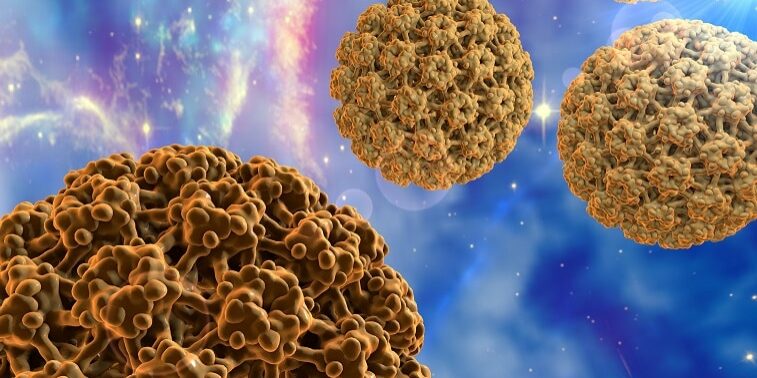
What is HPV?
Human papillomavirus (HPV) is a group of more than 100 viruses that are usually spread through sexual contact. HPV is very common and can infect the skin, genital tract, and throat. While most HPV infections cause no symptoms and go away on their own, some types can lead to genital warts and certain cancers in both females and males.
Most people who are infected do not have symptoms and may not know they have HPV. Most new infections occur in teens and young adults, often soon after becoming sexually active.
Although most HPV infections clear on their own within about 2 years, some infections persist. Persistent HPV infection can cause cancer over time. HPV causes almost all cervical cancer in the United States and most cancers of the vulva, vagina, penis, anus, and back of the throat (oropharynx). The most common HPV-related cancer is oropharyngeal cancer, which occurs more often in men.
People can spread HPV even if they have no symptoms and even if they were infected years earlier.
How Serious or Common Is HPV?
HPV is one of the most common viral infections in the United States. Each year in the US:
- More than 27,000 women and 22,000 men are affected by cancers caused by HPV
- About 4,000 women die from cervical cancer
- More than 17,000 men are diagnosed with an HPV-related cancer of the back of the throat
Before HPV vaccines were introduced, roughly 340,000-360,000 women and men saw a healthcare professional for management of genital warts caused by HPV every year.
The Centers for Disease Control and Prevention (CDC) estimates that more than 42 million people in the US are infected with HPV, including about 13 million new infections each year.
Symptoms of HPV
Many people infected with HPV do not have any symptoms.
Some HPV types can cause genital warts. Genital warts usually appear as a bump or group of bumps in the genital area. They can be small or large, raised or flat, or shaped like a cauliflower. A healthcare professional can usually diagnose warts by examining the genital area.
Other types of HPV can lead to cancer.
Preventing HPV
HPV vaccination is the most effective way to prevent HPV-related cancers.
The American Academy of Pediatrics (AAP) recommends getting the HPV vaccine starting when your child is between the ages of 9 and 12 years. According to AAP, getting vaccinated during this time helps the immune system build strong protection against HPV-related diseases later in life, including cancer.
Some studies suggest that one dose of the HPV vaccine may provide protection for girls, but this research is still limited.
The American Academy of Family Physicians (AAFP) recommends HPV vaccination for everyone through age 26 years, if not vaccinated already. Adults age 27-45 years should talk with a healthcare professional about whether HPV vaccination is right for them and if they are likely to benefit from vaccination.
People who already have had an HPV infection should still get vaccinated because the vaccine may protect against other HPV types; however, for maximum benefit, people should get vaccinated before they become sexually active and are exposed to the virus.
Research from countries with high HPV vaccination rates shows that cervical cancer has nearly been eliminated in those places. Other studies show that healthcare professionals can improve HPV vaccination rates by:
- Making a strong recommendation for HPV vaccination
- Bundling HPV vaccination with other routine vaccines for that age group (such as Tdap and meningococcal vaccines)
- Clearly communicating that HPV vaccination helps prevent cancer
HPV Testing
Women should start getting regular Pap tests at age 21. Women age 30 years and older should talk with a healthcare professional about testing options.
HPV Vaccine Safety
HPV vaccines are safe and effective. The vaccines have been tested in thousands of individuals around the world and studies have shown no serious side effects. The most common side effects are usually mild and include soreness at the injection site, fever, headache, and nausea.
Individuals sometimes faint after medical procedures, including vaccination. Tell your healthcare professional if you feel dizzy or have vision changes or ringing in the ears.
For more information, view HPV Vaccine Safety and Effectiveness Data.
Why not wait and give the HPV vaccine later in life?
Most HPV infections occur during the teen and young adult years. Once a person is infected, the HPV vaccine cannot eliminate the virus.
For people with persistent HPV infection, it can take 15–20 years for cancer to develop in those with healthy immune systems and 5–10 years in people with weakened immune systems. Vaccinating before exposure to HPV provides the best protection. Studies also show that vaccination is more effective when given at younger ages.
Treatment
There is no treatment for HPV itself. However, treatments are available for health problems caused by HPV, including genital warts and certain cancers.
Talk with a healthcare professional about the best treatment options.
Reviewed and updated January 2026
Sources: American Academy of Pediatrics, American Academy of Family Physicians, Centers for Disease Control and Prevention
Related Resources
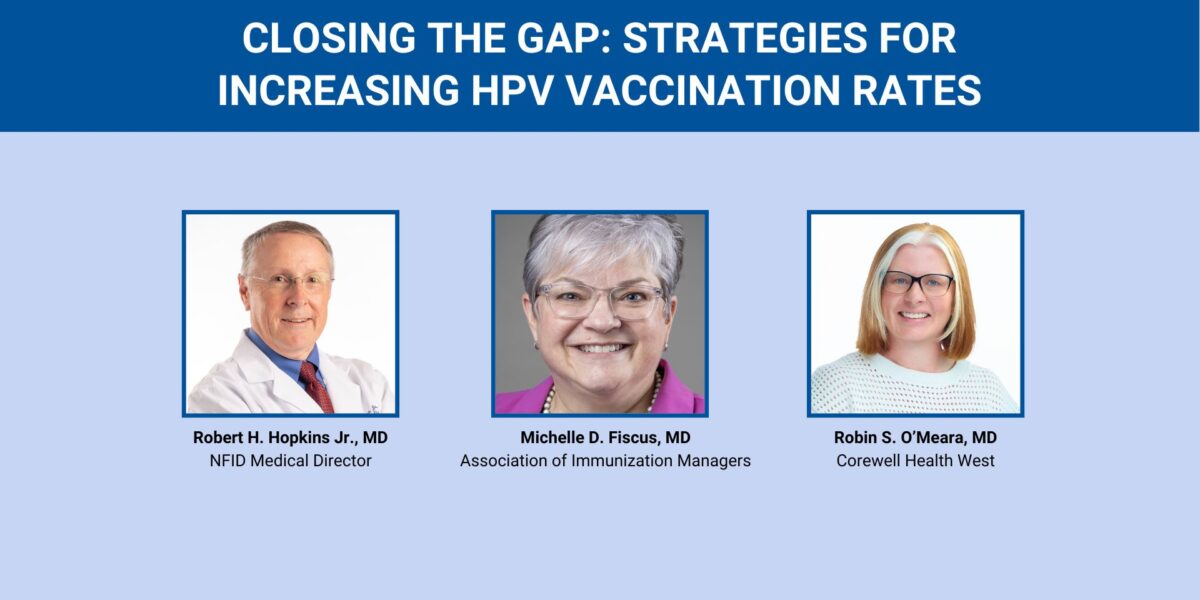
Closing the Gap: Strategies for Increasing HPV Vaccination Rates
In this recorded webinar, NFID hosts a discussion on strategies to increase human papillomavirus (HPV) vaccination rates in the US

Lindsay’s Story (HPV)
After being diagnosed with cervical cancer, Lindsay became dedicated to raising awareness about cancer prevention and HPV vaccination
Related Posts
The Key to Preventing Cervical Cancer
January is Cervical Cancer Health Month, an important time to raise awareness and empower individuals to protect themselves against this often preventable type of cancer

ID News Round-Up: Bird Flu, COVID-19, HPV, and Norovirus
Read recent news of interest from the world of infectious diseases including insights and explanations on bird flu, COVID-19, HPV, and norovirus …
2 Simple Steps to Prevent Cervical Cancer
Vaccination helps protect against cervical cancer and other cancers caused by HPV