
Robert H. Hopkins, Jr., MD, medical director of the National Foundation for Infectious Diseases (NFID), shares guidance for families as National Immunization Awareness Month 2026 gets underway.
One of the most important steps families can take before the new school year is making sure children—and the entire family—are up to date on back-to-school vaccines. Vaccines help protect students from illnesses that spread easily in the classroom, keep families healthy, and support a smooth start to the school year.
We’re still in the middle of a busy summer, with many families spending their days at the beach, in the woods, or traveling. It may seem early to think about school, but checking immunization records now—before the back-to-school rush—makes it easier to schedule appointments and gather paperwork ahead of any deadlines.
Why Are Vaccines Important Before School Starts?
Vaccines protect students from diseases that spread easily in classrooms—including measles, whooping cough, and chickenpox—conditions that can cause serious health problems and interrupt learning.
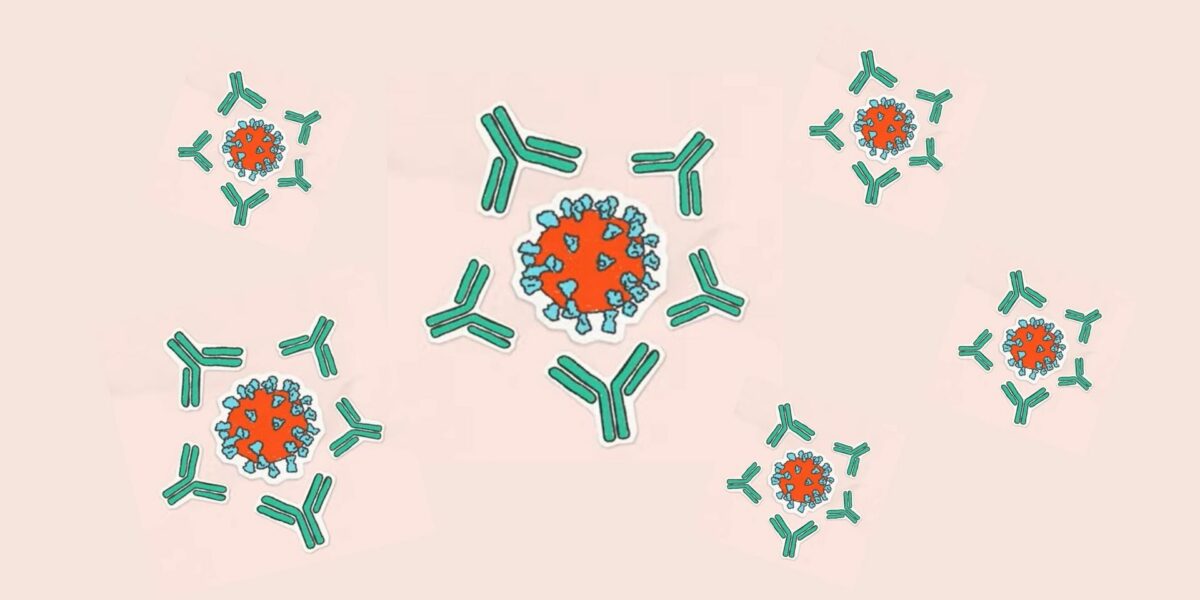
Immunizations protect not only the child who is vaccinated, but also reduce risk for family members and the broader community, including people who cannot be vaccinated due to age or medical conditions. This concept, known as community immunity, reduces the likelihood of outbreaks.
Community immunity matters now more than ever: We’ve seen an increase in measles, whooping cough, and other vaccine-preventable diseases over the past couple of years, driven in part by declining immunization rates in some communities. While we cannot control the choices others make, we can help protect our own families by staying up to date on immunizations.
What Are School Vaccine Requirements?
Many schools require proof of certain vaccinations before enrollment. These requirements are based on public health evidence showing that vaccinated school populations experience fewer illnesses, fewer absences, and better overall academic continuity.
Daycares, colleges, and some workplaces also have immunization requirements. But beyond the rules, getting immunized to protect yourself, your friends, family, and community is just good common sense.
What Vaccines Do Kids Need for School?
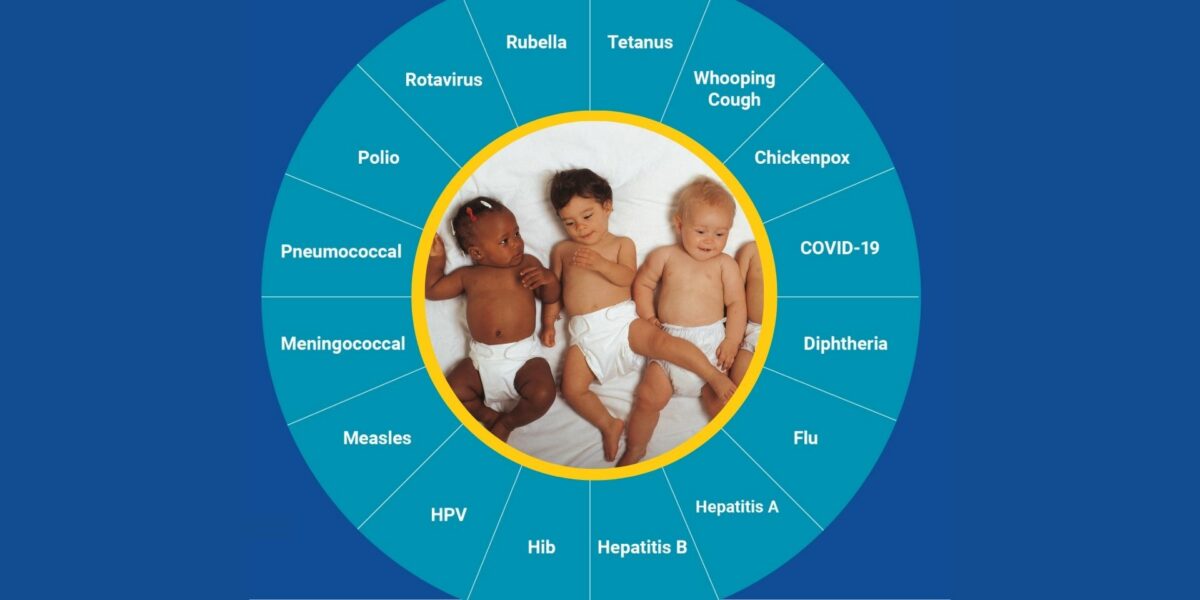
Commonly required or recommended vaccines for school-aged children and teens include DTaP/Tdap, MMR, varicella, polio, meningococcal, HPV, and annual flu and COVID-19 vaccines. Requirements vary by location, so check with your school or state health department for specifics.
- DTaP/Tdap – Diphtheria, tetanus, and pertussis (whooping cough)
- MMR – Measles, mumps, and rubella
- Varicella – Chickenpox
- Polio – Poliomyelitis
- Meningococcal – To protect preteens, teens, and college students from meningitis and other serious infections
- HPV – To protect preteens and teens from human papillomavirus, which can cause cancer
- Annual Influenza (Flu) Vaccine – For children age 6 months and older
- COVID-19 Vaccine – For children age 6 months and older
A healthcare professional can confirm which vaccines your family needs based on age, health history, and local rules and regulations.
How Do I Schedule Back-to-School Vaccinations?
Setting up an appointment with your healthcare professional before the start of school helps make sure your children are healthy and ready for a fun and productive year. Many community health centers, local health departments, and school-based clinics also offer free or low-cost vaccinations.
Scheduling immunizations before the first day of school helps ensure a smooth start to the academic year. Immunizations are a proven, safe, and effective way to help protect children’s health and maintain a healthy school environment. Confirming that vaccinations are current is an essential back-to-school step for every family.
Back-to-School Immunization Checklist for Parents
(Print and keep for your records)
Step 1: Review Your Child’s Immunization Record
[ ] Find your child’s vaccination record.
[ ] Compare the vaccination record with your state’s school immunization requirements.
Step 2: Confirm Required Vaccines Are Up to Date
[ ] DTaP/Tdap – Diphtheria, tetanus, pertussis
[ ] MMR – Measles, mumps, rubella
[ ] Varicella – Chickenpox
[ ] Polio – Poliomyelitis
[ ] Meningococcal – Meningitis protection (preteens/teens)
[ ] HPV – Human papillomavirus (preteens/teens)
[ ] Annual Influenza (Flu) Vaccine – Recommended for all school-aged children
[ ] COVID-19 Vaccine – If recommended for your child’s age group; available for children age 6 months and older
Step 3: Schedule Appointments Early
[ ] Book a visit with your child’s healthcare professional or office.
[ ] Ask about combination vaccines to reduce the number of shots.
[ ] Bring your child’s immunization record to the appointment.
Step 4: Keep Documentation Handy
[ ] Request an updated immunization record after the visit.
[ ] Submit required forms to your child’s school before the deadline.
[ ] Keep a copy for your own records.
Step 5: Stay Informed
[ ] Sign up for reminders from your healthcare professional.
[ ] Check for updates to school or state vaccine requirements each year.
Frequently Asked Questions
Are flu and COVID-19 vaccines required for school?
Requirements vary by state and school district. Annual flu and COVID-19 vaccines are recommended for children age 6 months and older, but they are not required nationwide—check with your local school or health department for specific rules.
What is “community immunity” and why does it matter?
Community immunity happens when enough people in a community are vaccinated that it becomes harder for a disease to spread, which helps protect people who cannot be vaccinated due to age or medical conditions.
Where can I get low-cost or free vaccines for my child?
Many community health centers, local health departments, and school-based clinics offer free or low-cost vaccinations—contact your local health department to find options near you.
What if my child is behind on required vaccines?
Talk with your child’s healthcare professional, who can create a catch-up schedule and may recommend combination vaccines to reduce the number of shots needed.
NFID has resources to help you find out what vaccines you and your family need. To join the conversation and get the latest news on infectious diseases:
- Like and follow NFID on social media
- Listen and subscribe to the Infectious IDeas podcast
- Subscribe to receive future NFID Updates