
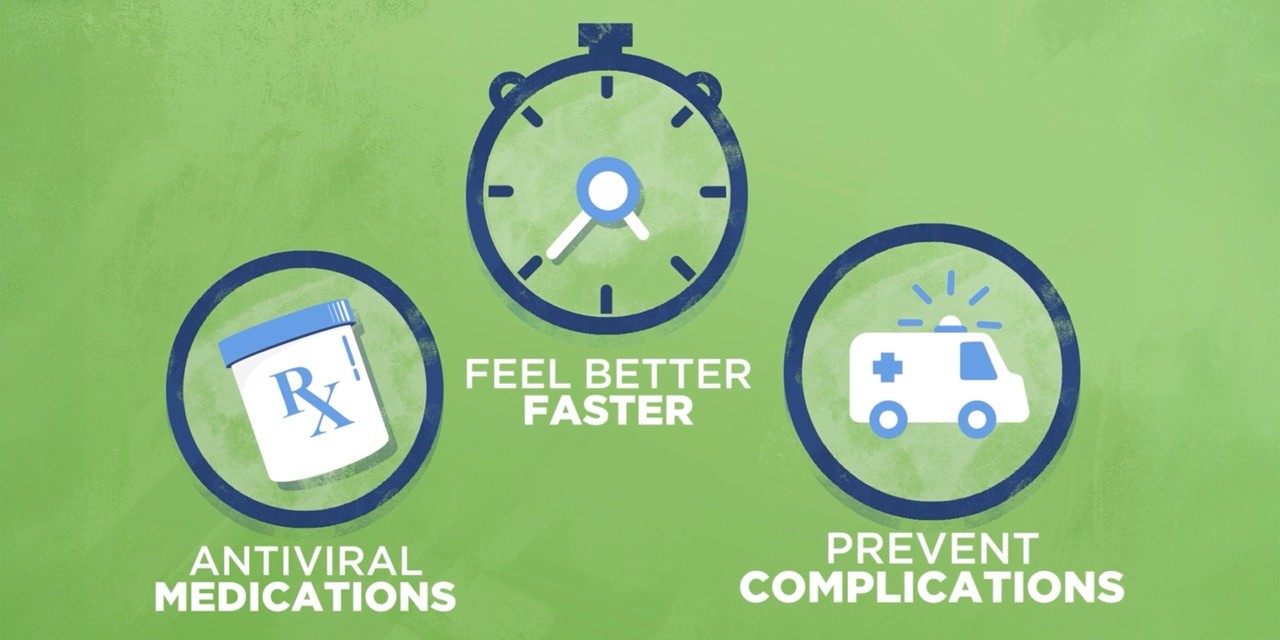
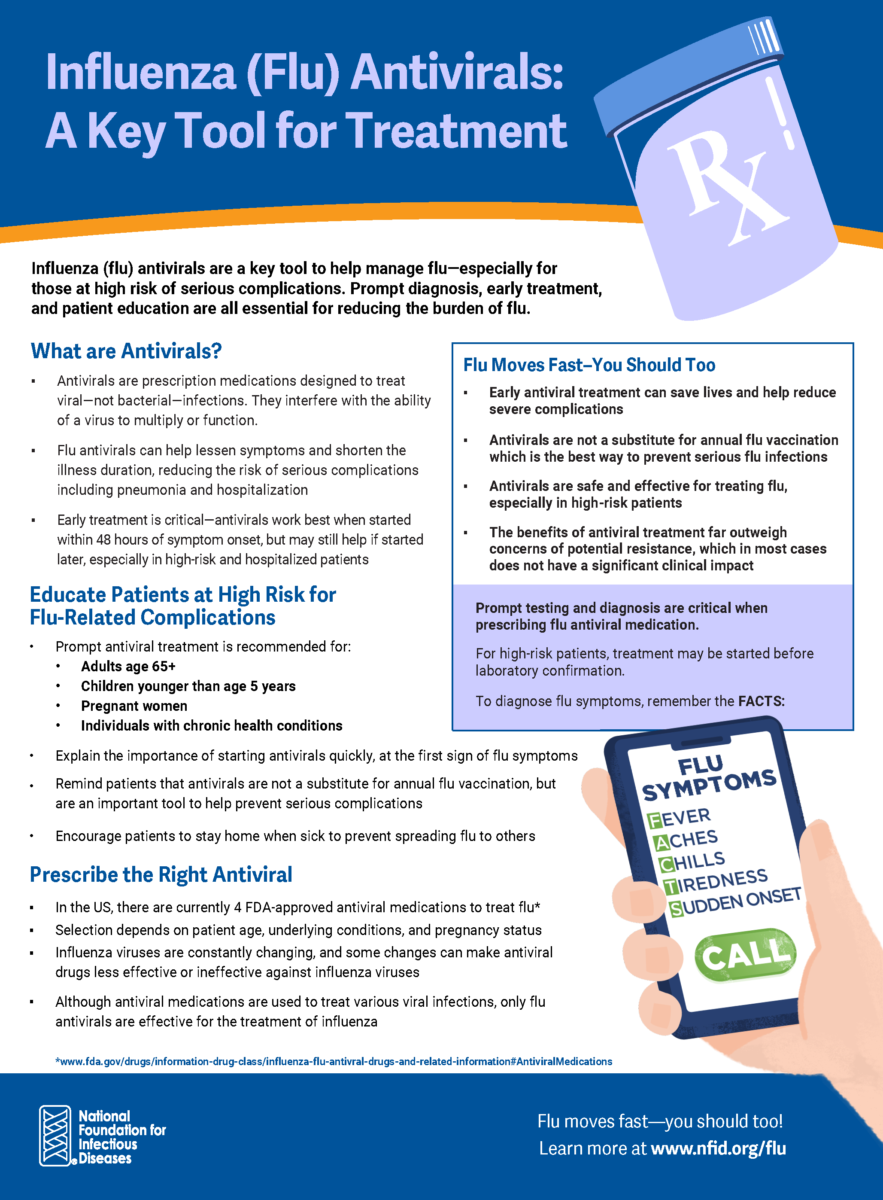
Influenza (flu) antivirals are a key tool to help manage flu—especially for those at high risk of serious complications. Prompt diagnosis, early treatment, and patient education are all essential for reducing the burden of flu.
This NFID fact sheet provides information on how and when to treat flu.
Reviewed December 2025
Related Resources
2026 National Survey on Respiratory Diseases
The 2026 national survey examines attitudes and behaviors regarding flu, RSV, COVID-19, and pneumococcal disease.
2025 National Survey on Respiratory Diseases
The 2025 national survey examines attitudes and behaviors regarding flu, RSV, COVID-19, and pneumococcal disease.
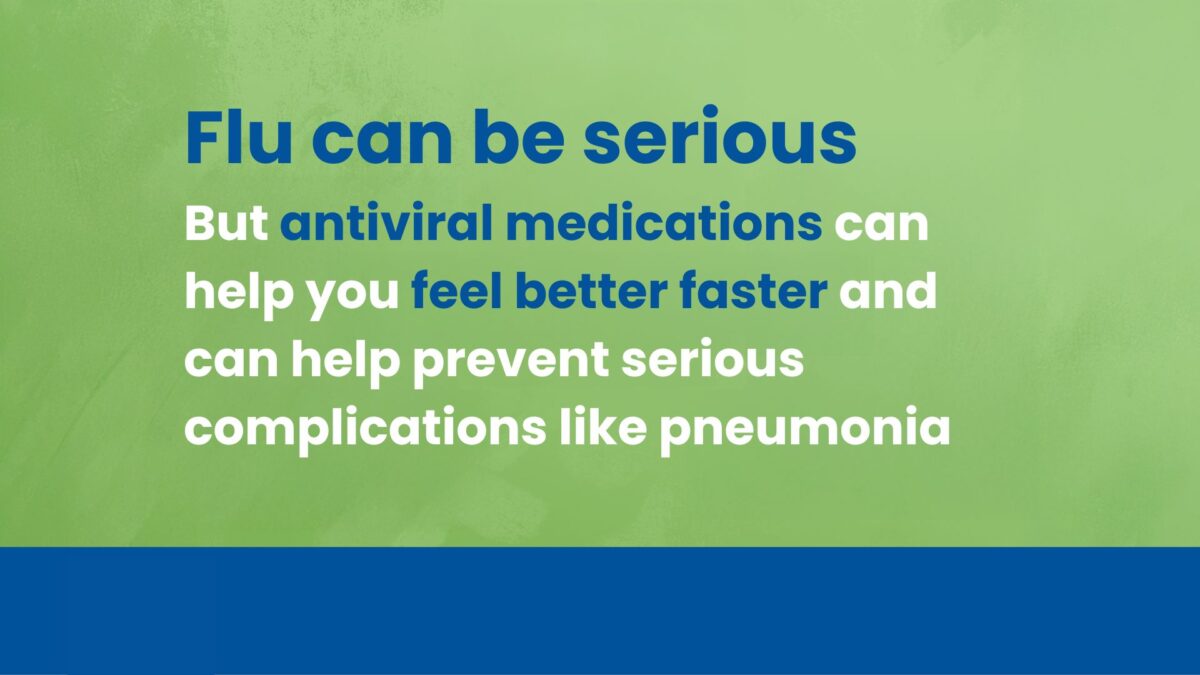
Treating Flu with Antivirals
Shareable resources to raise awareness about flu antiviral medications to help make you feel better faster, and prevent serious complications like pneumonia