flu-holder

Influenza

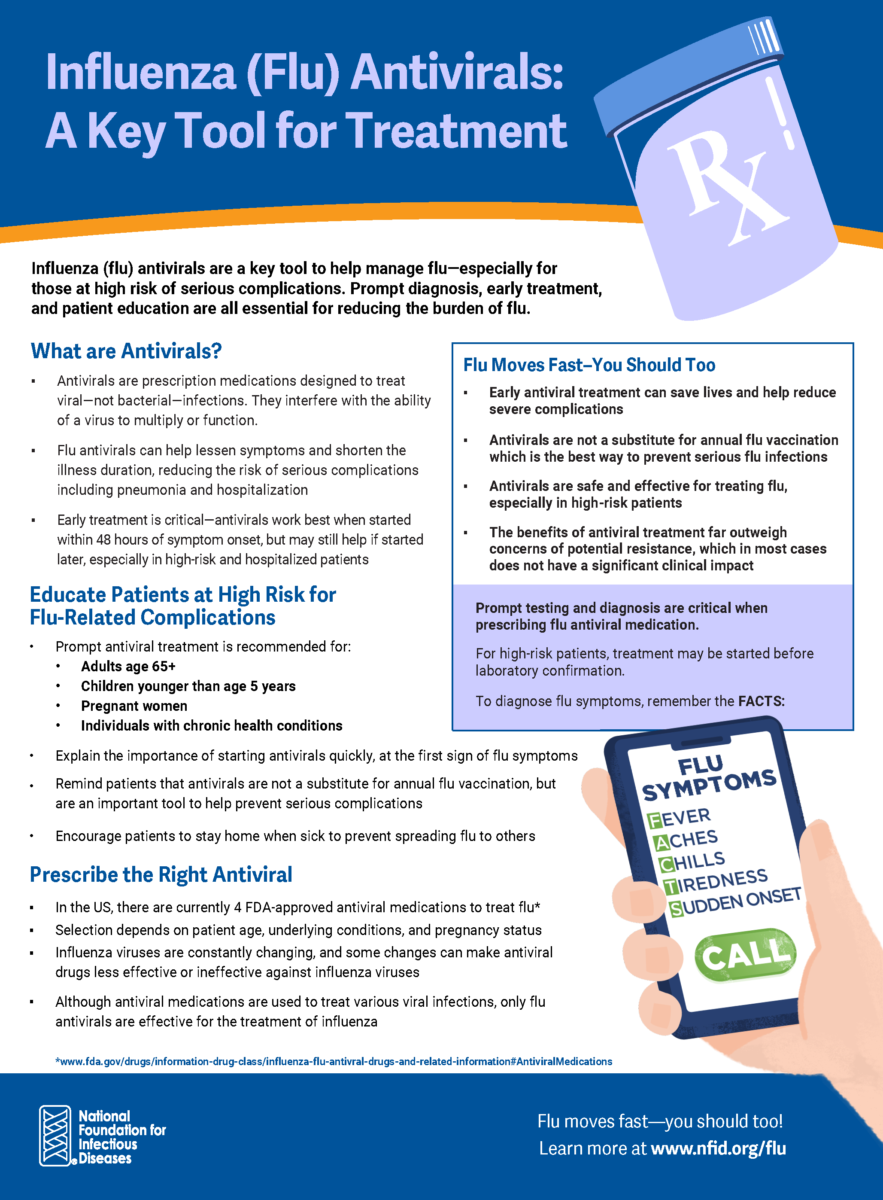
Influenza, more commonly referred to as "the flu," is a highly contagious viral infection of the nose, throat, and lungs. Influenza occurs most often in the late fall, winter, and early spring. It is a serious infection which afflicts more than 60 million individuals in the US every year.

Influenza impacts people of all ages. Common symptoms include a high fever (101ºF-102ºF) that begins suddenly, sore throat, chills, cough, headache, and muscle aches. Influenza frequently causes people to miss school and work but in some cases there are severe complications such as pneumonia. In the United States annually, more than 200,000 individuals are hospitalized and about 36,000 die from influenza-related complications.


The best way to protect against influenza is to receive an influenza vaccination every year. CDC recommends that everyone six months of age and older receive an annual vaccination. Individuals with severe hypersensitivity to eggs and those who have had a previous vaccine-associated allergic reaction should avoid immunization.


The best time to get vaccinated is in the early fall, as soon as the vaccine is available.  However, vaccination in December or even later is still beneficial because the virus that causes influenza circulates past the New Year. The number of influenza cases usually peaks around February, but this peak can come earlier or later (ranging from December to May).


NFID is committed to increasing public awareness of the importance of annual influenza vaccination. 

Learn more about influenza in adults and the vaccines to prevent it.


Resources

2011 NFID Influenza/Pneumococcal Disease News Conference

Adolescent Vaccination Call to Action: Protecting Adolescents Now and Into the Future

Call to Action - Healthcare Workers & Influenza

Childhood Influenza Immunization Coalition

Don't Be "That Guy": Remember Flu Etiquette

Expanding the Influenza Vaccination Season: A New Paradigm for Increasing Immunization Rates

Flu (Influenza) - Information for Parents

Centers for Disease Control and Prevention, American Academy of Family Physicians, and the American Academy of Pediatrics

Gripe (Influenza) - Informacion para los padres

Influenza information in Spanish for parents from the Centers for Disease Control and Prevention, American Academy of Family Physicians, and the American Academy of Pediatrics

Help Reduce the FLU@Work

Downloadable poster with simple checklist to help stop the spread of flu

Increasing Influenza Immunization Rates in Infants and Children

Leading By Example: An NFID Commitment to Influenza

Influenza - also known as flu

In-depth information from the Centers for Disease Control and Prevention, American Academy of Family Physicians, and the American Academy of Pediatrics

Making Influenza Immunization a Yearly Habit for Children

Pediatric News Commentary by Carol J. Baker, MD, January 13, 2012

NFID Influenza PSA Campaigns

Related Influenza Resources