Special thanks to Elana Kieffer Blass, MBA, of the Gerontological Society of America for this guest blog post on the importance of talking with older adults about immunization.
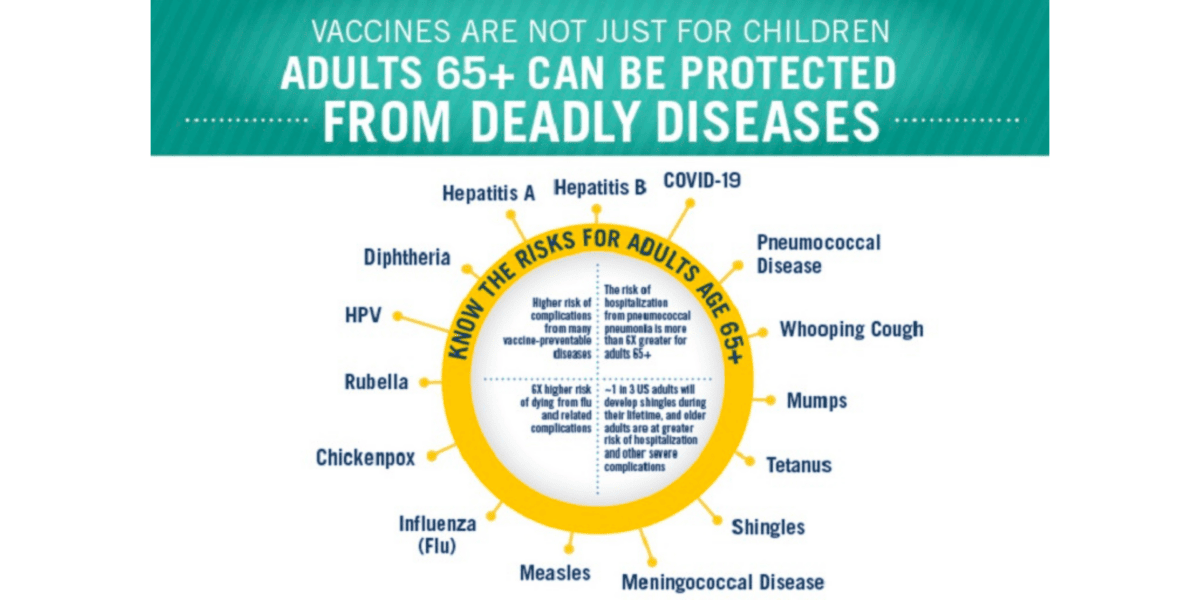
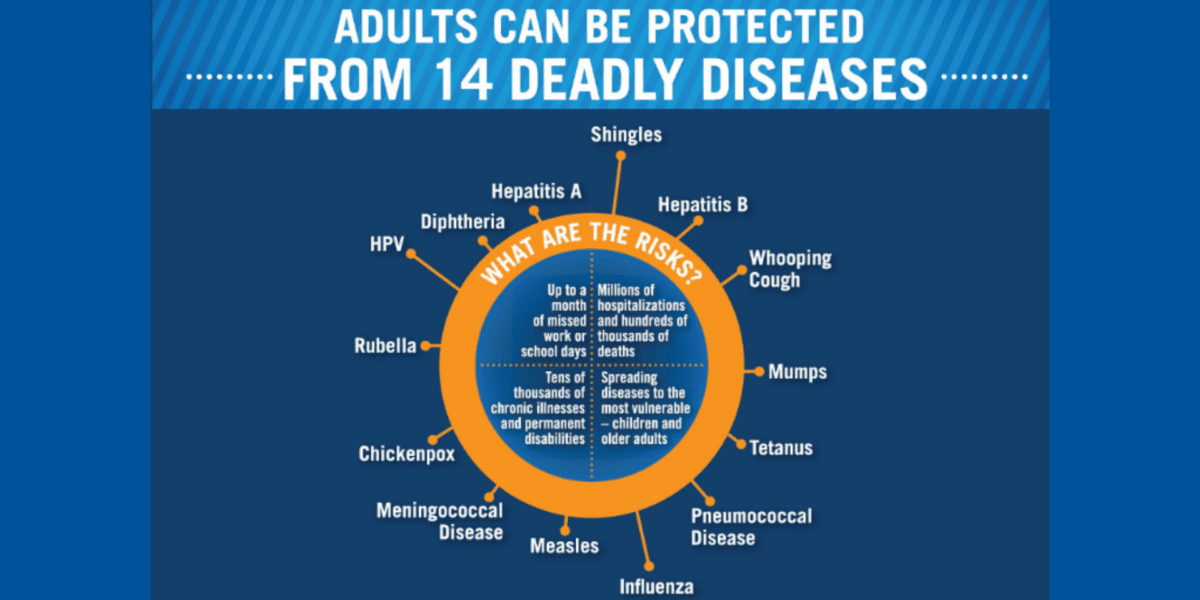
 Older adults face increased risks from vaccine-preventable diseases, including influenza (flu), respiratory syncytial virus (RSV), and pneumococcal disease (pneumonia). Yet vaccination rates among older adults have declined in recent years.
According to the Centers for Disease Control and Prevention (CDC), fewer adults age 65 and older reported getting vaccinated against flu or pneumococcal disease in 2024 compared with 2019. About 67% said they received a flu vaccine in the past year (down from 70.5% in 2019), and about 65% said they had ever received a pneumonia vaccine (down from 67% in 2019).
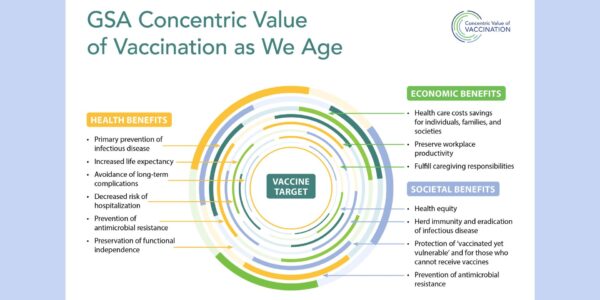
For older adults who are on the fence about getting vaccinated, the Gerontological Society of America (GSA) offers the Concentric Value of Vaccination to help healthcare professionals talk with patients about the many benefits of vaccination.
Health Benefits of Vaccines for Older Adults
Vaccines train your immune system to recognize harmful germs so it can respond quickly and prevent illness. After you get a vaccine, your body creates a “memory” of the germ, which helps protect you if you are exposed to it in the future. Because vaccines usually contain germs that are dead or weakened, they cannot cause the illness they are designed to prevent. But they do help provide strong protection.
Respiratory infections such as flu, RSV, and pneumococcal disease cause increased hospitalizations and deaths in people over age 65 compared to younger adults. Vaccines for these respiratory illnesses help reduce severe disease, prevent hospital stays, and help you maintain your independence.
Economic Benefits of Vaccination
Vaccines don’t just protect you from getting sick. They also save money for both you and society. Vaccination programs have significant public health benefits considering their costs. For every $1 spent on childhood vaccines, about $11 is saved in medical costs and lost work time.
These savings come from preventing hospitalizations, reducing the spread of disease, avoiding long-term disabilities, and allowing you to keep working and living your life rather than caring for sick family members and friends.
Why Community Immunity Matters for Older Adults
Vaccines help more than just the people who get them—they strengthen the health, stability, and well-being of your whole community. By preventing illness, they protect people who get sick easily or have weak immune systems, reduce the spread of preventable disease, and help support your families, workplaces, and the economy.
When enough people in a community are vaccinated, a preventable and contagious disease has a much harder time spreading. This is called community immunity (or herd immunity). It is especially important for:
- People who cannot get vaccinated for medical or other reasons
- People whose immune systems don’t respond strongly to vaccines (including many older adults)
When we all stay healthy, we can continue:
- Working
- Caring for family members and friends
- Volunteering
- Participating in social and community life
Vaccines help prevent the illnesses that disrupt these roles and responsibilities, making our communities stronger and more connected across generations. As one of the greatest achievements in public health, vaccines have dramatically lowered illness and death from diseases such as smallpox, polio, and rabies. With such wide-reaching health, economic, and social impacts, vaccines create value for everyone. They help you, your family, your workplace, and your community thrive.
Stay Informed
Vaccines for older adults provide powerful health, economic, and community benefits. For older adults, staying up to date on recommended flu, RSV, and pneumococcal vaccines helps prevent severe illness, reduce hospitalizations, lower healthcare costs, and protect vulnerable members of the community.
Talk with a healthcare professional about which vaccines are recommended for you or your loved ones.
To learn more about the many benefits of vaccines, read GSA’s Concentric Value of Vaccination: Intersecting Health, Economic and Societal Benefits report. For multimedia resources on the intersection of older adults and vaccines, visit www.geron.org/vaccines.
To join the conversation and get the latest news on infectious diseases:
- Like and follow NFID on social media
- Listen and subscribe to the Infectious IDeas podcast
- Subscribe to receive future NFID Updates