
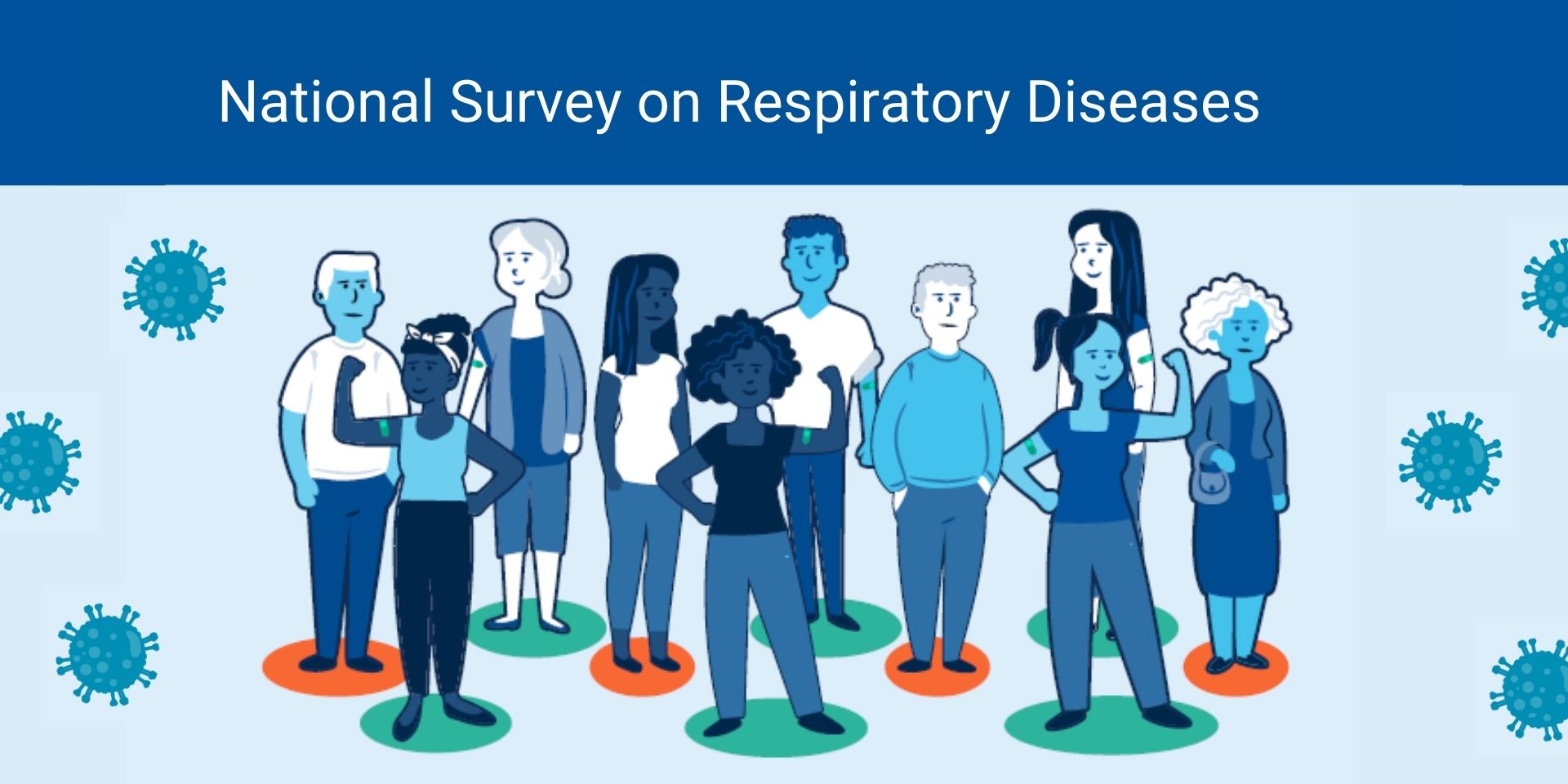
Attitudes and Behaviors on Influenza, COVID-19, RSV, and Pneumococcal Disease
The National Foundation for Infectious Diseases (NFID) commissioned an annual survey among US adults to better understand current attitudes and behaviors about influenza (flu), COVID-19, respiratory syncytial virus (RSV), and pneumococcal disease.
Introduction
The 2025 NFID National Survey on Respiratory Diseases, conducted in November 2025, assessed US adults’ attitudes and behaviors regarding vaccination for influenza (flu), COVID-19, respiratory syncytial virus (RSV), and pneumococcal disease. The survey explored vaccination uptake, public perceptions, barriers to vaccination, and trusted sources of information.
Summary of Key Results
- 45% of respondents said they have received at least one respiratory vaccine since September 2025
- Flu (34%) and COVID-19 (25%) vaccines had the highest uptake
- Pneumococcal (8%) and RSV (6%) vaccines had lower uptake
- When asked to select one option, 44% of US adults cited healthcare professionals and 13% cited the Centers for Disease Control and Prevention (CDC) as the most trusted sources for vaccine information
- Social media (15%) is the second most trusted source of information among Gen Z adults (age 18-28); and social media (13%) tied with CDC as the second most trusted source of information among adults age 18-34 – an emerging generational shift in trusted sources
- Top barriers to vaccination include concerns about side effects, lack of recommendations from healthcare professionals, doubts about efficacy, and concern about getting sick from the vaccine
- Among adults who have not received a flu vaccine this respiratory season, 16% expressed safety concerns about vaccine side effects, while 13% said they “never get sick”
- Similar patterns emerged for COVID-19, with 20% citing worries about side effects and 12% saying no healthcare professional has recommended vaccination
- For both flu and COVID-19, 12% of unvaccinated adults stated that vaccines do not work very well and 12% are concerned about getting sick from vaccines
- Nearly half of all adults (44%) found guidance on respiratory vaccinations either unclear or neither clear nor unclear.
Attitudes around Respiratory Diseases and Vaccination
- With so many mixed messages on vaccines this season, a notable percentage of US adults are reporting confusion on guidance around respiratory vaccinations
- Despite barriers and mixed guidance, 45% of adults report getting at least one respiratory vaccine this season, most often for flu and COVID-19
- Democrats (34%) are more likely than Republicans (20%) or Independents (19%) to have received an updated COVID-19 vaccine, and Democrats (41%) and Republicans (35%) are more likely than Independents (22%) to have received a flu vaccine this respiratory season
Disease-Specific Findings
Influenza (Flu)
- Vaccination Uptake: 34% of survey respondents said they have received a flu vaccine since September 2025
- Barriers to Vaccination:
- Concerns about side effects (16%)
- Saying they “never get sick” (13%)
- Doubts about vaccine efficacy (12%)
- Concerns about getting sick from vaccines (12%)
COVID-19
- Vaccination Uptake: 25% of survey respondents said they have received a COVID-19 vaccine since September 2025
- Barriers to Vaccination:
- Concerns about side effects (20%)
- Doubts about efficacy (12%)
- Lack of recommendation from a healthcare professional (12%)
- Concerns about getting sick from vaccines (12%)
- Access issues: 25% strongly or somewhat agreed they were unable to access COVID-19 vaccines in their area
Pneumococcal Disease
- Vaccination Uptake: 8% of survey respondents said they have received a pneumococcal vaccine since September 2025
- Barriers to Vaccination:
- Lack of recommendation from a healthcare professional (17%)
- Concerns about side effects (10%)
- Concerns about getting sick from vaccines (9%)
Respiratory Syncytial Virus (RSV)
- Vaccination Uptake: 6% of survey respondents said they have received an RSV vaccine since September 2025
- Barriers to Vaccination:
- Lack of recommendation from a healthcare professional (18%)
- Concerns about side effects (11%)
- Concerns about getting sick from vaccines (8%)
Trusted Sources of Information
- Healthcare professionals (44%) remain the most trusted source for accurate vaccine information, followed by CDC (13%)
- Compared to White and Hispanic respondents, Black respondents have the lowest trust in healthcare professionals (28%) as the most trusted source of accurate vaccine information, but are more likely than other groups to trust CDC (18%)
- AI tools (2%) are among the least trusted sources
Barriers to Vaccination Access
- 25% of respondents agreed that they could not access COVID-19 vaccines in their area. This number was higher among Black (32%) and Hispanic (34%) respondents.
Key Messages
Survey findings reinforce the importance of addressing misconceptions about flu, COVID-19, RSV, and pneumococcal disease, and raising awareness about the importance of prevention. Healthcare professionals, as the most trusted source of information, are best positioned to share knowledge and provide strong vaccine recommendations for their patients.
- Safe, effective vaccines are available in the US to help protect against flu, COVID-19, RSV, and pneumococcal disease
- The current respiratory vaccination guidelines are:
- Annual flu vaccination for everyone age 6 months and older
- COVID-19 vaccination for those at high risk (including young children, pregnant women, older adults, and people with chronic health conditions), and anyone age 6 months and older who wants to be vaccinated against COVID-19
- RSV vaccination for pregnant women or RSV immunization (monoclonal antibody) for infants whose mothers did not receive an RSV vaccine during pregnancy; RSV vaccination for certain adults age 50-74 and all adults age 75 and older
- Pneumococcal vaccination for children younger than age 5 years, all adults age 50 years and older, and people with certain chronic health conditions or other risk factors
- Even in cases when vaccination does not prevent infection entirely, it can reduce the duration and severity of illness and can help prevent serious complications, including hospitalization and death
- Potential side effects associated with vaccines are rare and are much less severe than the diseases they prevent
- Vaccines cannot cause the diseases they are designed to prevent.
- Flu vaccines contain either killed or weakened viruses, making it impossible to get the disease from the vaccine
- None of the COVID-19 vaccines contain the live virus that causes COVID-19
- It is safe to get a flu vaccine at the same time as a COVID-19 vaccine
- Getting vaccinated, washing hands, wearing a mask, and staying home when you are sick can help stop the spread of flu, COVID-19, and other respiratory diseases
About the Survey
The NFID survey was conducted online by Big Village from November 10-12, 2025, among a nationally representative sample of 1,015 US adults age 18 and older. Respondents were selected from a pool of volunteers for online surveys, and the data were weighted by age, sex, geographic region, race, and education to accurately reflect the US adult population based on Census data. Each respondent received a single weighting factor to ensure demographic representation, and both weighted and unweighted results are reported. As with all sample surveys, results may be subject to various sources of error, including sampling, coverage, nonresponse, and post-survey adjustments.
Key Takeaway
While flu and COVID-19 vaccines remain the most commonly received, barriers – including concerns about side effects, lack of recommendation from a healthcare professional, and doubts about efficacy – persist. Trusted guidance from healthcare professionals and CDC is critical to improving vaccination rates and public understanding.
About the National Foundation for Infectious Diseases
Founded in 1973, the National Foundation for Infectious Diseases (NFID) is a non-profit 501(c)(3) organization dedicated to educating and engaging the public, communities, and healthcare professionals about infectious diseases across the lifespan. For more information, visit www.nfid.org.
Related Resources
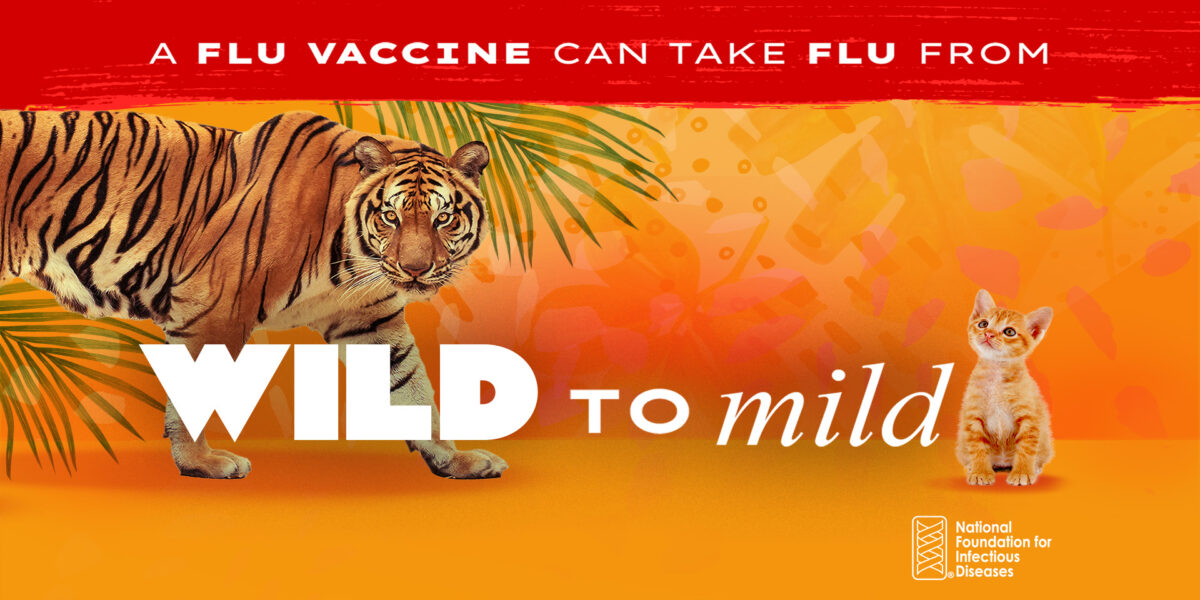
From Wild to Mild: The Power of Flu Vaccination
Shareable graphics to raise awareness about the importance of getting an annual flu vaccine to help protect against serious flu-related illness
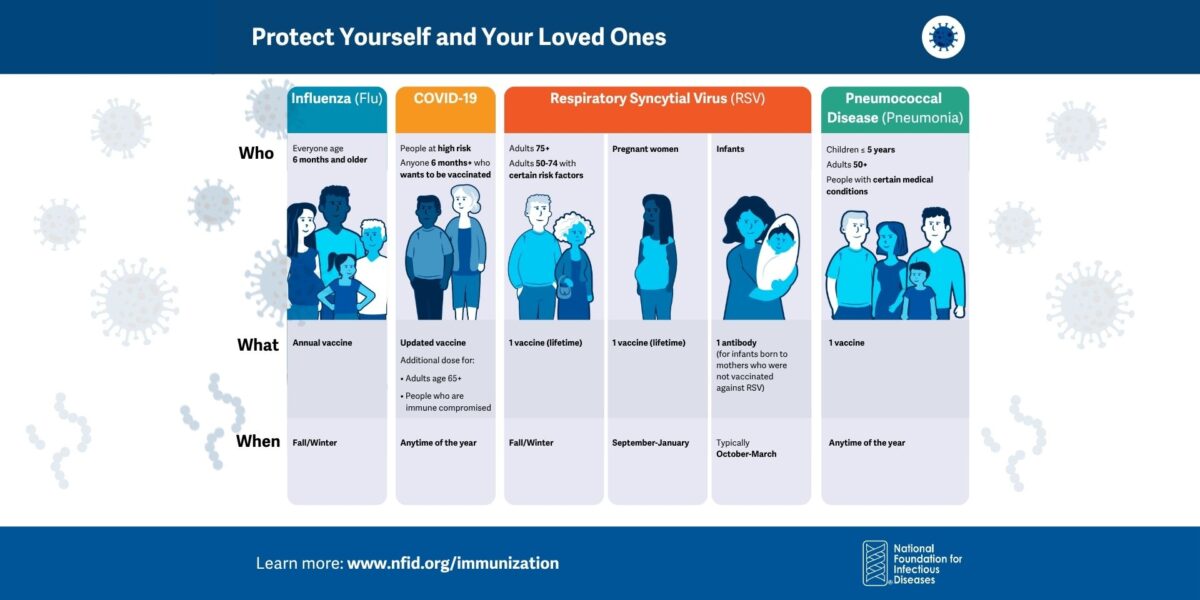
Respiratory Immunization Graphics
Graphics and sample social posts to help raise awareness about preventing COVID-19, flu, RSV, and pneumococcal disease
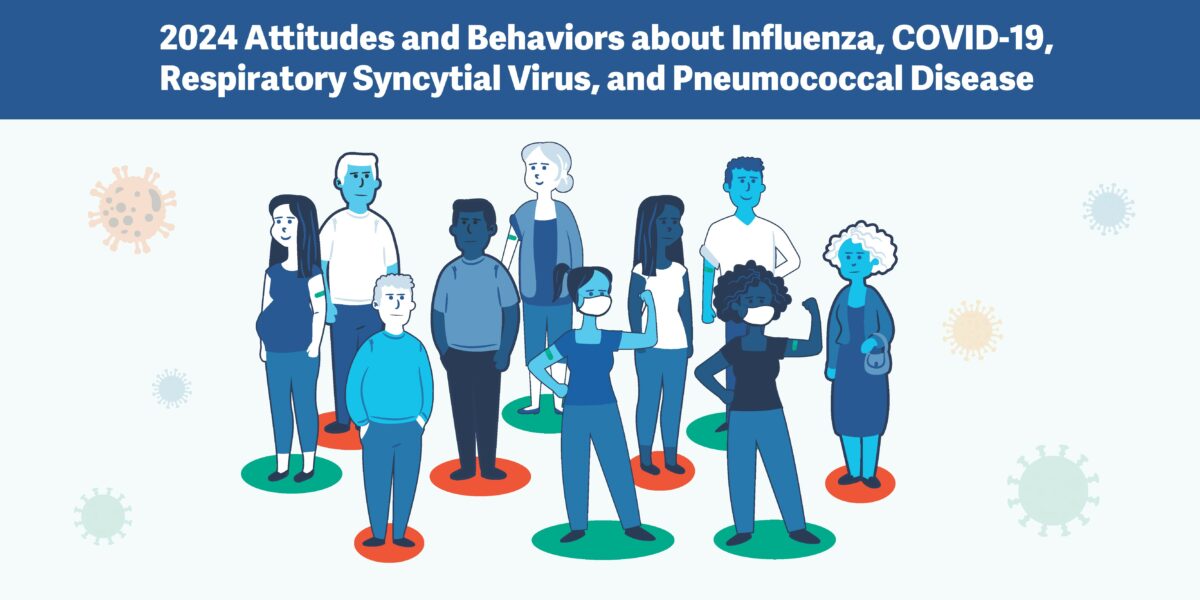
2024 National Survey: Attitudes and Behaviors about Influenza, COVID-19, Respiratory Syncytial Virus, and Pneumococcal Disease
2024 national survey on flu, RSV, COVID-19, and pneumococcal disease