
Bethesda, MD (May 2, 2019) — Despite having eliminated measles in the US more than a decade ago, the US is once again seeing record-setting cases of the vaccine-preventable disease. The National Foundation for Infectious Diseases (NFID) has experts available to talk about measles, the current outbreaks, and the importance of measles vaccination.
Measles Toolkit“No one should have to suffer from measles,” said NFID Medical Director William Schaffner, MD. “We have had a safe and effective measles vaccine for more than 40 years. After eliminating measles in the US in 2000, we appear to have turned back the clock because of low immunization rates.”
The Centers for Disease Control and Prevention (CDC) has reported more than 700 measles cases in 22 states this year—about 70 percent of them in unvaccinated individuals. This is the largest number of measles cases reported in the US since the last major outbreak in 1994.
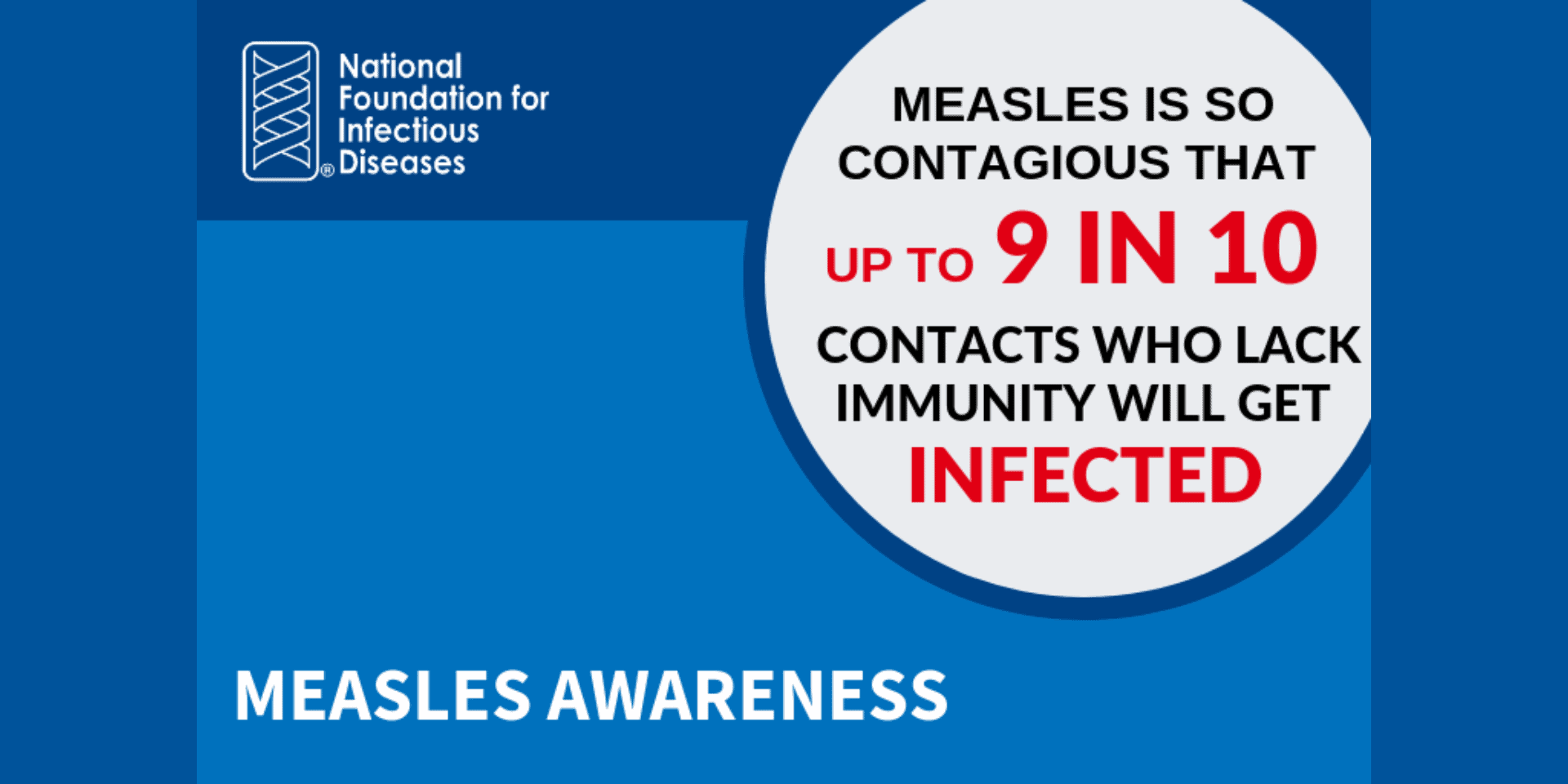
Measles is a highly infectious respiratory disease that can result in severe, sometimes permanent, complications including pneumonia, seizures (jerking and staring), brain damage, and death. Measles is highly contagious and spreads easily by contact with an infected person through coughing and sneezing. In fact, it is so contagious that if an individual has measles, nine out of 10 of their close contacts who are not immune will also become infected. Symptoms include rash, cough, runny nose, eye irritation, and fever. Infected people can spread measles to others from four days before through four days after the rash appears.
Measles can be serious:
- About one in four people in the US who get measles will be hospitalized
- One out of every 1,000 people with measles will develop brain swelling, which could lead to brain damage
- One or two out of 1,000 people with measles will die, even with the best care
Measles can be prevented by the measles, mumps, rubella (MMR) vaccine, which is recommended in the US for children, adults born in 1957 or later, international travelers, and anyone who is unsure about their vaccination status.
About the National Foundation for Infectious Diseases
Founded in 1973, the National Foundation for Infectious Diseases (NFID) is a non-profit 501(c)(3) organization dedicated to educating the public and healthcare professionals about the burden, causes, prevention, diagnosis, and treatment of infectious diseases across the lifespan. For more information, visit www.nfid.org.
Contact: Diana Olson at 301-656-0003 x140
Recent Press Releases

NFID Announces 2026-2027 Board of Directors
NFID is pleased to announce the 2026-2027 NFID Board of Directors and updated slate of officers
NFID Announces Launch of Measles Collaborative and Appointment of Executive Director
The Measles Collaborative brings together US medical societies and measles subject matter experts who are working to strengthen measles prevention, response, and education nationwide
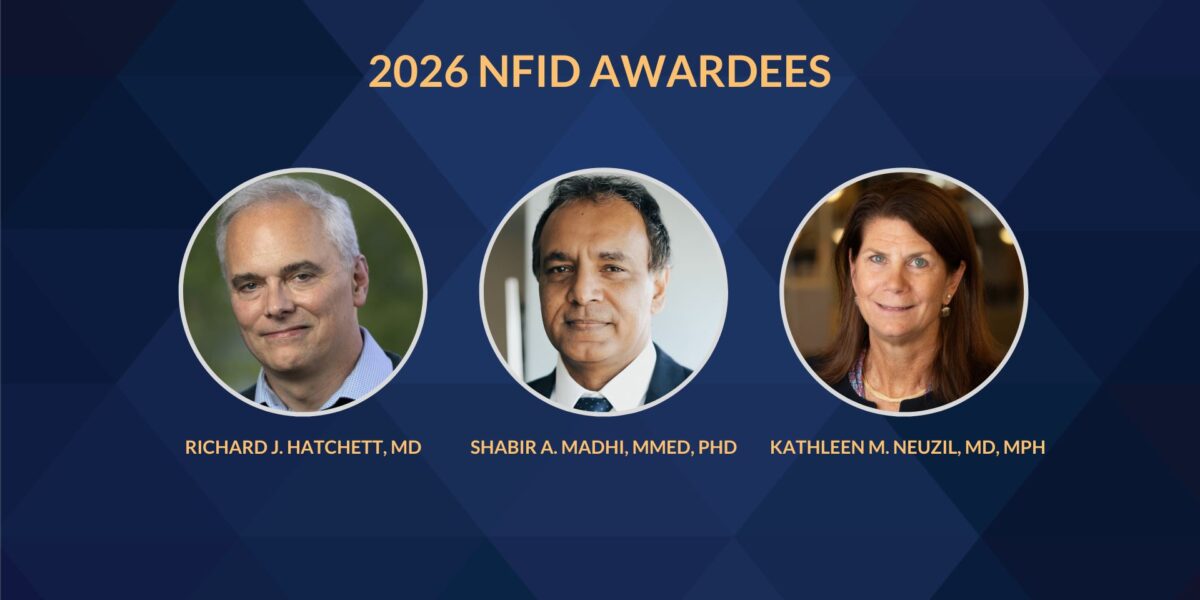
NFID Announces Recipients of Prestigious 2026 Infectious Disease Awards
Public health heroes will be honored at the NFID Awards Gala in October 2026 in Washington, DC