
A Shot of Science
Vaccines are among the most significant achievements in public health. Since 1924, childhood vaccinations have prevented more than 100 million cases of serious disease.
How Do We Know If Vaccines Are Safe and Effective?
Vaccines are one of the best tools we have for staying healthy. They prevent diseases that used to routinely sicken, disable, or even kill millions of people before vaccines were invented. Plus, getting vaccinated does more than just help keep you safe. It also helps protect your family and community. The more people get vaccinated against a disease, the harder it is for that disease to spread.
How do vaccines work?
Vaccines get your body ready to fight off a disease. They expose your immune system to a safer version of the germ that causes the illness, preparing your immune system so you will be ready to respond right away if you are exposed to the real thing.
How do we know if vaccines are safe?
Every vaccine goes through many years of study before it reaches you. At every step, scientists have to prove that the vaccine is safe and that it does what it is supposed to do.
How do we know if vaccines work?
Vaccines have tamed many diseases that used to cause widespread suffering. Here are a few examples.

- Before the polio vaccine was introduced in 1955, fear of the paralyzing disease kept people from theaters, sporting events, swimming pools, and other public places in the summer and fall "polio season."
- In the years just before the vaccine arrived, more than 16,000 people were paralyzed and more than 1,800 died of the disease annually in the United States.
- Those numbers fell quickly once vaccination was widespread. Ten years later, just 61 cases were reported. By 1991, the virus had been driven out of the entire Western Hemisphere.
- Global vaccination drives have pushed the virus to just a few corners of the world.
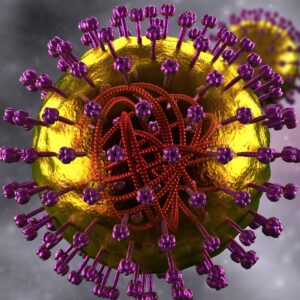
- Measles was once a nearly universal childhood disease. It was common, but not harmless: about 1 in every 1,000 people infected with measles will develop brain swelling that can lead to convulsions, deafness, brain damage, or death.
- Before a vaccine was introduced in 1963, about 500 people died of measles, and 48,000 were hospitalized each year. Afterward, cases fell by more than 95%.
- The disease was declared eliminated in the United States in 2000.
- But as fewer people have been vaccinated against the disease in recent years, the largest measles outbreaks in decades have followed, including 3 children who died in 2025.
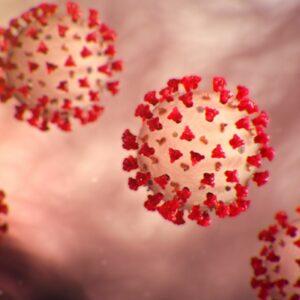
- Most recently, COVID-19 vaccines sped up the end of the most serious global pandemic since 1918.
- A study in The Lancet Infectious Diseases estimates that the vaccine saved nearly 20 million lives worldwide in its first year.
- COVID-19 vaccination saves lives even if people still get the disease: CDC research found that vaccinated people who developed COVID-19 were at least 90% less likely to need a ventilator or die.
Why do medical organizations continue to recommend vaccines?
Decades of scientific research and real-world experience have shown that vaccines are safe and effective. Few inventions can match their record for preventing suffering, disability, and death. While nothing in medicine (or life) is completely risk-free, a vaccine's benefits must greatly outweigh the risk of side effects for it to be approved. That's why health experts agree: Getting vaccinated is one of the best things you can do to help keep yourself, your family, and your community healthy.
Reviewed February 2026
Sources: American Academy of Pediatrics, Centers for Disease Control and Prevention, Food and Drug Administration, World Health Organization
Related Resources
2025 National Survey on Respiratory Diseases
The 2025 national survey examines attitudes and behaviors regarding flu, RSV, COVID-19, and pneumococcal disease.
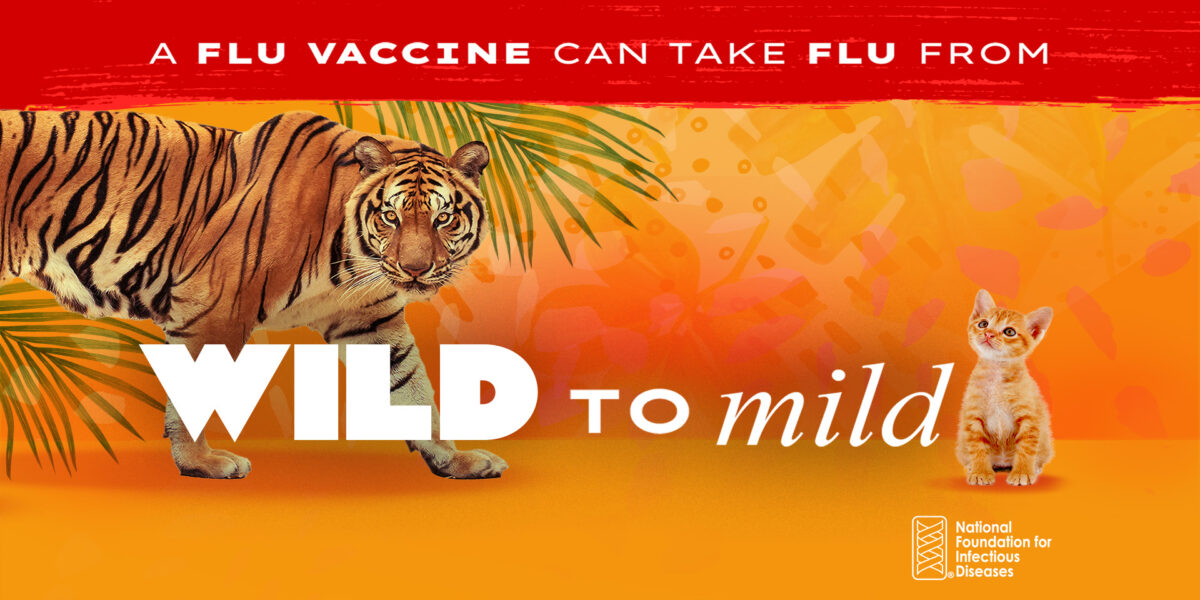
From Wild to Mild: The Power of Flu Vaccination
Shareable graphics to raise awareness about the importance of getting an annual flu vaccine to help protect against serious flu-related illness